 Liviu Marcus
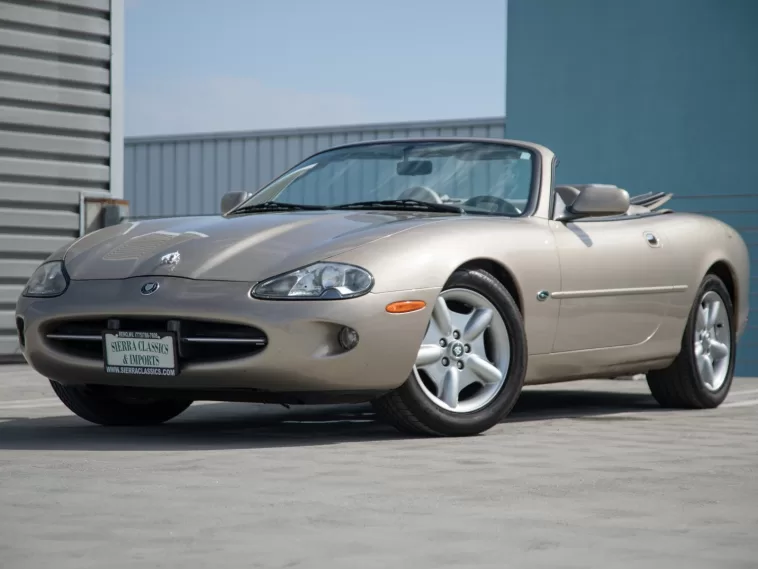
When it’s time for you to buy a car, whether it’s your first or your next, your first port of call is quite clearly going to be the second-hand market. The value of a vehicle depreciates significantly during its first year on the road, so buying second-hand is a no-brainer for saving a significant amount of money – but buying second-hand is more of a commitment than it may first seem.
The second-hand market also presents you with the potential for risk. If you don’t know quite what to look out for, you run the risk of being saddled with a useless vehicle that costs more to fix than you saved in the first place. When demand for used cars is higher than ever in the UK, and with prices still negatively influenced by recent supply chain pressures, it’s more important than ever that you approach the car-buying process with a healthy level of apprehension – and with a decent level of prior research to boot.
Research the Car’s History Before You View It
Knowledge is everything when it comes to buying used – and this applies specifically, as well as broadly. When considering a specific vehicle, you need to be able to trace its history in order to make an informed purchase. This means checking its MOT history, asking to view the V5C logbook, and encouraging honesty from the seller with respect to prior condition.
These checks can reveal hidden issues or past problems that may affect the safety or value of the car. If you’re not confident undertaking this research yourself, there are services that offer an independent vehicle inspection, which goes beyond looking at MOT history – and can provide extra and expert reassurance in the process, before you commit to a purchase.
Know the Red Flags When Viewing and Test Driving
When it comes time to view a prospective purchase in person, it’s important that you know exactly what you’re looking for in terms of condition. There are some common warning signs that indicate deeper issues, uneven tyre wear and dashboard warning lights being chief amongst them. Make sure you can at least hear the engine idling on your first viewing, if not experience the vehicle as a test drive; doing so will reveal unusual engine noises that could foreshadow worse things to come.
Budget for More Than Just the Purchase Price
Here, an uncomfortable truth; when you’re buying used, you’re paying more than the purchase price. Vehicles come with a whole-life cost, comprising a wide variety of ancillary and legally-required expenses from insurance and road tax to servicing, repairs and potential future maintenance.
These costs aren’t fixed across the pantheon of used cars on offer, either. Some are notoriously more prone to breakdowns than others, and some are much more reliable over time. Insurance companies also use make and model as an evaluating criterion for insurance prices, so certain cars could cause a significant bump in monthly insurance costs. This is why factoring in running costs and insurance checks is key before making a final decision.