
 Liviu Marcus
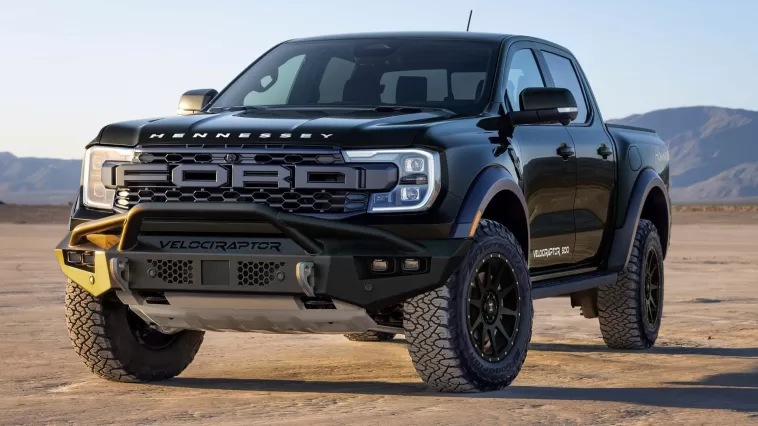
It is no longer all about transportation to own a truck that has seen past the 100,000 mile mark. It is a mark of pride that you realize there is value, consistency, and the type of relationship that can be developed between a driver and a machine that does not give up. However, the maintenance of a high-mileage workhorse to keep it in good operation takes a different strategy compared to that of a newer car.
The reality of the situation is that with proper maintenance, most trucks can go much beyond 200,000 miles lifetime. The crucial step there is proper. As your odometer climbs, your truck needs more attention to detail and a proactive mindset that catches small issues before they become expensive problems.
Table of Contents
Understanding Your Truck’s New Normal
The trucks with high mileage do not communicate the same as they did initially. The fact that it hesitates a bit on cold starts, the slightest possible vibration at highway speeds, the transmission that requires an extra second to shift are messages to be listened to. They do not always mean that you are about to meet your end, but they are what your truck is saying to you it needs a little bit of extra maintenance.
The first step would be to accept that fluids now are your best friends. The frequency of engine oil changes should increase to say every 3,000 to 5,000 miles based on the conditions in which you drive. They include transmission fluid, differential fluid, coolant, and brake fluid. New fluids are cheap insurance against disastrous failures that can cost thousands of dollars to remedy.
The Inspection Ritual
The creation of an inspection ritual that you will follow weekly will make sure that you will not suffer the inconveniences of roadside accidents and the expenses of repairing your car. Purposefully walk around your truck. Check pavement by looking at the spots of fluids at parking. Measure tire pressure and depth of treads. Start the engine and listen to strange sounds. Even a five-minute check-up can tell whether there are any leaks, fading-belts, or a defective part before it puts you in a jam.
Be careful of the undercarriage of your truck. Decades of use on the road, salt and gravel, and the weather all take their toll on the brake lines, frame integrity, etc. If you haven’t already, consider finding a trusted truck spray on bedliner dealer who can protect exposed metal surfaces. The technology used to secure the truck bed can be used on the undercarriage parts that provide a strong shield against rust and corrosion, which is a killer of high-mileage vehicles.
The Cooling System Deserves Respect
The harder your cooling system labors, the more miles you get. Hoses made of rubber are brittle, radiators clog up, and water pumps are exhausted. To eliminate the corrosion and maintain adequate heat transfer, it is necessary to flush the cooling system even after 30,000 miles. Change hoses as soon as they start cracking or becoming soft. A broken hose will ruin an engine in minutes making a twenty-dollar component a five-thousand-dollar error.
The identical consideration is true of your heater core. When you smell something sweet in the cabin or suspect that your windshield is fogging with an oily film, then do something. The fact that a leaking heater core will not only keep you cold during the winter, but will also lose coolant, and may even damage the engine.
Suspension and Steering Need Love
High mileage implies deteriorated bushings, frail steering components, and steering shocks. These wear products do not only influence comfort, but also safety and tire life. When your truck is drifting in the highway or when the steering is loose, then your truck needs to be checked. Installing new parts of your suspension turns the way your truck drives as well as can actually save on fuel consumption by ensuring that things work correctly and that there is less resistance to rolling.
And do not forget about your truck bed when you use it in the workplace. Application of a good bedliner to the bed will increase the life span of the hauling ability of your truck. The benefit of having a seasoned truck spray on bedliner dealer when researching is that the application will be done professionally and will be capable of dealing with the high-mileage trucks that will be used heavily.
The Engine’s Secret Needs
Your engine requires additional care besides an oil change as the miles accumulate. The spark plugs, ignition coils, and fuel injectors all have limited life. The modern truck has the capacity to travel 100000 miles with the use of spark plugs, although this should not be taken to extremes. New injection plugs and clean injectors enhance fuel economy, regain lost power, and eliminate engine damage caused by misfires.
Think of cleaning the fuel system on a regular basis. Quality additives eliminate the carbon deposits, which build up with years of operation. Certain long-haul truck drivers are avid believers in the periodic use of oil additives, which are meant to block oil consumption and restore compression in the aged engines. They do not make miracles, but can prolong the life of the engine under the condition of proper use.
Documentation Equals Value
Record carefully all repairs, services, and upgrades. This habit accomplishes two goals. First, it allows you to follow trends and anticipate when something will require changing. Second, it dramatically boosts the resale value. A truck that has a history of well-maintained records of its maintenance is worth far more than a truck that has no history of that kind, even when the two trucks are exactly the same.
The Long Game Mindset
Being a successful owner of a high-mileage truck is the same as long-term thinking. This repair cost now of $200 is a saving of a $2,000 failure later. Routine maintenance is not a cost, it is an investment in further dependable service. It has been found out by many truck owners that properly maintained trucks can last them 300,000 miles or longer and offer transport to them at a fraction of the price involved in buying new vehicles all the time.
Your high-mileage truck has already proven its worth. Under the caring, respectful, and regular attention, it will serve you for many years to come. The number of miles does not count much, but the treatment you give to each one of them does.