 Eduard Huma
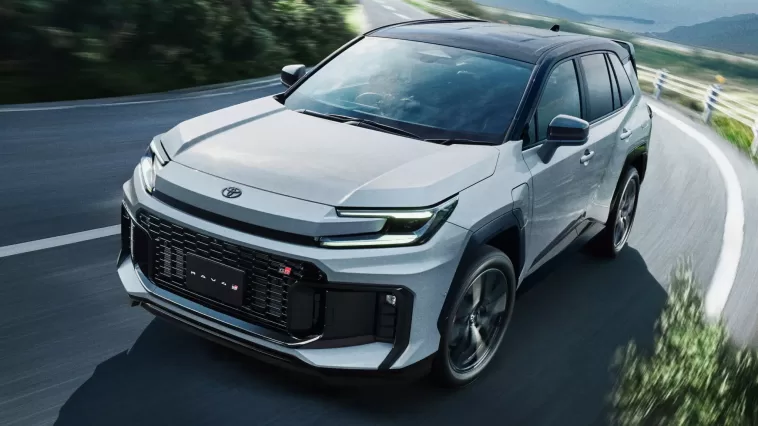
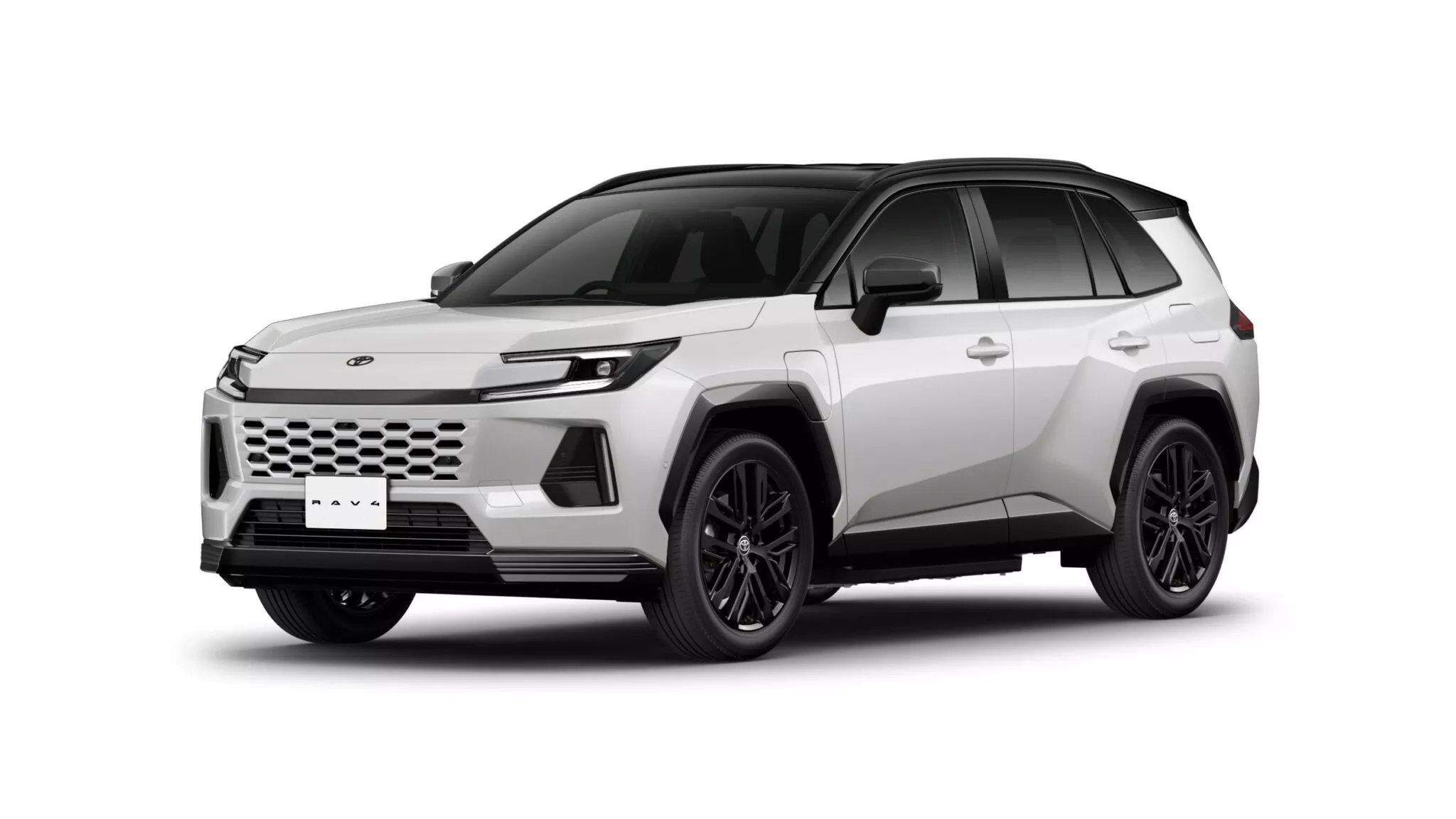
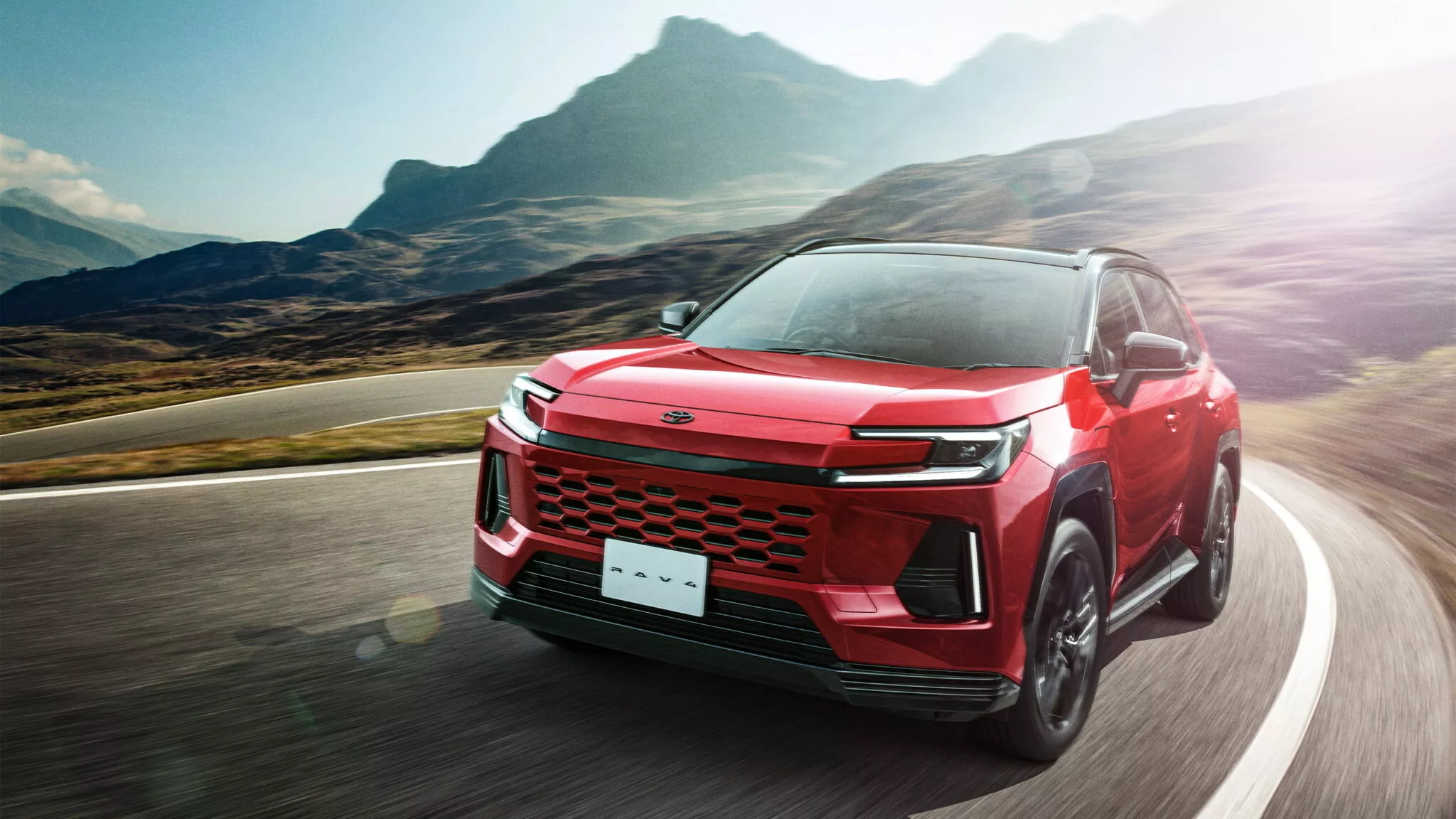
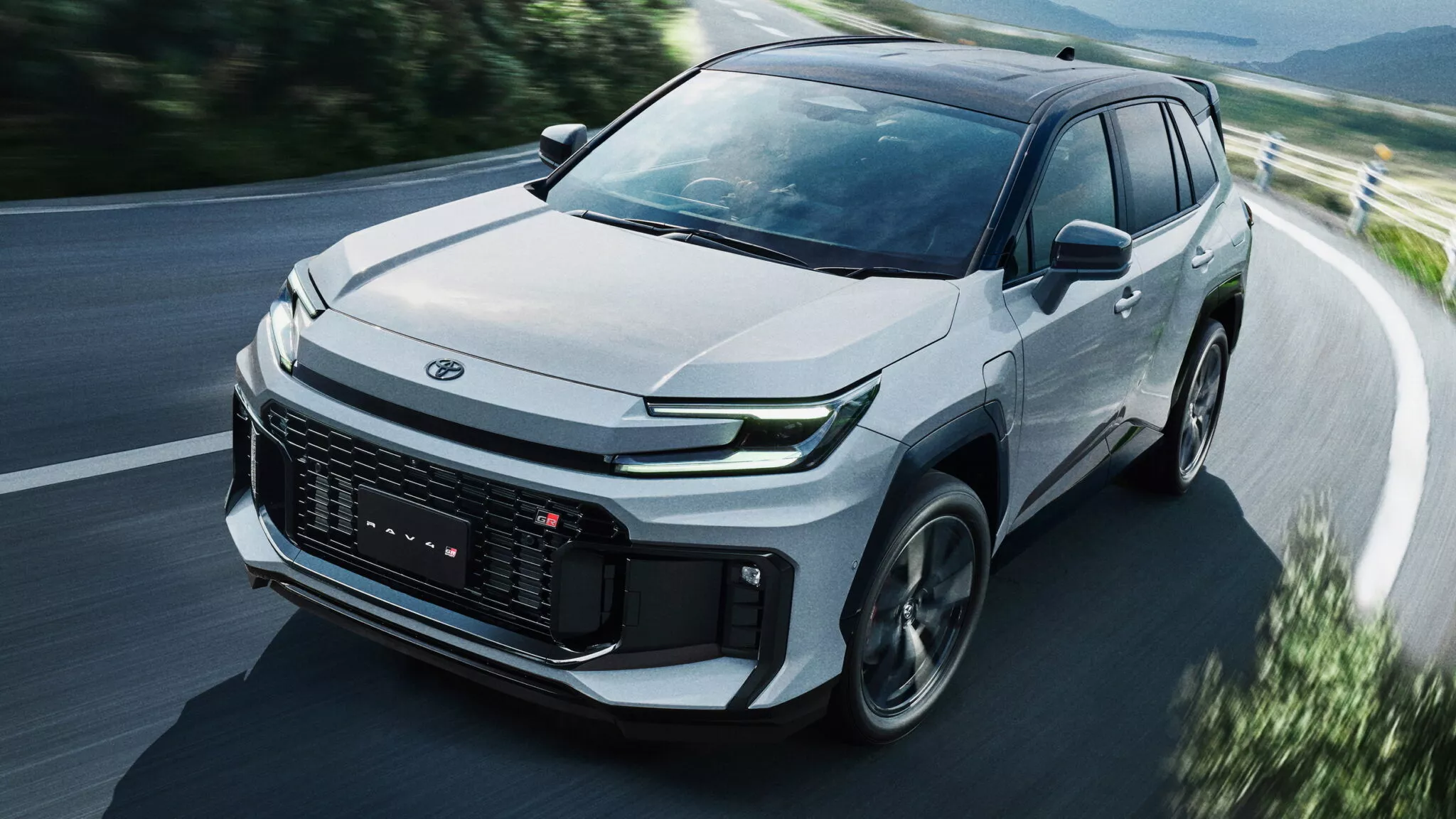
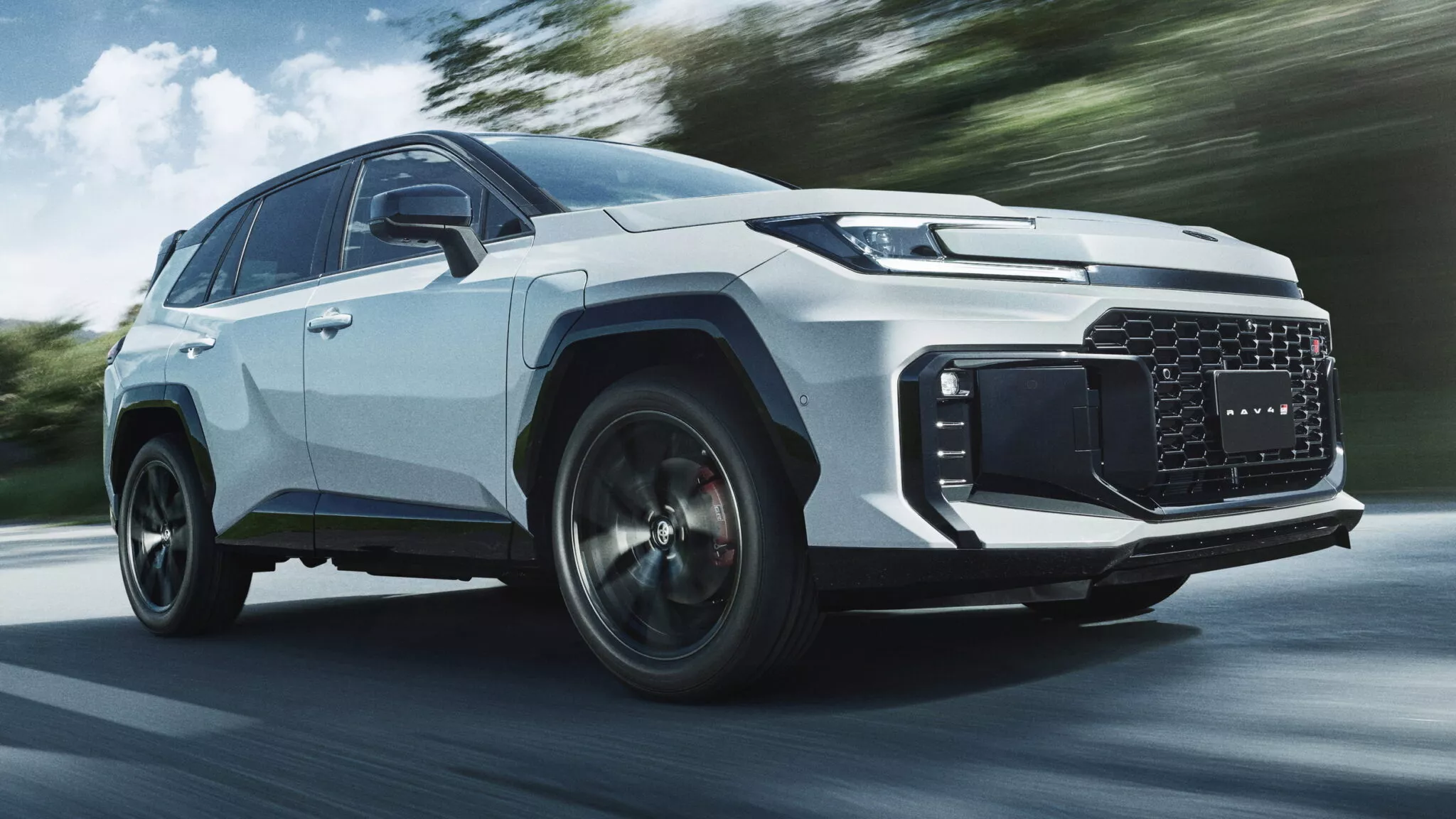
Toyota has introduced something rather unusual for its home market. The Japanese-market RAV4 Plug-In Hybrid now features what the company calls an “HV power supply” mode, essentially a vehicle-to-load and vehicle-to-home system bundled into one. In simple terms, the SUV can send electricity back out, not just store it.
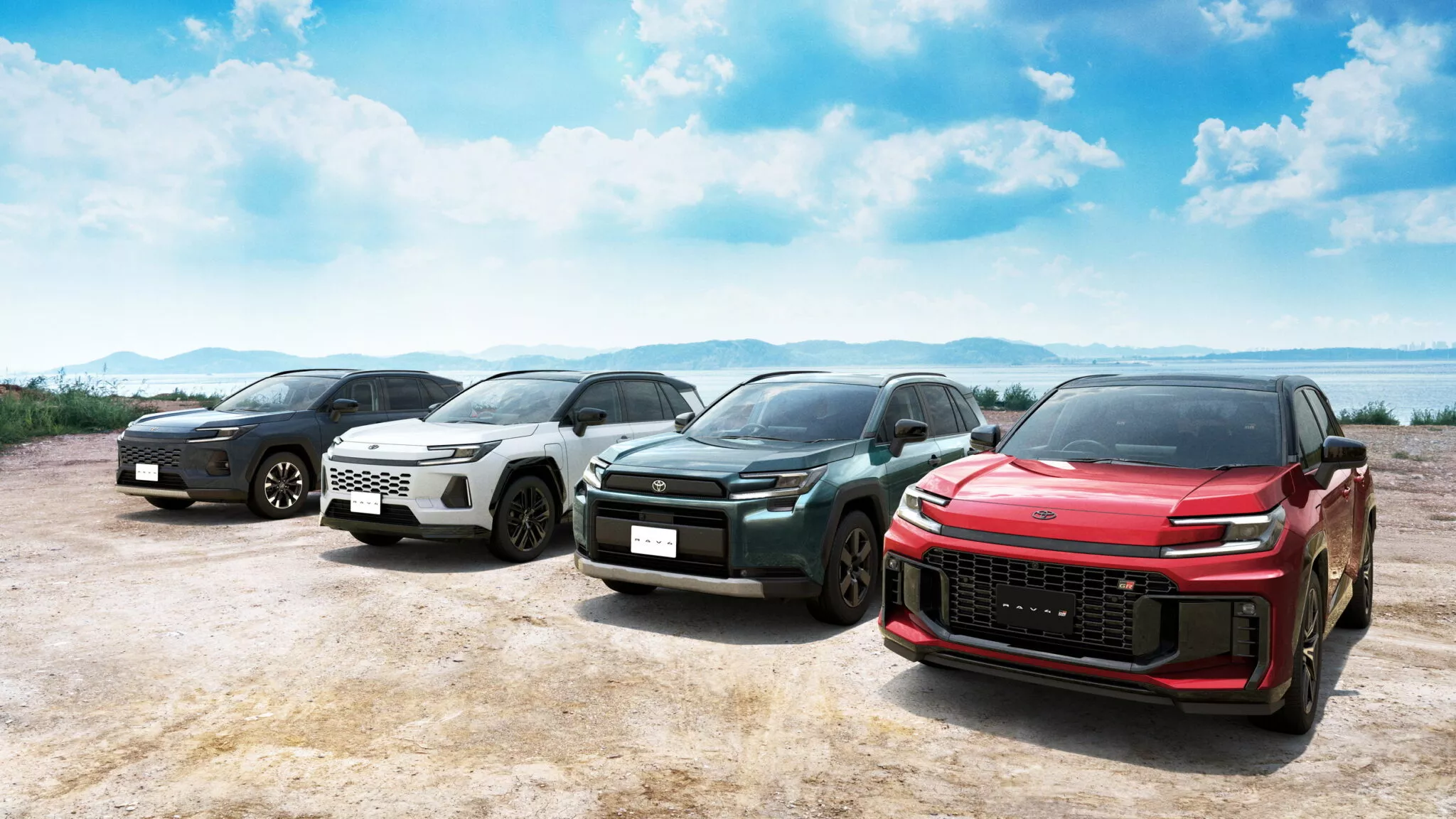
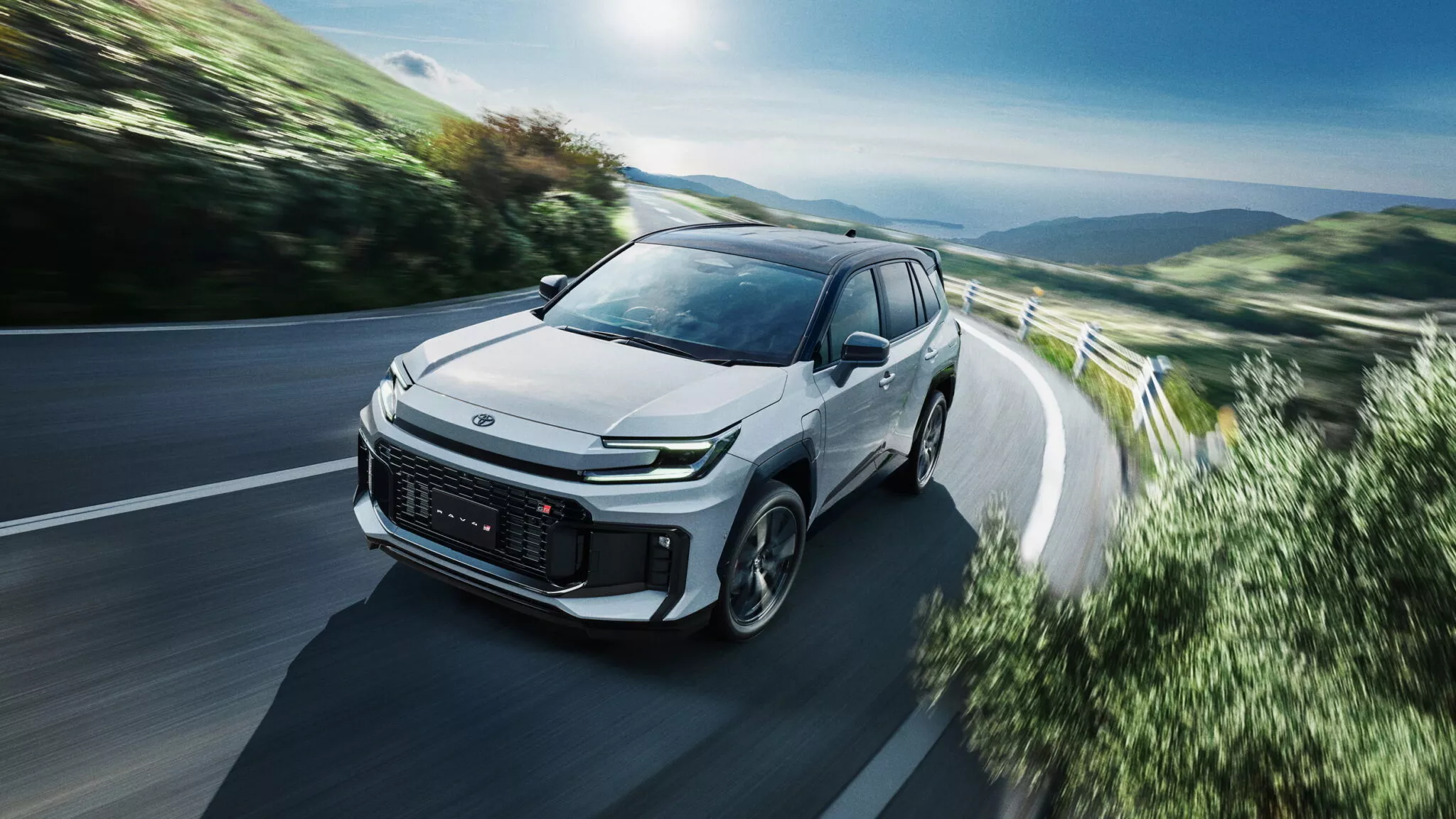
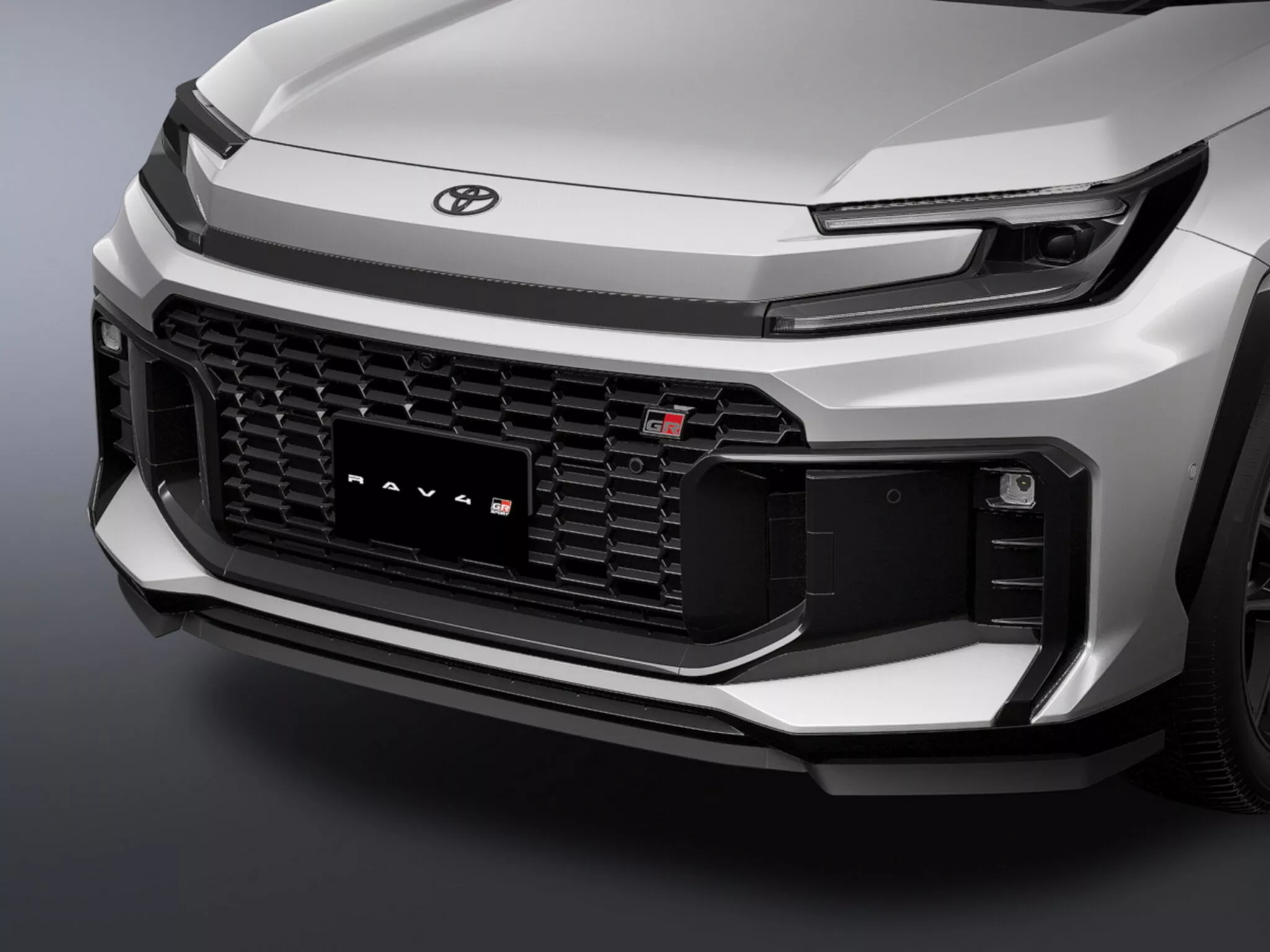
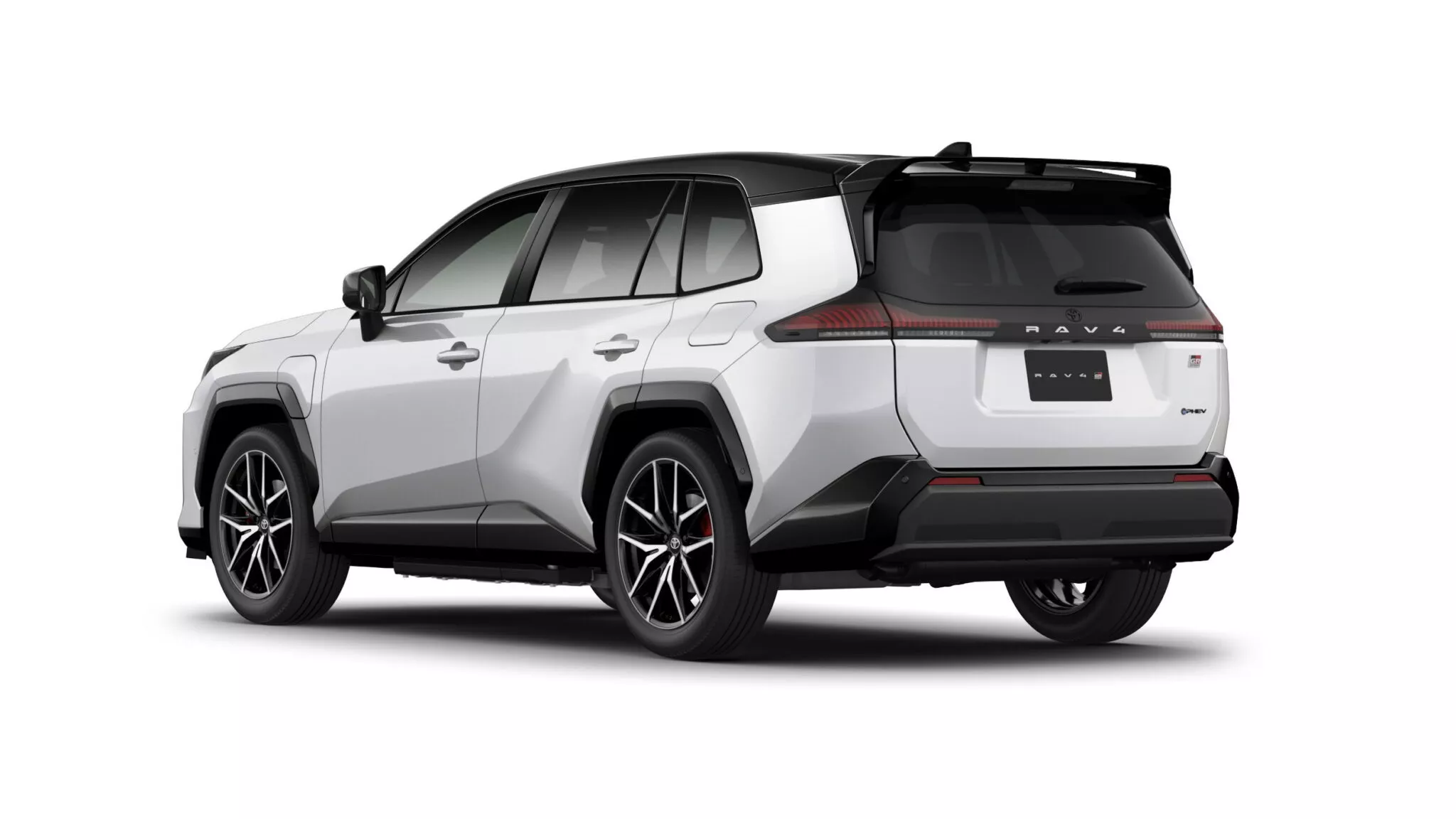
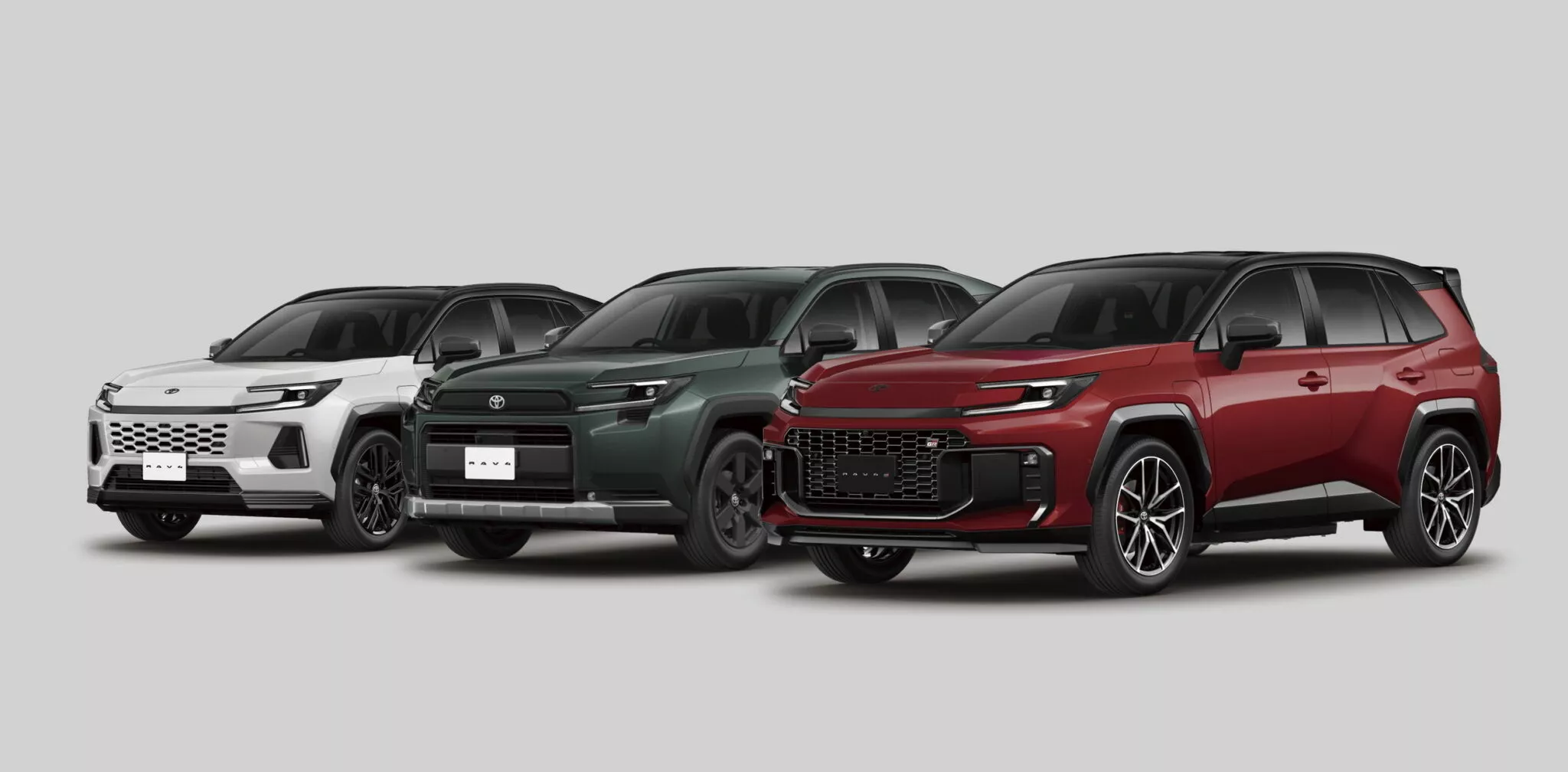
In Japan, the new model will be offered in Z and GR Sport trims, with production to be limited to 700 units per month. The Adventure trim will firmly remain a hybrid-only version. There is also a feature the company introduced alongside pricing and local specifications, and that is the ability to power a home for days at a time; this turns the attention away from just a simple efficiency figure towards something far more practical.
Complete Powertrain Information
The gross capacity of the RAV4 Plug-In Hybrid battery is 25.9 kWh, and the available energy is 22 kWh. Such an amount is significant, as it is equivalent to the gross capacity of the typical A5 plug-in hybrid, but the usable volume in this case is a bit higher than in the A5 with 20.7 kWh.
Through the HV power supply system, the new RAV4 can deliver up to 1.5 kilowatts of power to a home. It does so via a 100-volt outlet, which is the standard in Japan. For comparison, outlets in the United States typically operate at 120 volts.
One of the more distinctive additions is the “Power Supply Time Priority Mode.” According to Toyota, it coordinates the battery and combustion engine to provide electricity to a home for up to seven days. In regular “Power Supply Mode,” it can deliver 6.5 days at a constant 400W load, provided the vehicle begins with a fully charged battery and a full tank of fuel.
Other Specifications
In the United States, Toyota markets a number of editions of the RAV4 Plug-In Hybrid, such as the Woodland, the XSE, and the GR Sport, which are all powered by plug-in hybrid. Several models of the RAV4 PHEV will also be made available in Japan. Nevertheless, Toyota never stated that the HV power supply feature would be provided on the US-specification model.
That said, the company confirmed it will introduce a V2H function on the new Highlander EV when it launches later this year. Details regarding the Highlander’s V2H setup remain unknown.
Conclusion
The Japanese 2026 RAV4 Plug-In Hybrid is no longer just a means of transportation. With its HV power supply mode, it steps into the role of an emergency backup system, capable of sustaining a household for nearly a week under modest usage. Whether that feature eventually reaches other markets is unclear, but in Japan, Toyota is clearly positioning the RAV4 PHEV as something more than a plug-in crossover.
2026 Toyota RAV4 Plug-In Hybrid Video Highlights
2026 Toyota RAV4 Plug-In Hybrid – Photo Gallery