 Eduard Huma
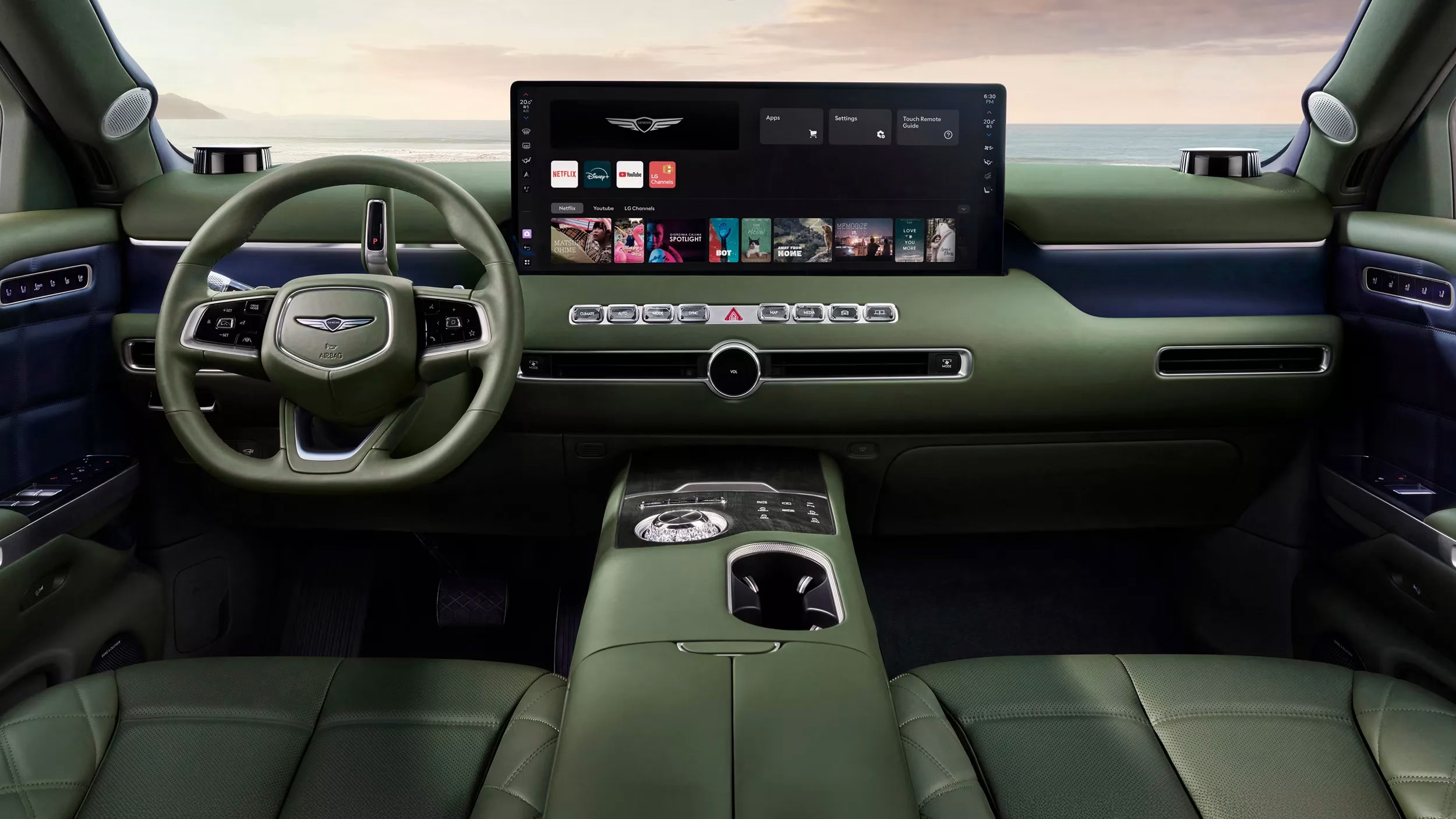
Screens have become unavoidable in expensive cars. Bigger screens, passenger screens, displays stretching across dashboards — if a new luxury SUV doesn’t have several of them, somebody in the product-planning department apparently starts getting nervous.
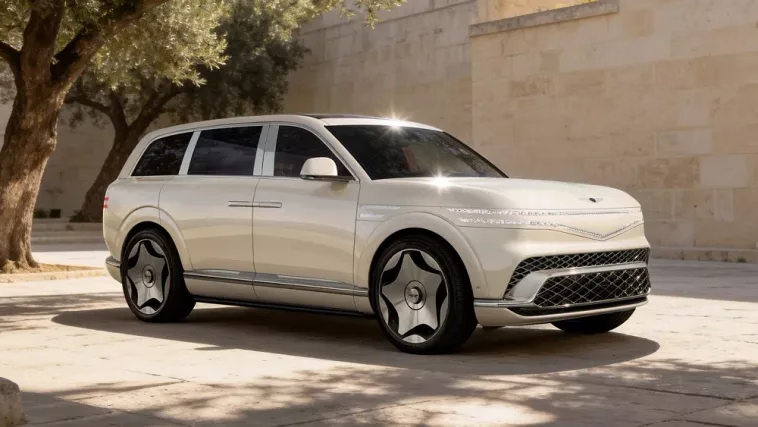
Genesis has taken a slightly different route with the GV90.
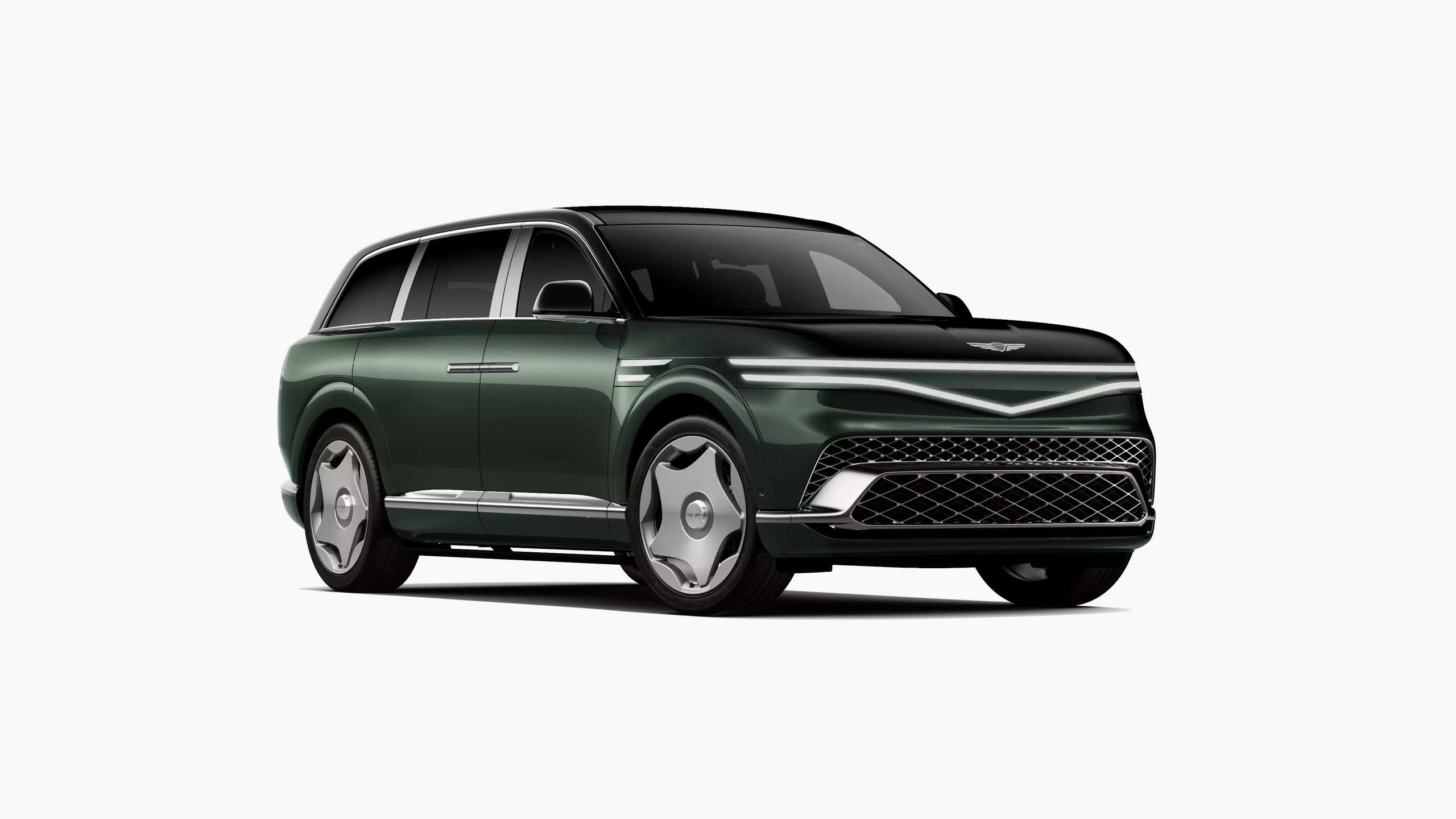
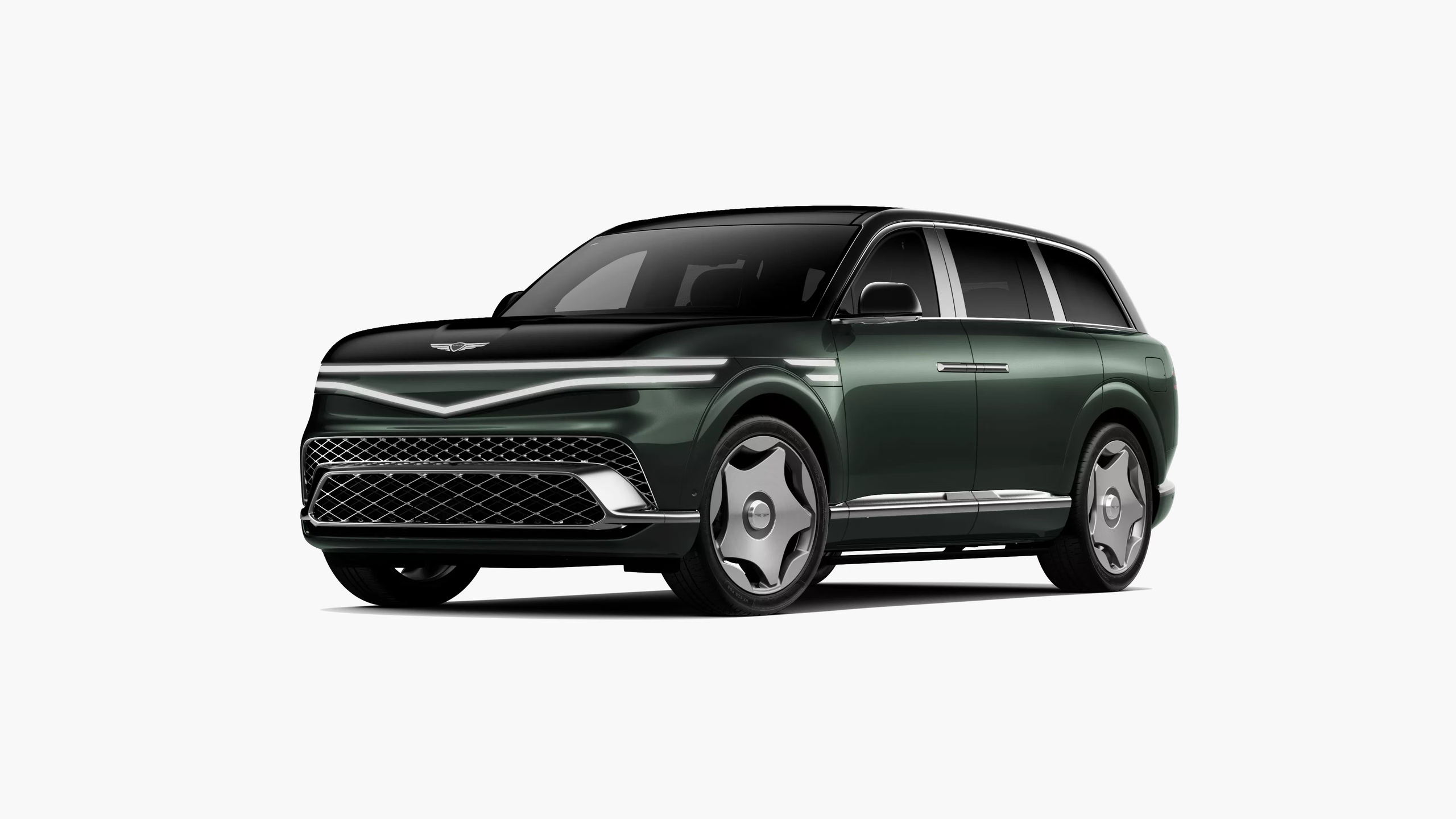
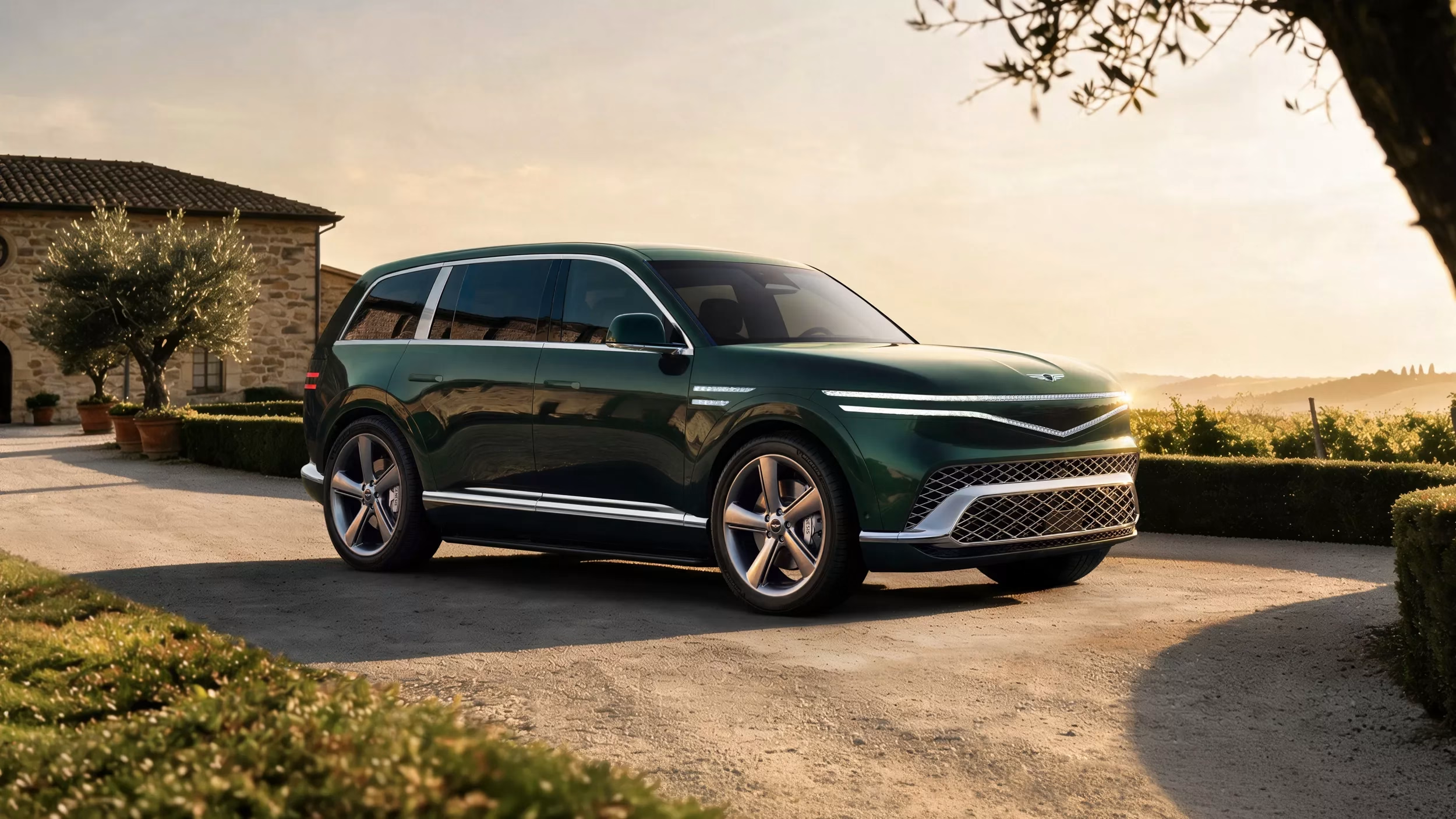
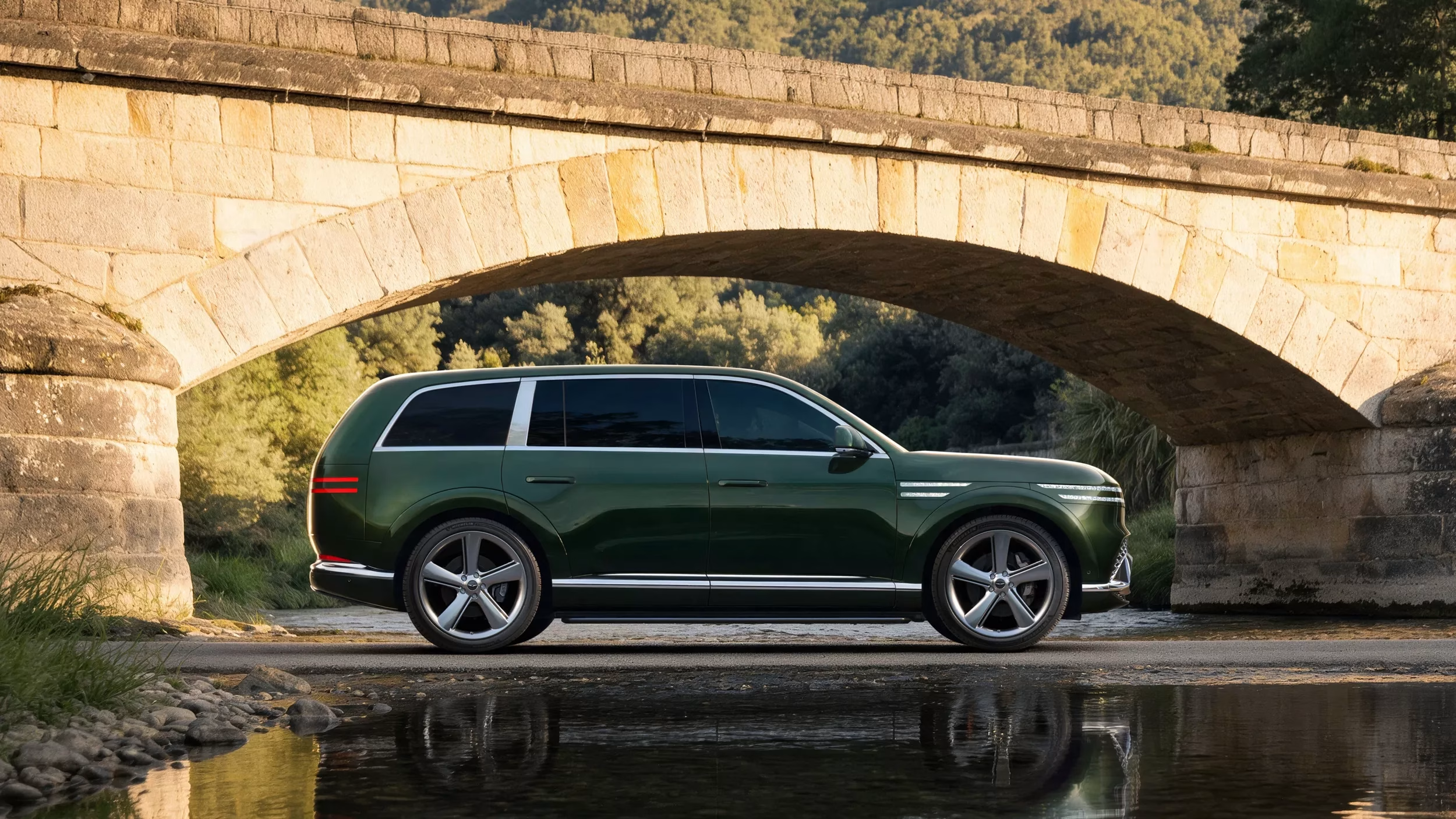
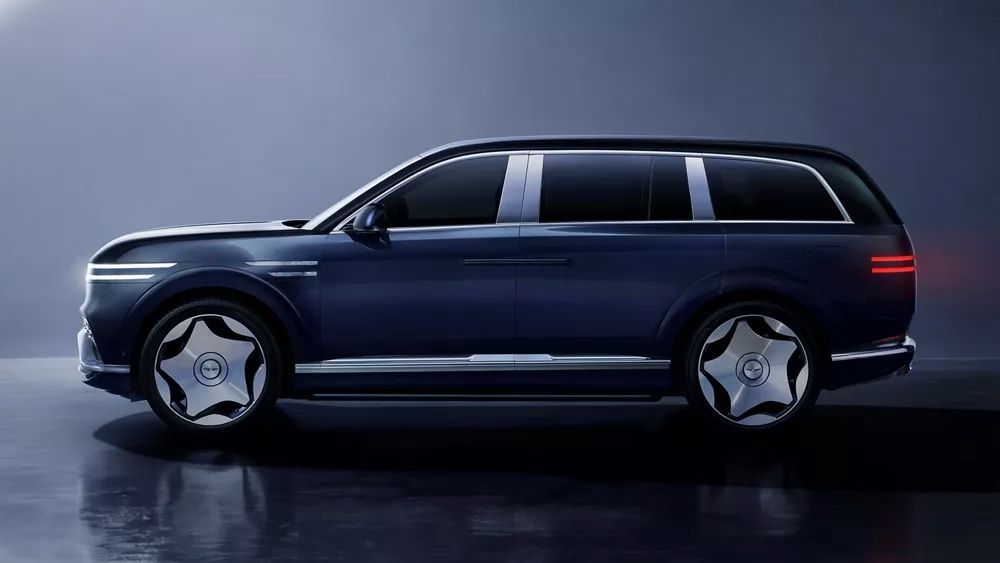
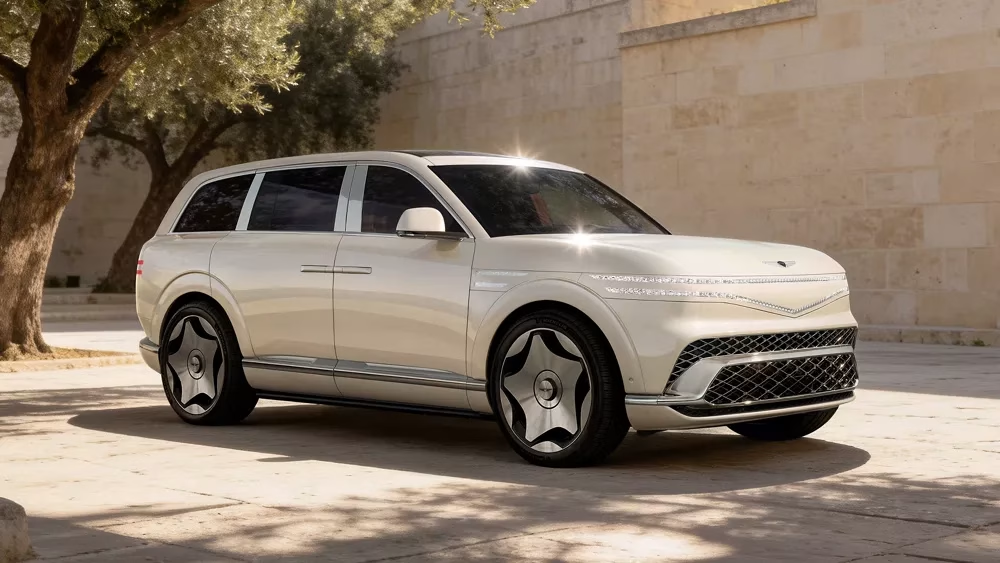
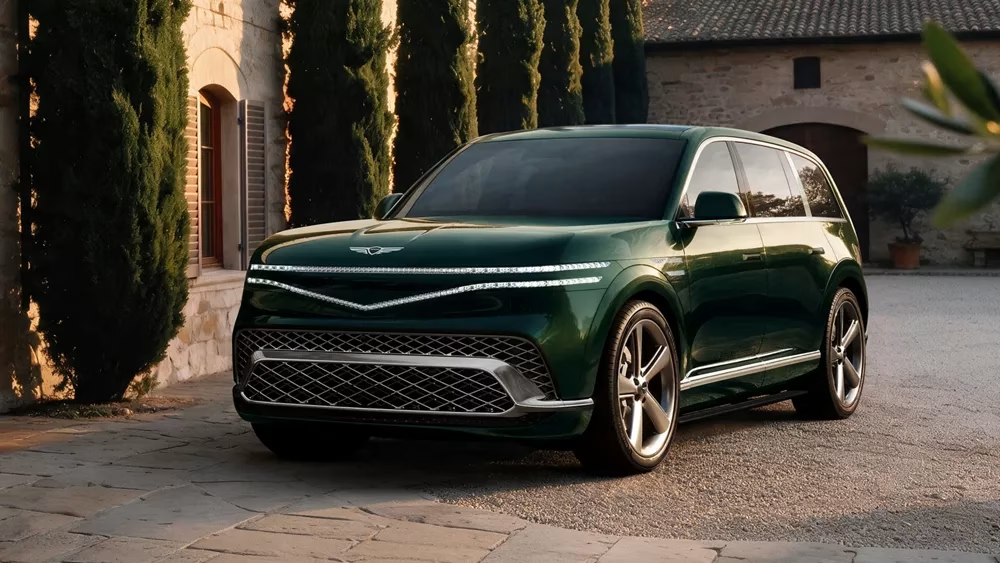
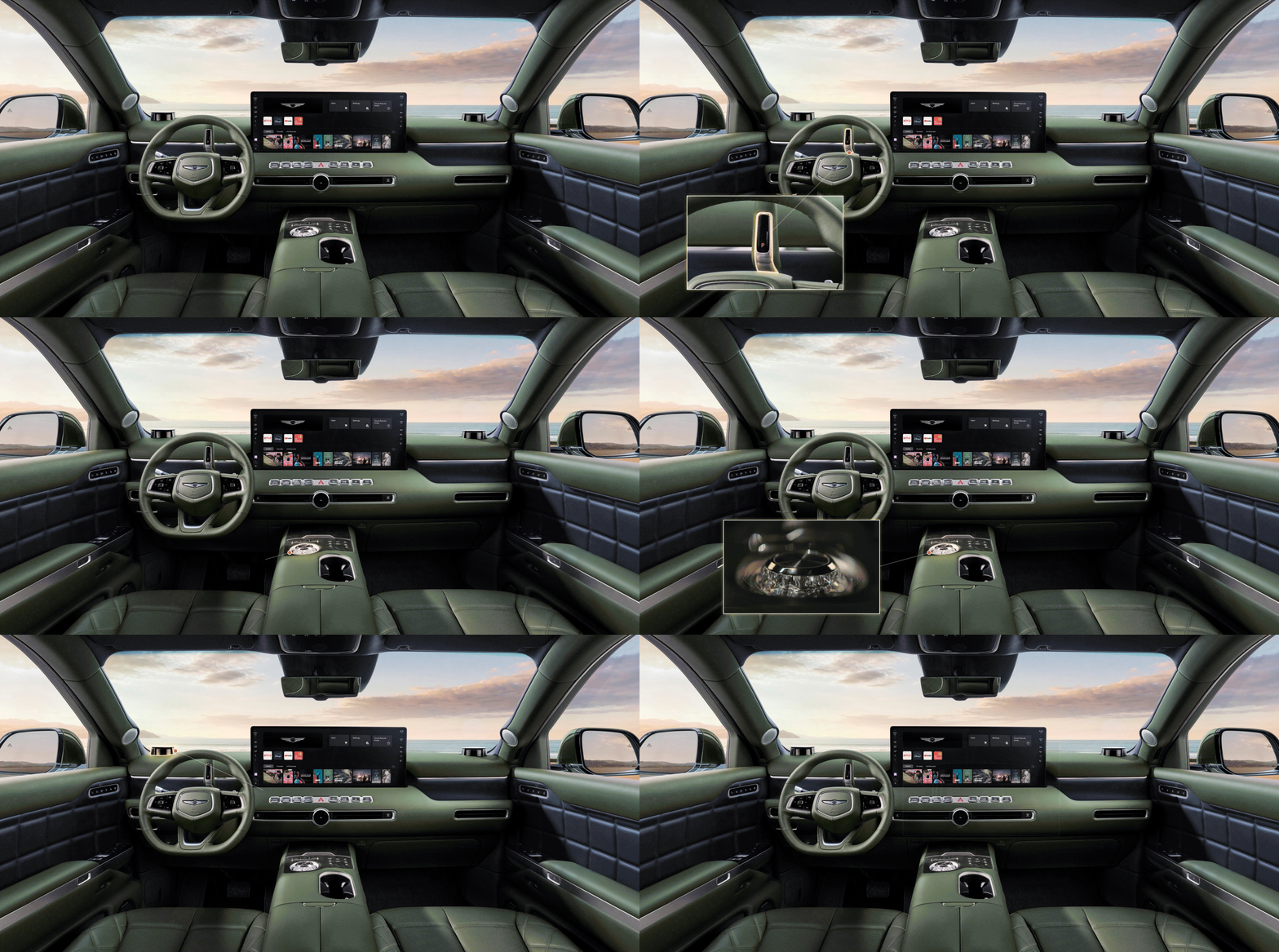
Its new flagship SUV still has plenty of technology, but the company is spending almost as much time talking about what happens when you’re sitting inside the car as what appears on the specification sheet. On October 6, Genesis published the first part of its GV90 technical deep dive, focusing specifically on the cabin and the experience surrounding it.
That sounds like marketing language until you look at what Genesis is trying to do.
The GV90 sits above the GV80 and is intended to compete in the expensive end of the electric SUV market, where simply having lots of power or a huge touchscreen no longer makes a vehicle unusual. Nearly everybody can do that now.
So Genesis is concentrating on the details passengers actually touch.
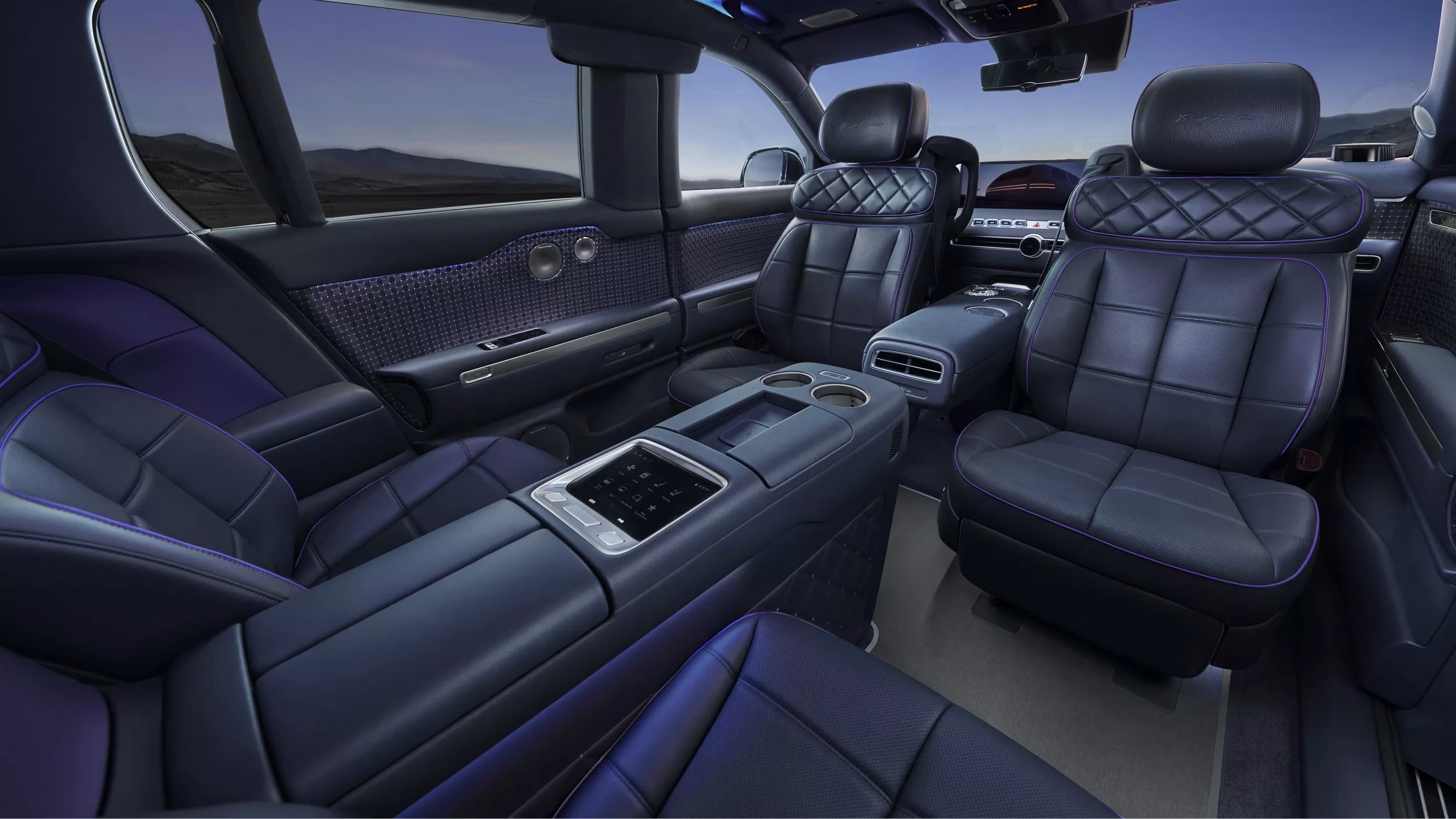
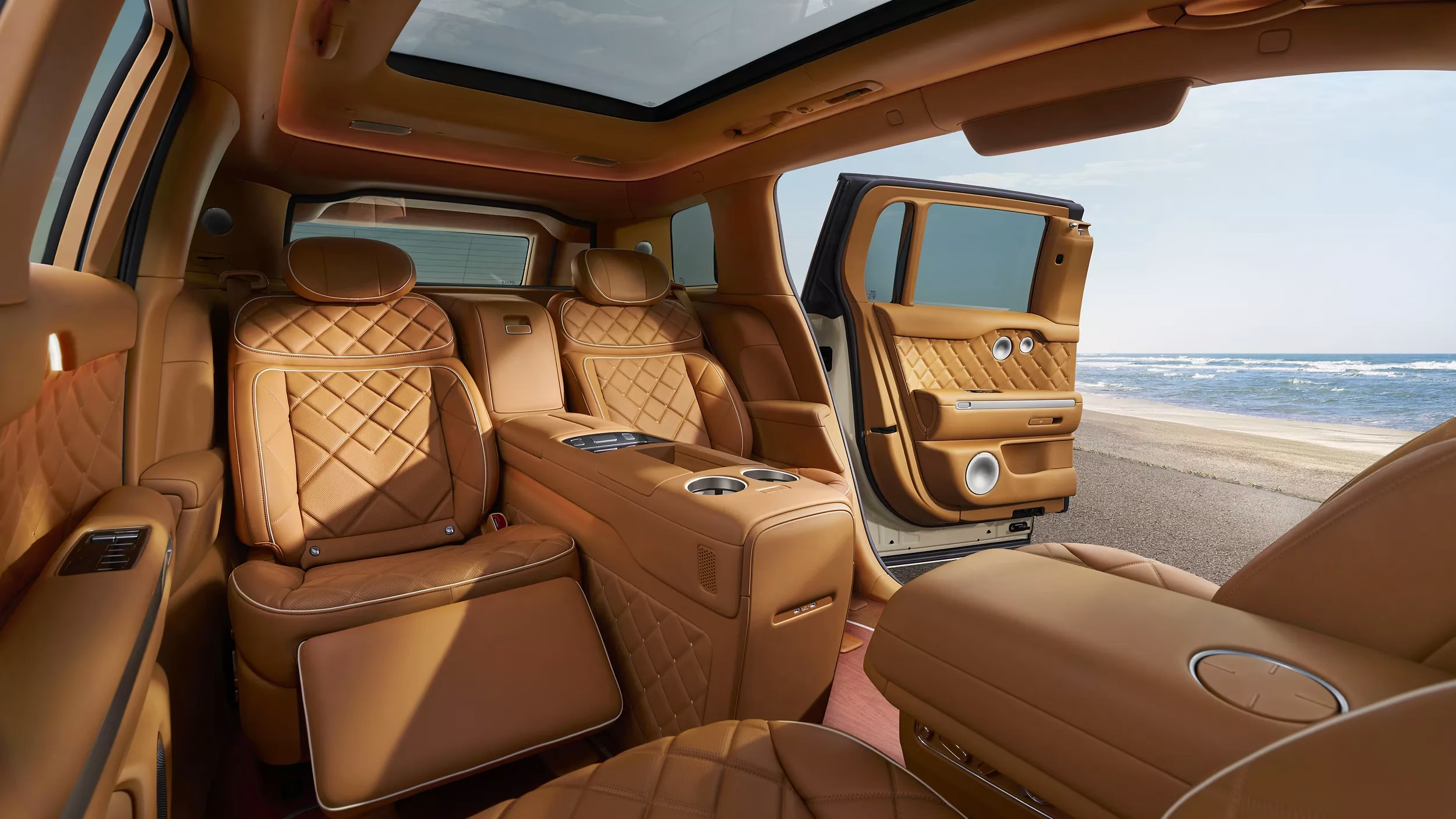
The cabin has been designed around what the company describes as Korean hospitality, with particular attention paid to materials, seating and the way controls are presented. Technology is still central, but Genesis doesn’t want it dominating every surface simply because it can.
That’s an interesting problem for a modern luxury manufacturer.
For decades, expensive cars advertised themselves with leather, wood, heavy doors and large engines. EVs have removed much of that mechanical theatre, while giant digital displays have spread from premium cars into relatively inexpensive family models.
A screen isn’t automatically luxurious anymore.
Neither is acceleration. There are family EVs capable of embarrassing sports cars at traffic lights, which makes another enormous horsepower number less impressive than it once was.
The GV90 therefore has to sell something less measurable.
Space matters. Silence matters. The way a seat moves when somebody gets in matters. Even the effort required to find a frequently used function on the dashboard can change whether a car feels relaxing or irritating after six months.
Genesis has been heading in this direction for a while, but the GV90 gives it considerably more room — literally and financially — to explore the idea.
It also has to justify its position as the brand’s flagship.
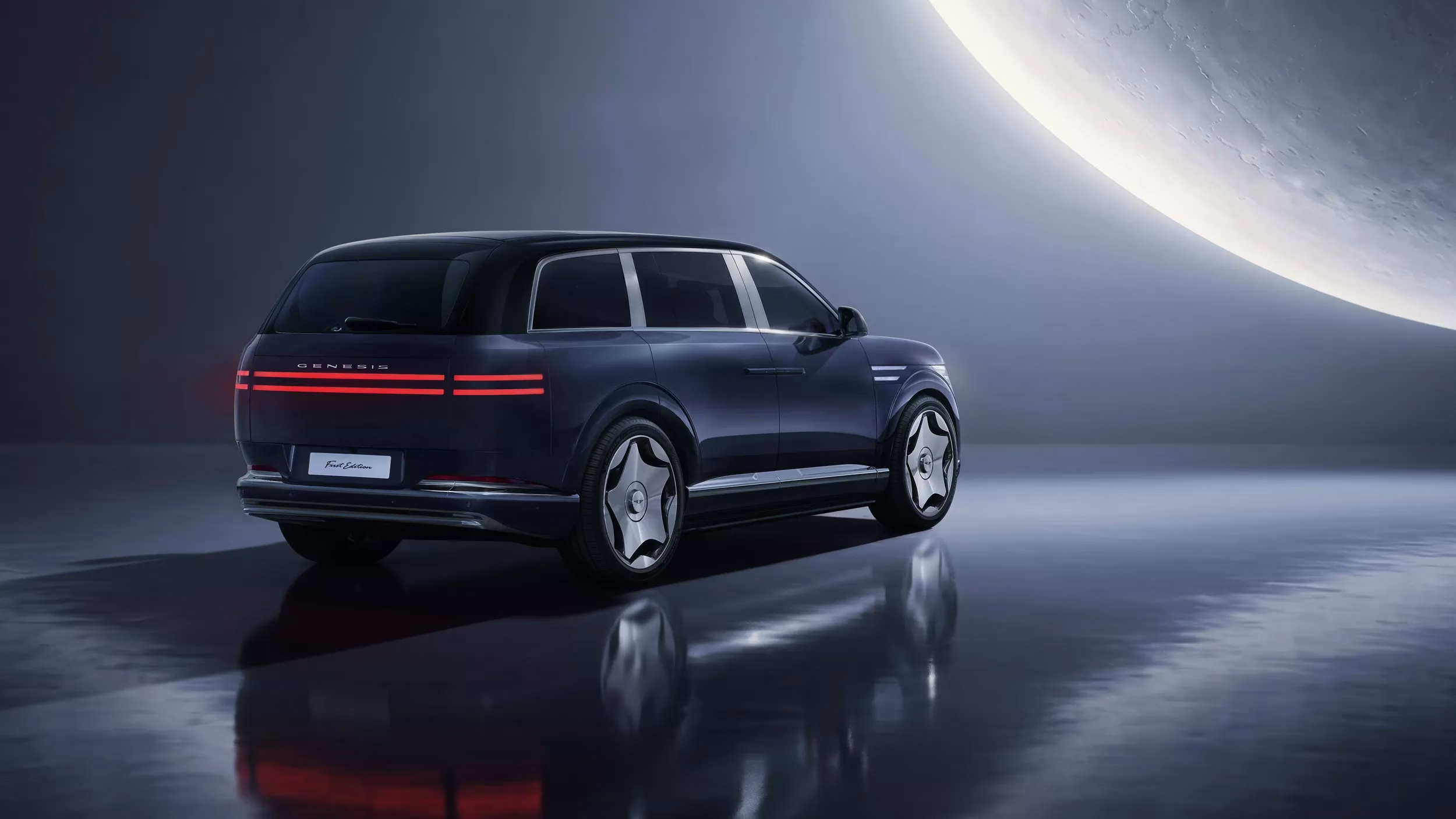
That’s not easy when Genesis is competing against companies with decades of luxury-car history behind them. Mercedes-Benz, BMW and Range Rover don’t need to explain to most buyers why their large SUVs are expensive.
Genesis still does.
Perhaps that’s why the GV90 is interesting. Instead of trying to win entirely through numbers, the Korean company appears determined to make the ownership experience part of the product.
Whether customers will pay flagship money for it is another question. At least Genesis understands that adding one more screen probably isn’t the answer.