
 Eduard Huma
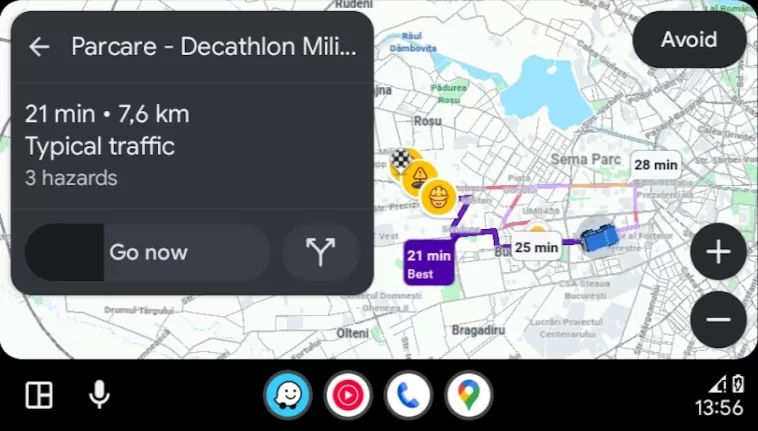
Google has begun distributing a fresh Android Auto beta build, though this release looks different from some earlier updates. Version 17.1 has entered testing, and while the company has not published a detailed changelog, the first reports point toward maintenance work rather than visible interface changes.
The timing is not surprising. Google already confirmed a larger Android Auto refresh for later this year, so attention appears focused on stability and background improvements for now. Drivers waiting for redesigned menus or new dashboard elements will not find them in this build.
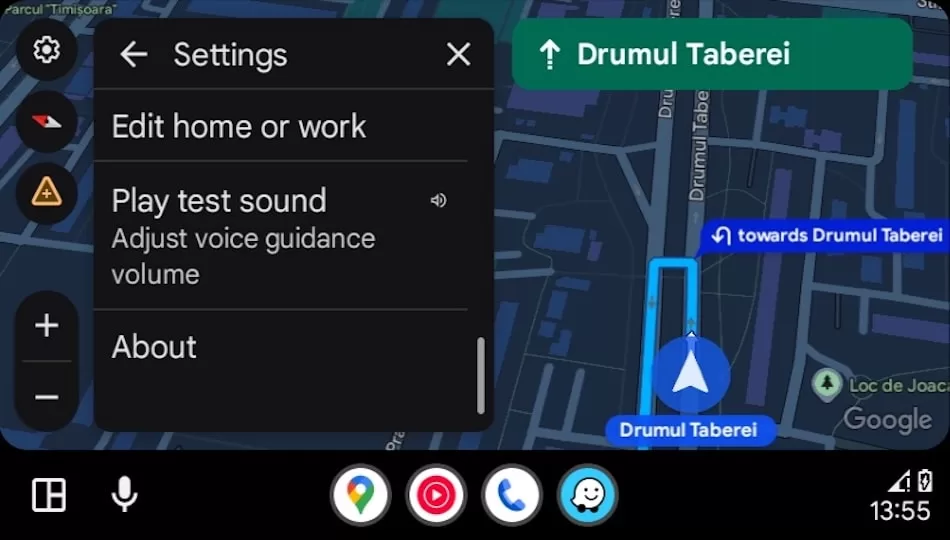
Instead, the focus seems tied to issues users have reported in recent months. Complaints involving unexpected disconnects have circulated for a while. Gemini-related problems have surfaced as well, including voice-command failures and application crashes during certain tasks. Google has not confirmed whether Android Auto 17.1 beta addresses those specific concerns, though users dealing with persistent glitches may want to try the update.
There is another detail worth mentioning. Access is not limited to registered beta testers.
Anyone outside Google’s testing program can install the release manually through the APK package already available online. The process starts with downloading the installer file to a smartphone. After locating the downloaded package, users can launch the installation directly or select the completed download notification. Depending on device settings, Android may request additional permissions, especially when software originates from a source other than the Google Play Store. The installation wizard then guides users through the remaining steps.
Meanwhile, Google’s larger Android Auto project continues moving forward. The company previously confirmed support for widgets and the ability to watch YouTube videos while parked. Video playback will work alongside an audio-only mode designed for situations when the vehicle starts moving. Application developers must include background-audio support for compatibility, while YouTube access requires a Premium subscription.
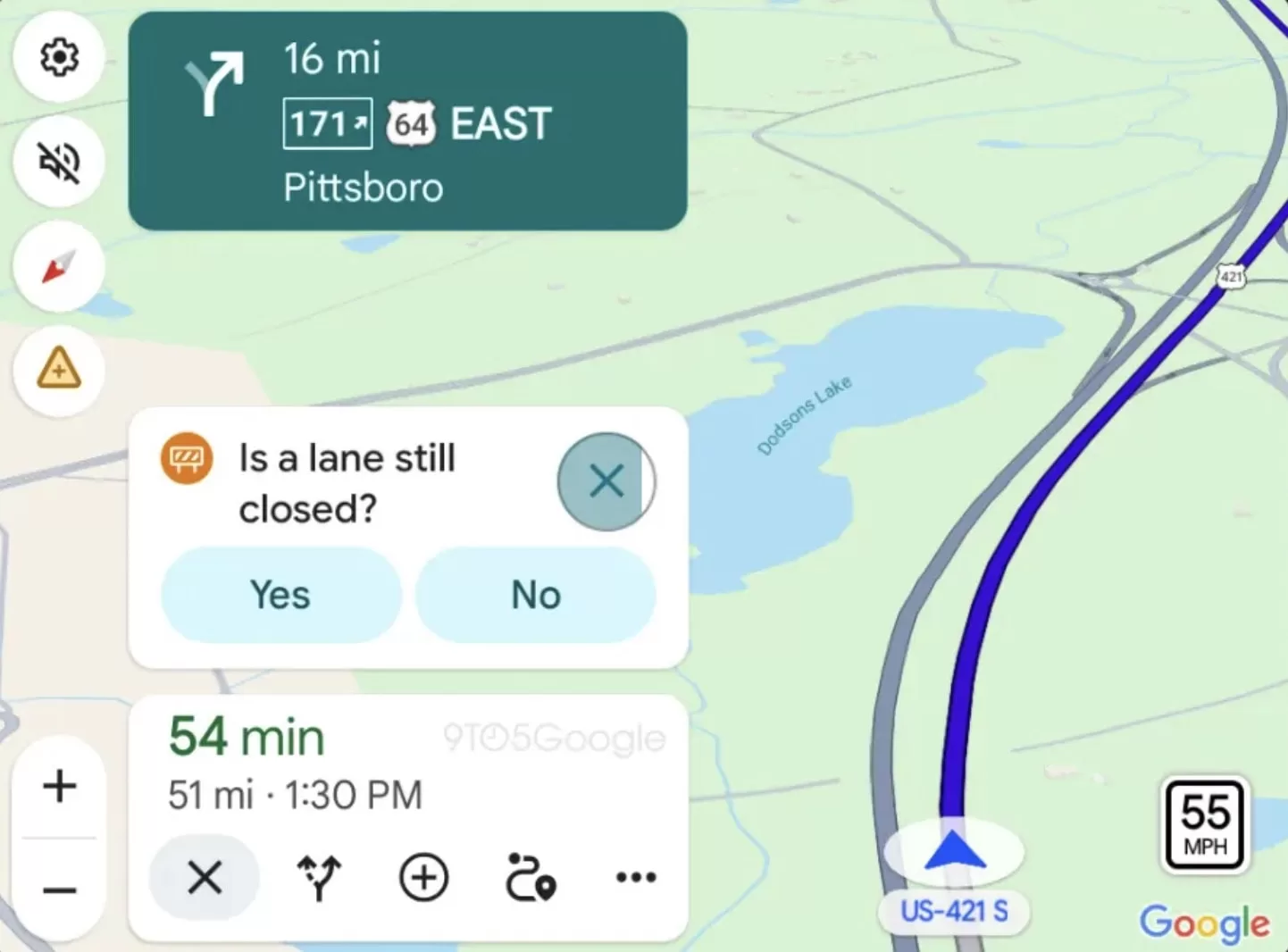
Google Maps is changing too. A revised hazard-alert presentation has begun appearing for some Android Auto users. The redesigned approach prevents alerts from covering important navigation information on the display. Google has not indicated whether this behavior is connected to Android Auto 17.1 beta or another update delivered separately.
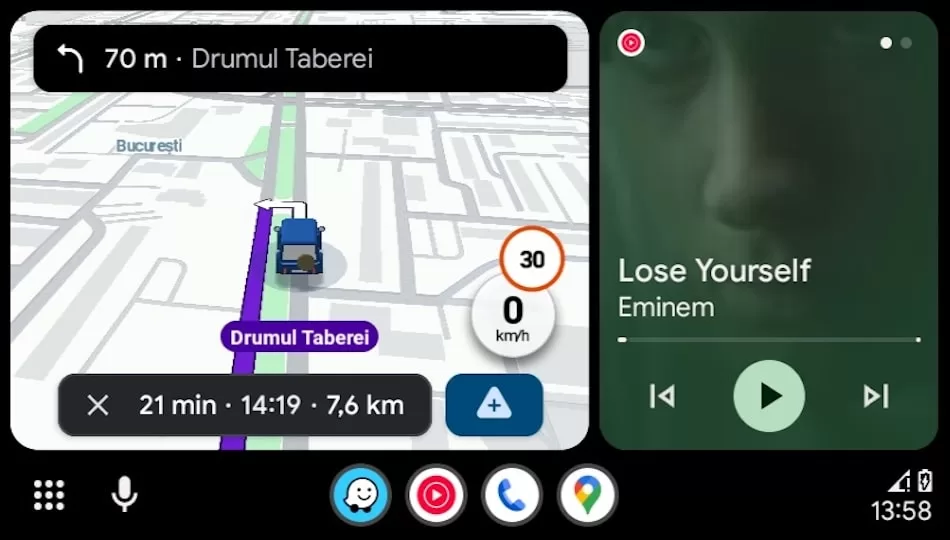
Keeping Android Auto and Google Maps updated increases the likelihood of receiving the latest additions, although Google may also activate certain functions through server-side changes.
The build currently rolling out carries version number Android Auto 17.1.1623 beta. If testing proceeds without a major issue, Google expects the public production release to begin next week.