 Eduard Huma
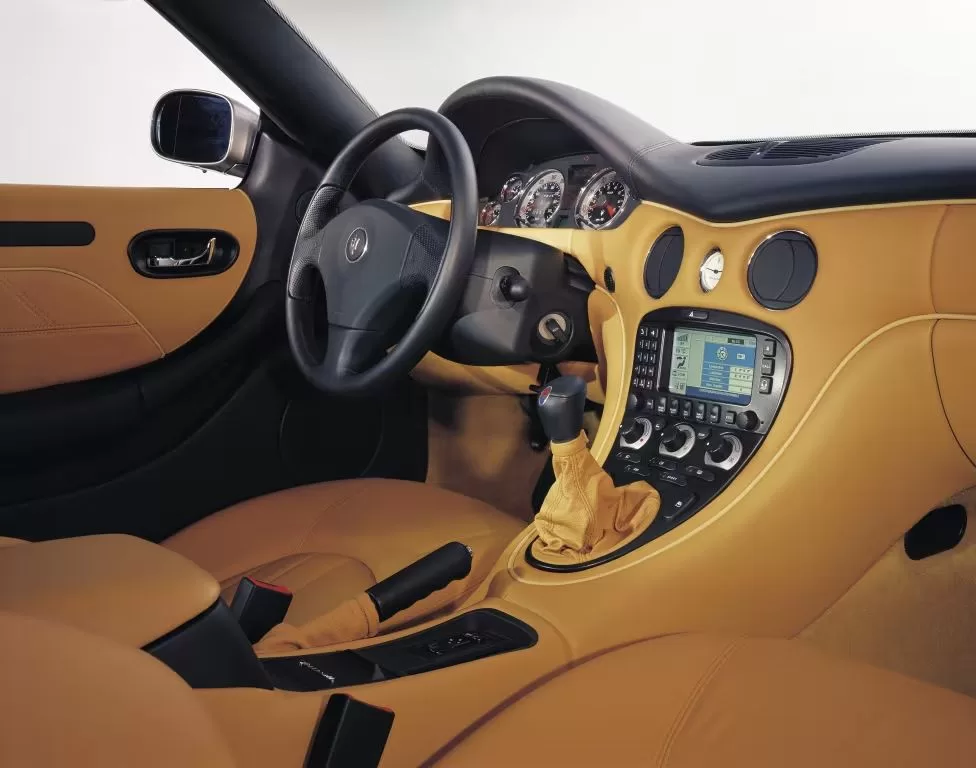
For years, the manual transmission has been disappearing from the upper end of the automotive market. Dual-clutch gearboxes took over. Electric vehicles accelerated the trend. In Europe, finding a luxury-focused performance model with a clutch pedal has become increasingly difficult.
Maserati now intends to move in a different direction.
The development surfaced during a question-and-answer session involving chief marketing officer Cristiano Fiorio. According to reports first carried by The Drive, manual transmissions will return to the Italian brand. There is a catch, though. Buyers should not expect the feature to spread across mainstream production models.
Instead, the three-pedal setup is headed toward Maserati’s most exclusive projects.
The initiative falls under BottegaFuoriserie, a Stellantis-backed organization created to bring together bespoke design and manufacturing activities for Maserati and Alfa Romeo. The operation focuses on highly customized automobiles rather than volume products.
At present, the division works through four separate branches.
Bottega handles the design, development, and production of ultra-exclusive vehicles, including examples such as the Alfa Romeo 33 Stradale and Maserati MCXtrema. Fuoriserie concentrates on personalization programs tailored to individual clients. Corse serves as the motorsport-oriented arm, transferring racing knowledge to road-going machinery. La Storia focuses on historical restoration and certification work.
Fiorio’s position within this structure gives him direct contact with the people ordering such vehicles. According to him, many wealthy customers continue to ask for internal-combustion engines and a traditional third pedal. He also revealed another recurring request. Buyers working through BottegaFuoriserie want large gas mills.
For enthusiasts hoping a manual transmission might appear in a future MCPura or a next-generation Quattroporte, the news is less encouraging.
As Byron Hurd of The Drive pointed out, the decision is “kind of a dud for the rest of us” because the manual comeback targets bespoke automobiles rather than regular-production Maseratis. The company has not sold a stick-shift model in its standard lineup for nearly twenty years.
Back then, Maserati still relied on Ferrari-developed engines.
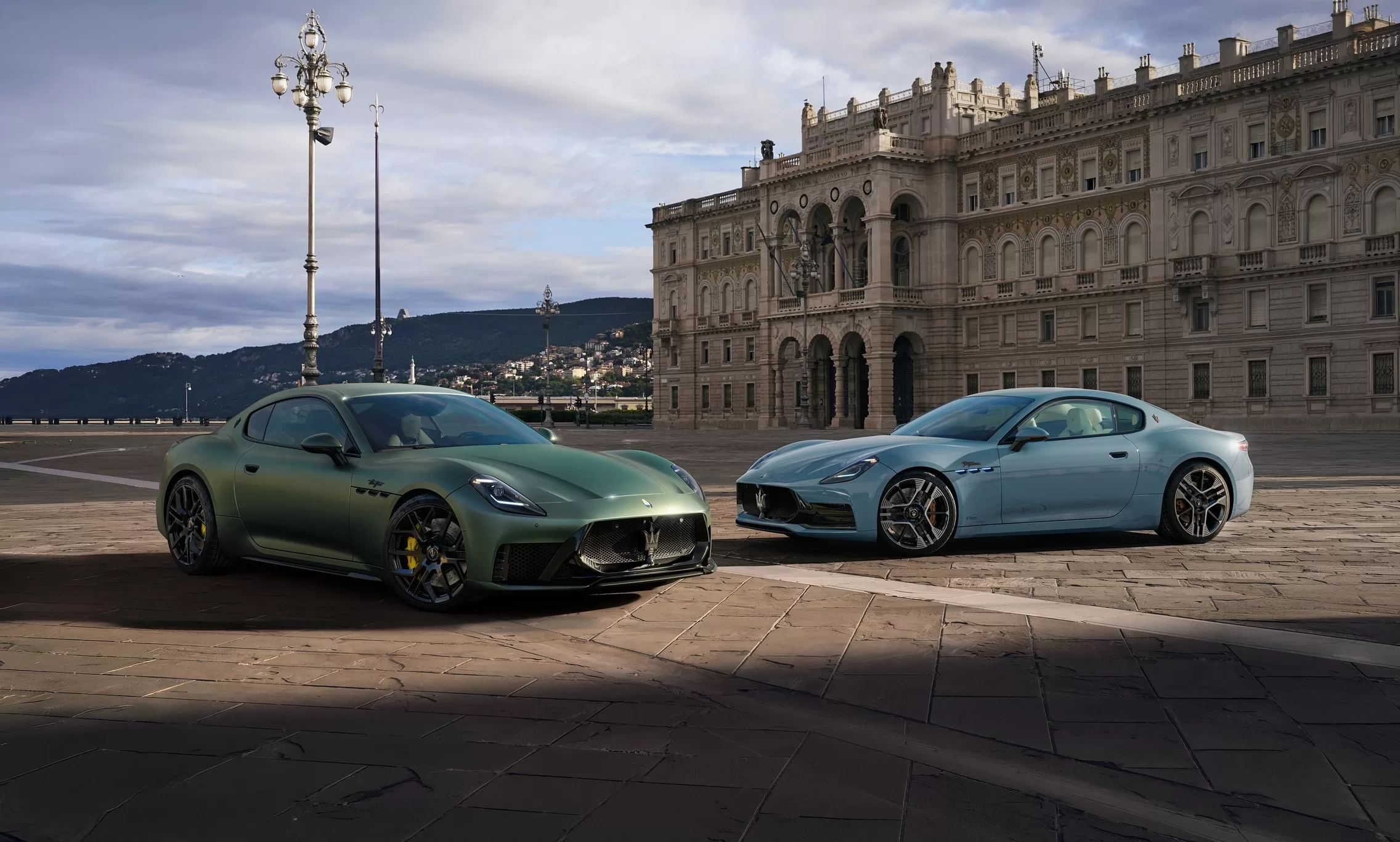
Some technical links remain. The twin-turbo V6 used by Maserati shares several Ferrari characteristics. Structurally, the Nettuno engine traces part of its architecture to the F154 family that also produced the 690T found in Quadrifoglio models. The engines share identical bolt patterns. The crankshaft position sensor mounts, oil-filter housings, and rear main-seal flanges match as well.
There are differences, too. Maserati developed its own cylinder heads and employs a pre-chamber ignition system supported by both direct and port fuel injection.
For a small group of customers, those details matter less than one thing. Soon, they may once again order a brand-new Maserati with three pedals.
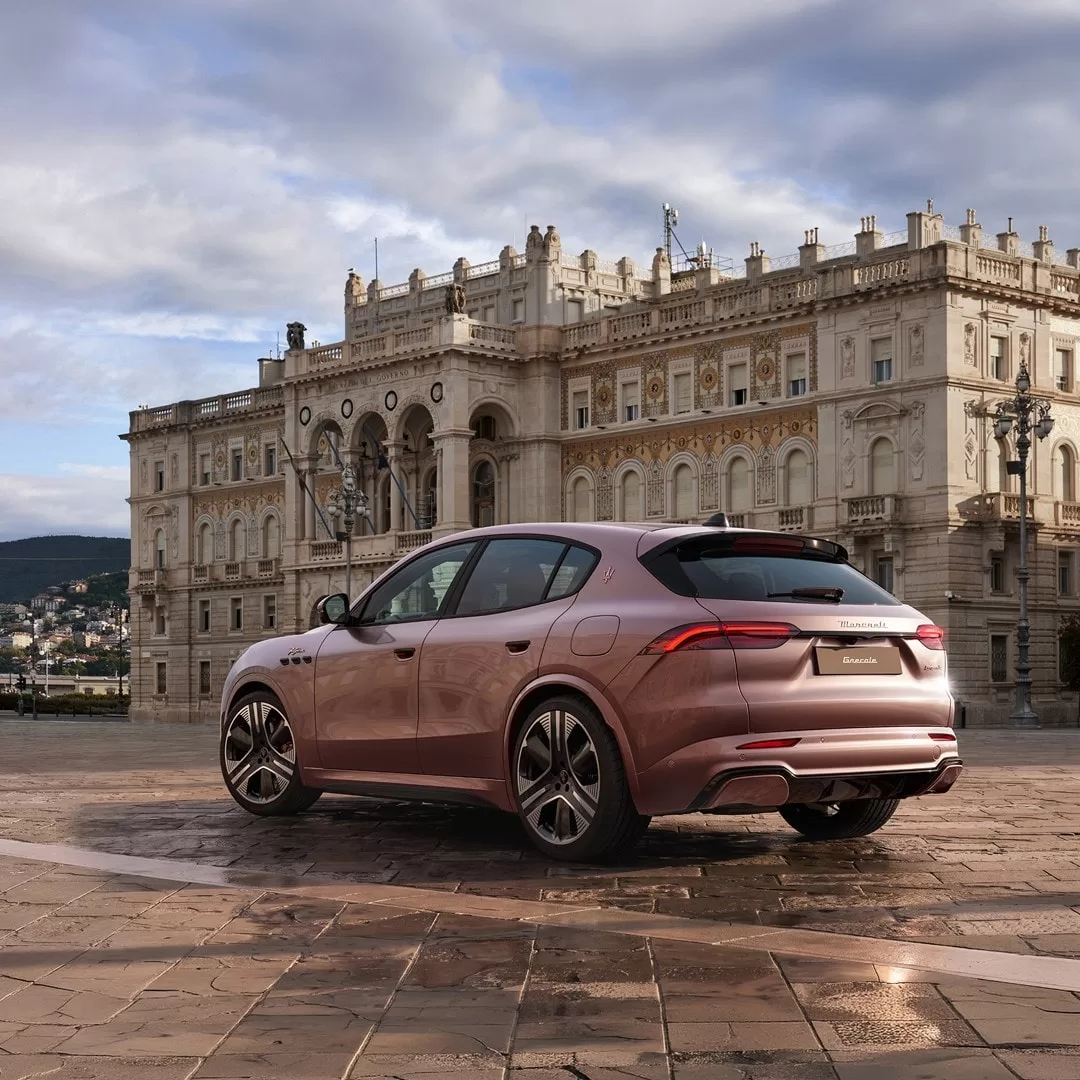
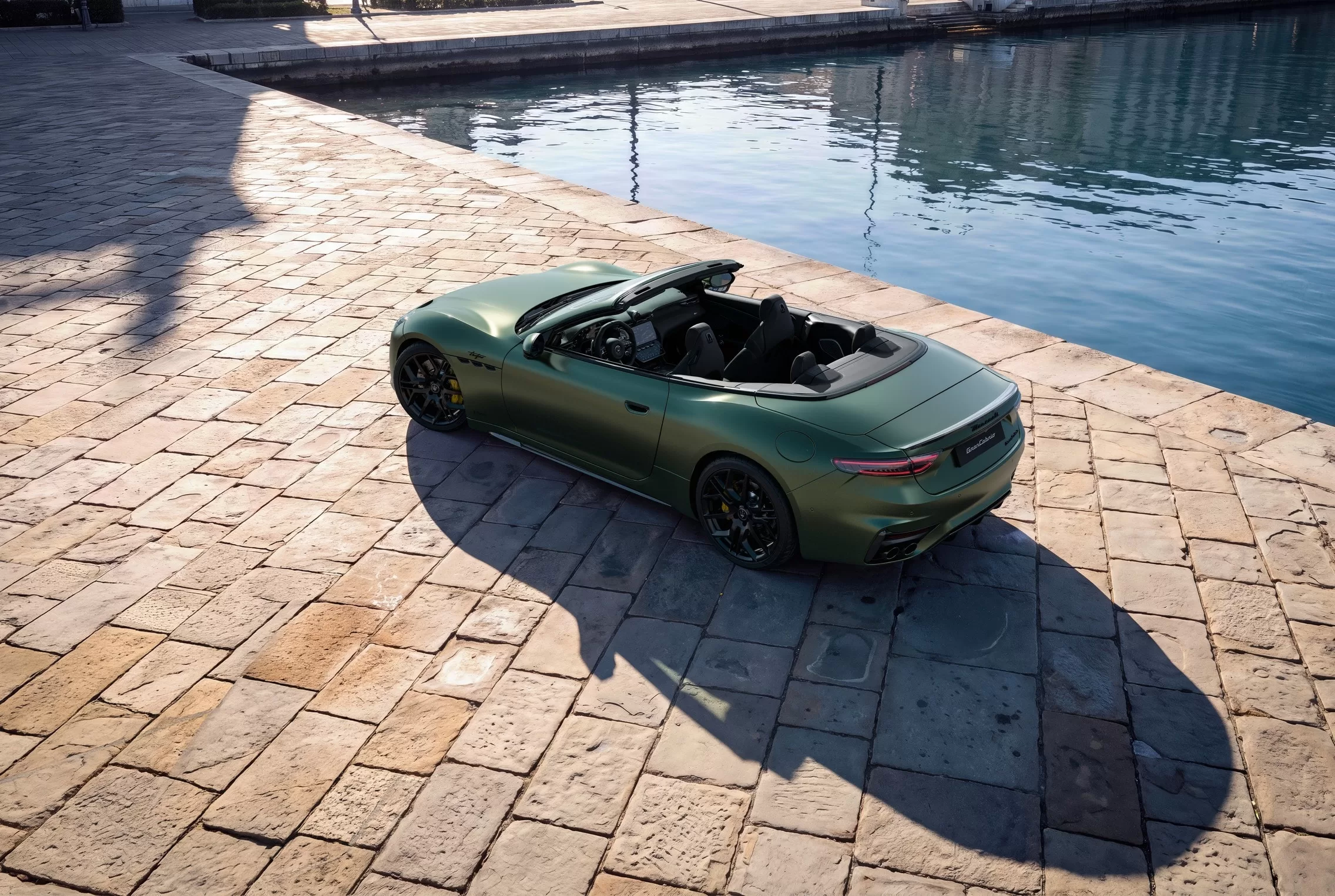
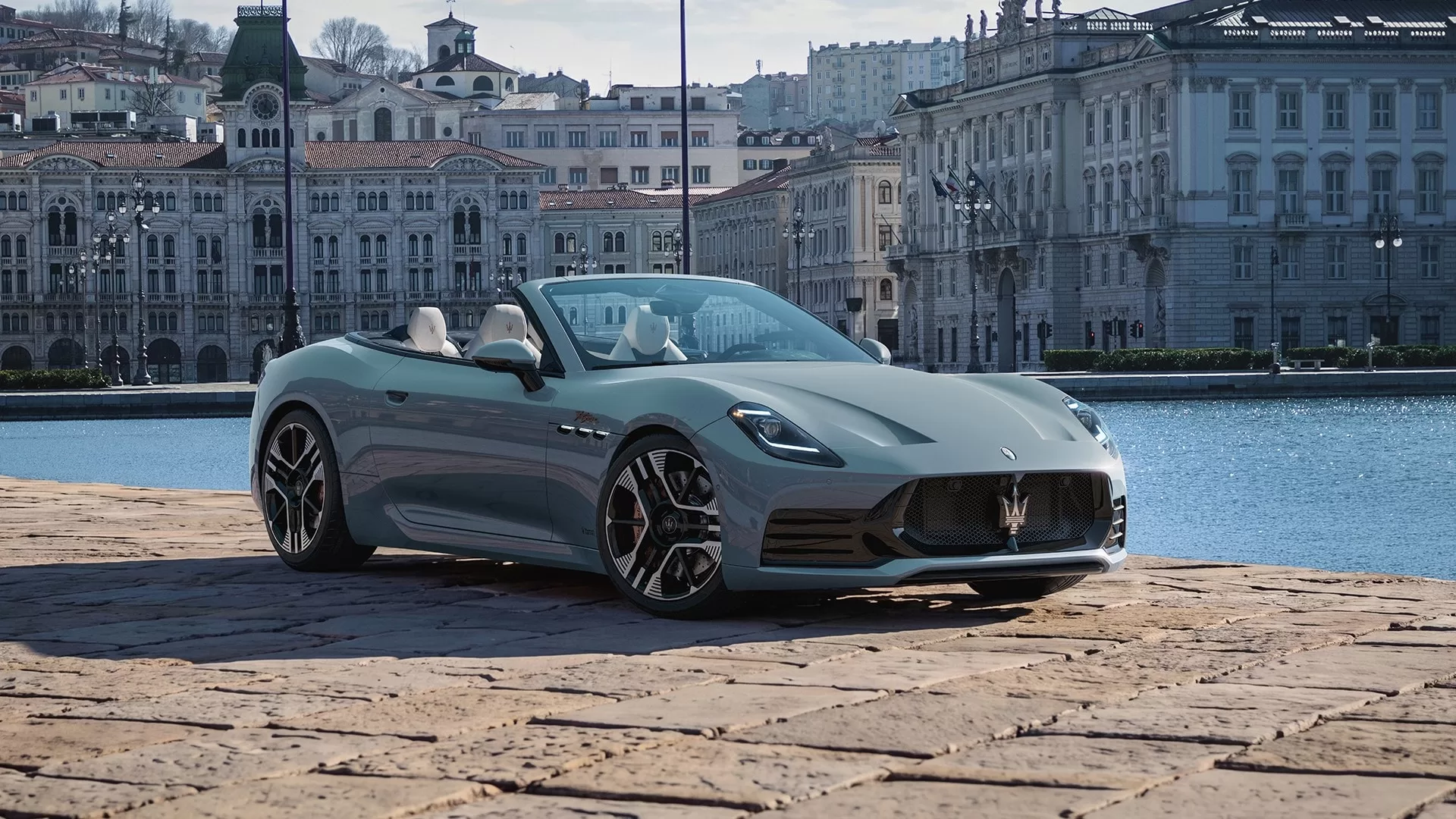
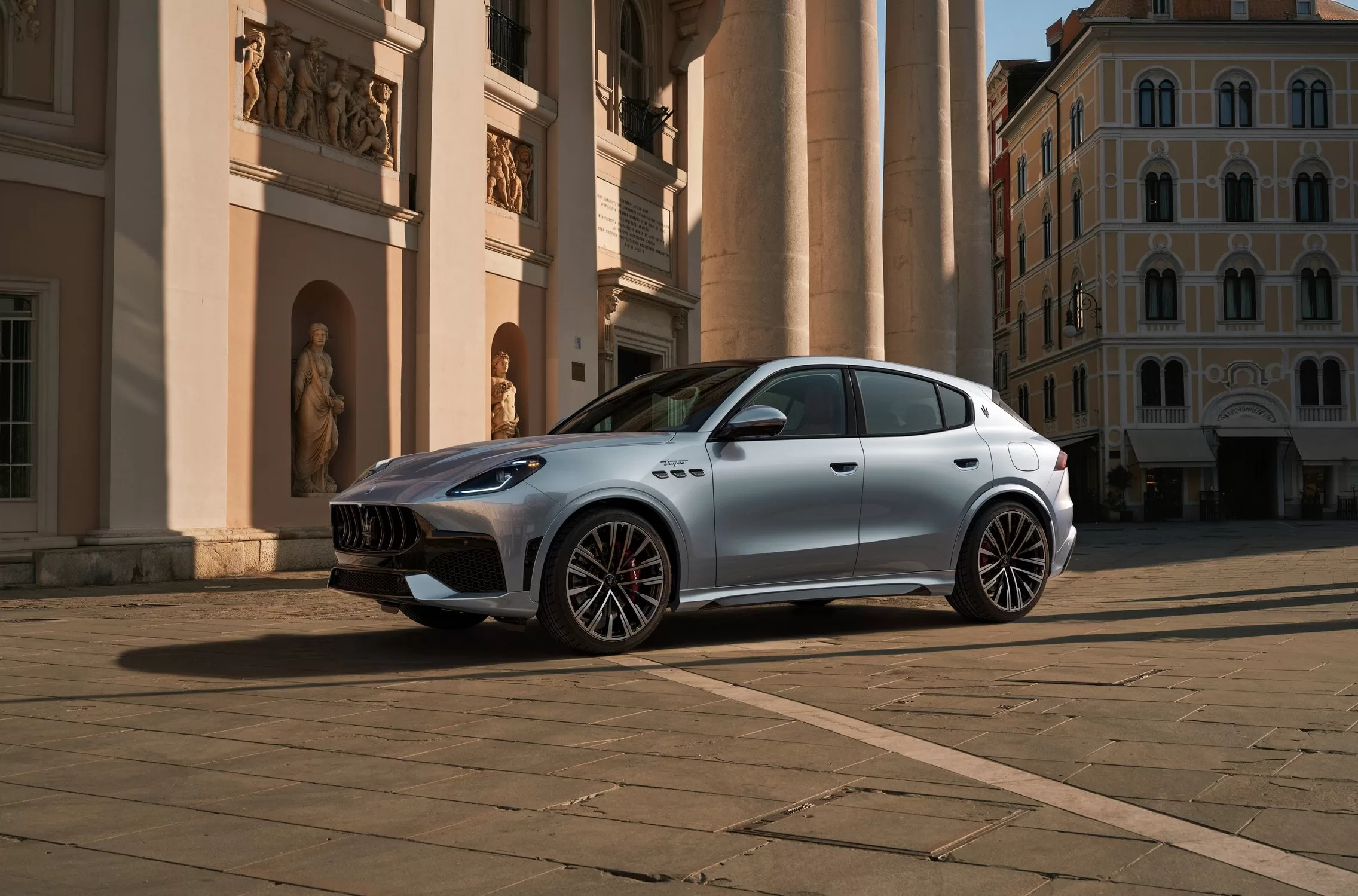
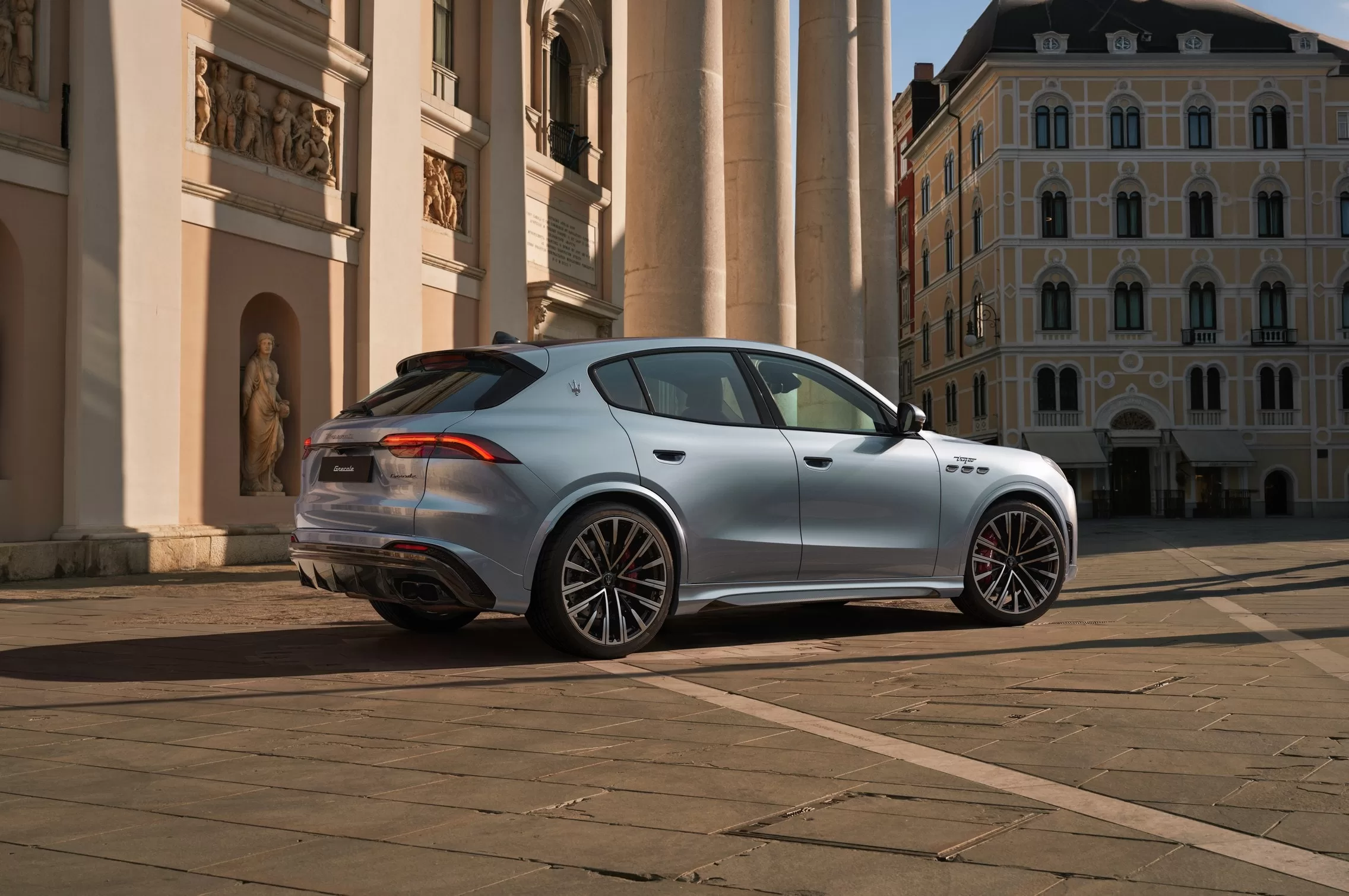
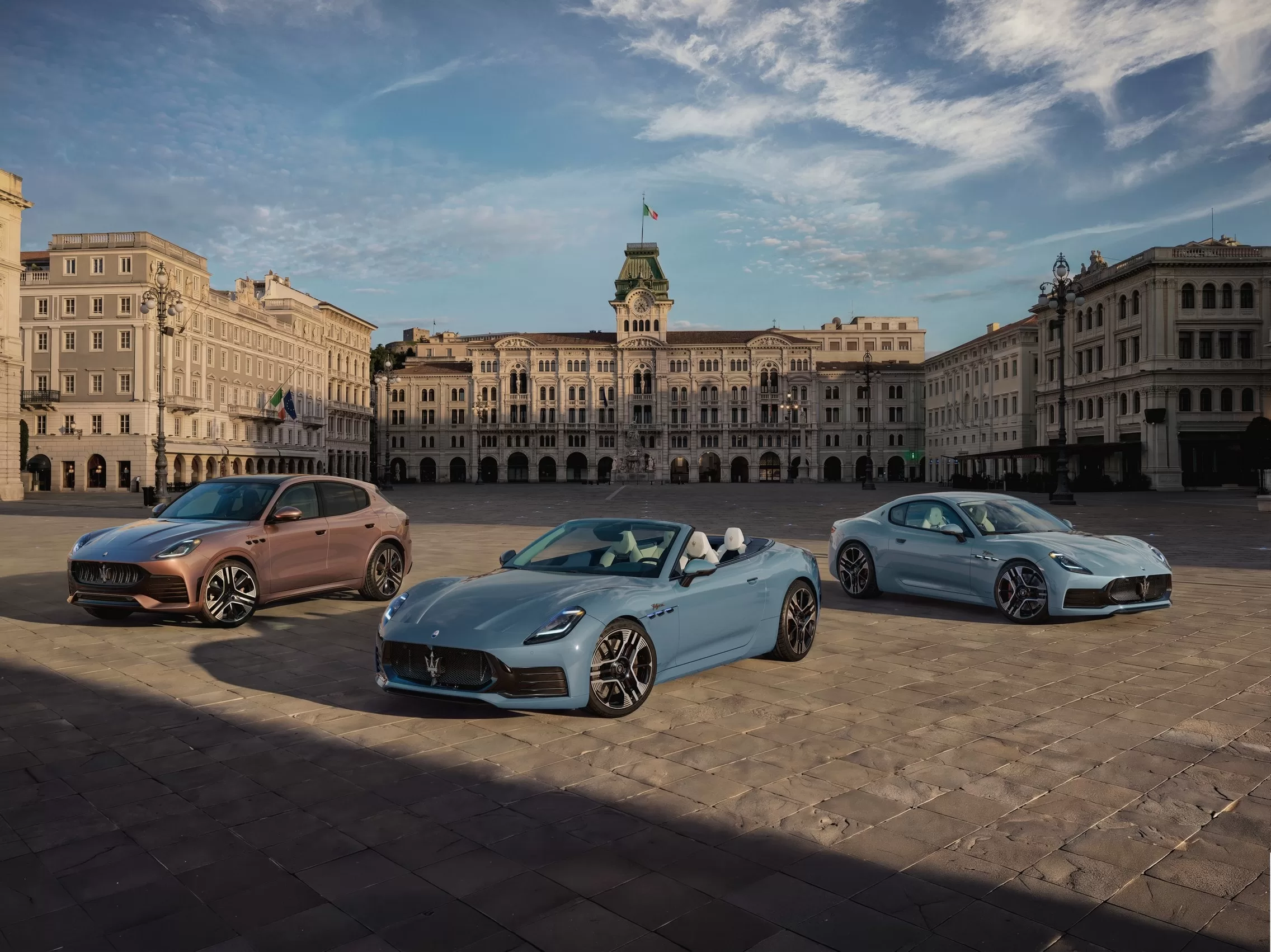
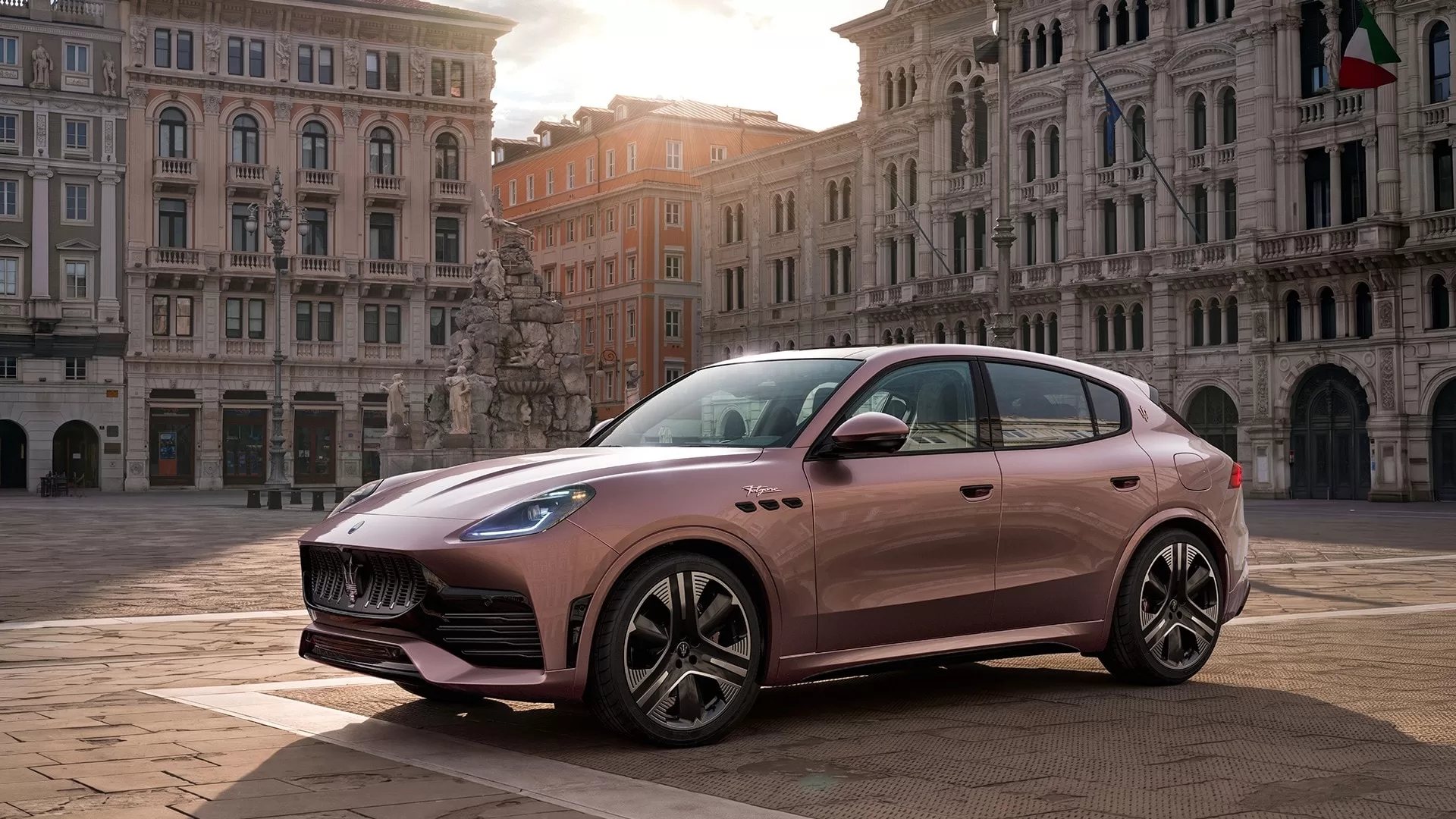
Maserati Grecale & GranTurismo & GranCabrio Facelift – Photo Gallery