 Eduard Huma
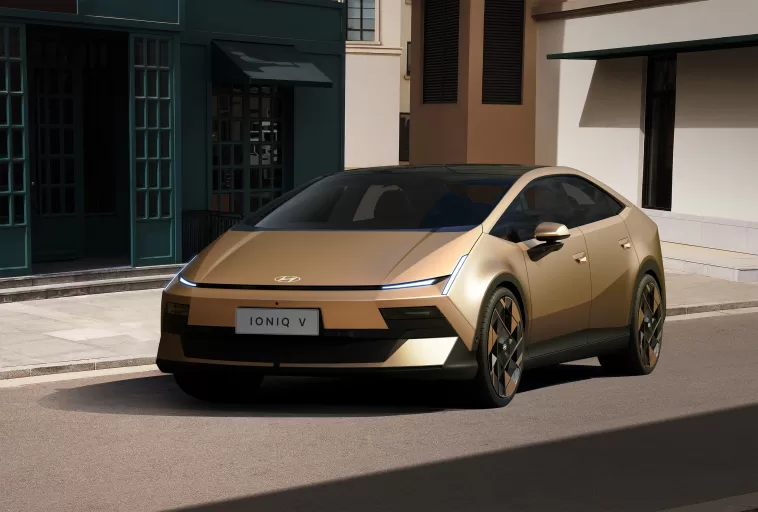
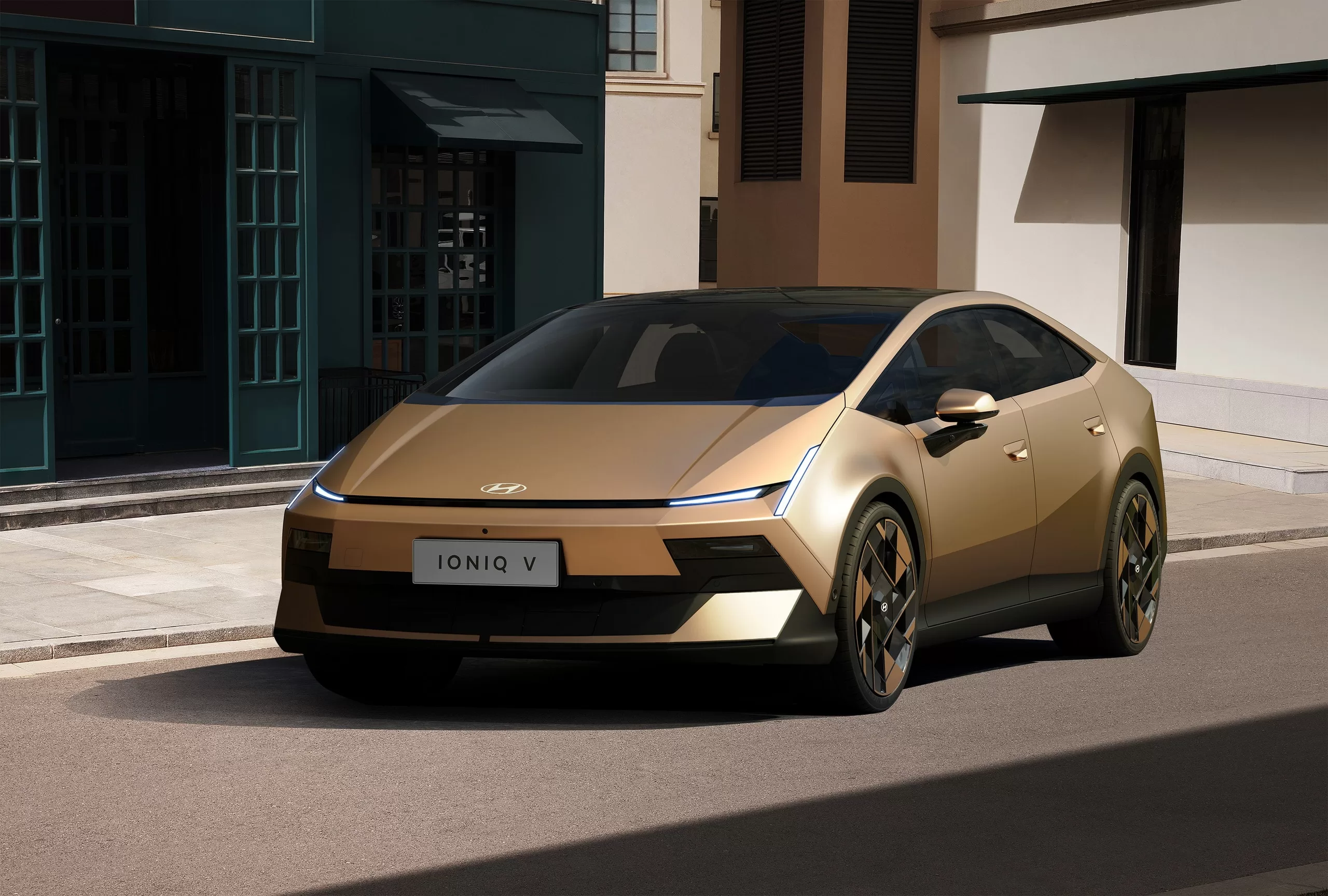
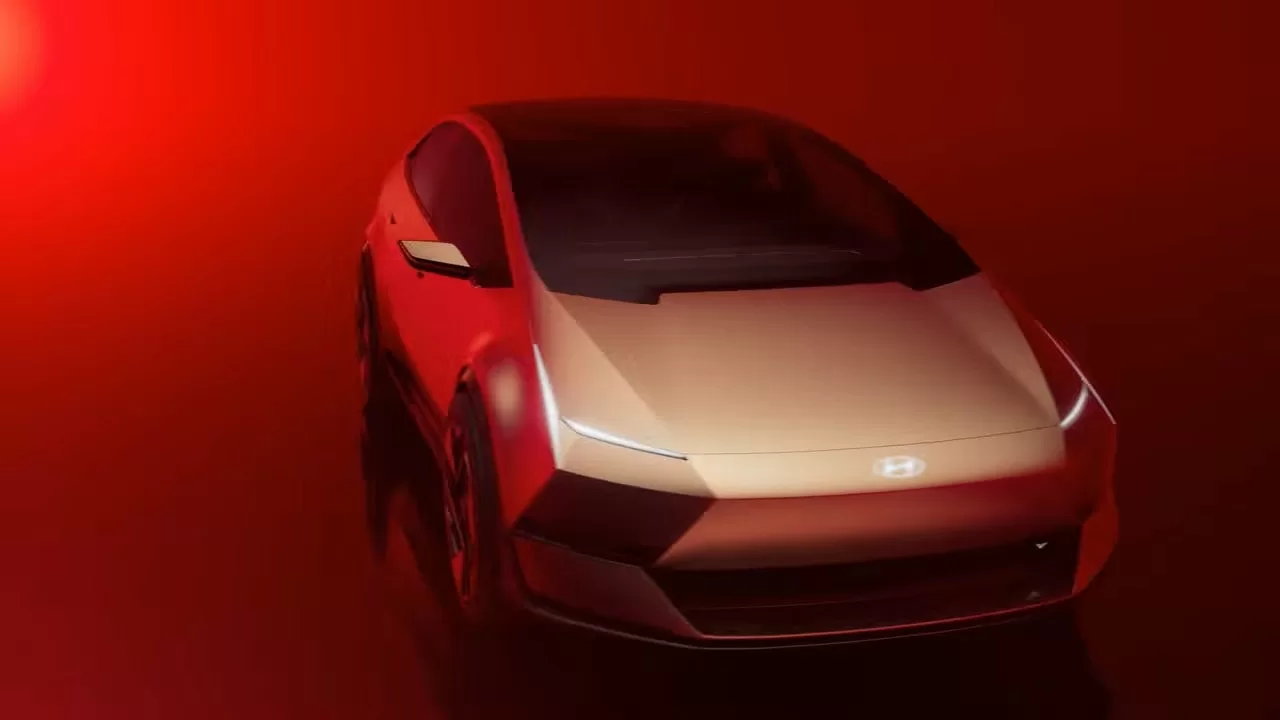
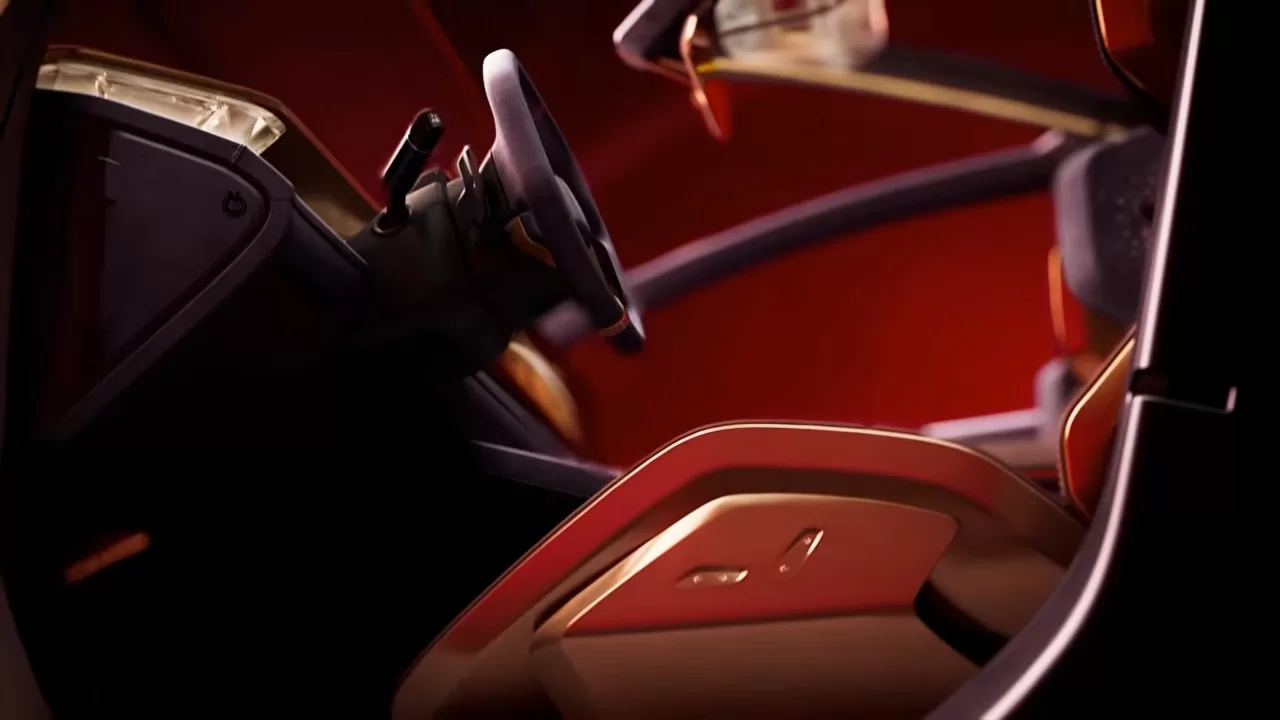
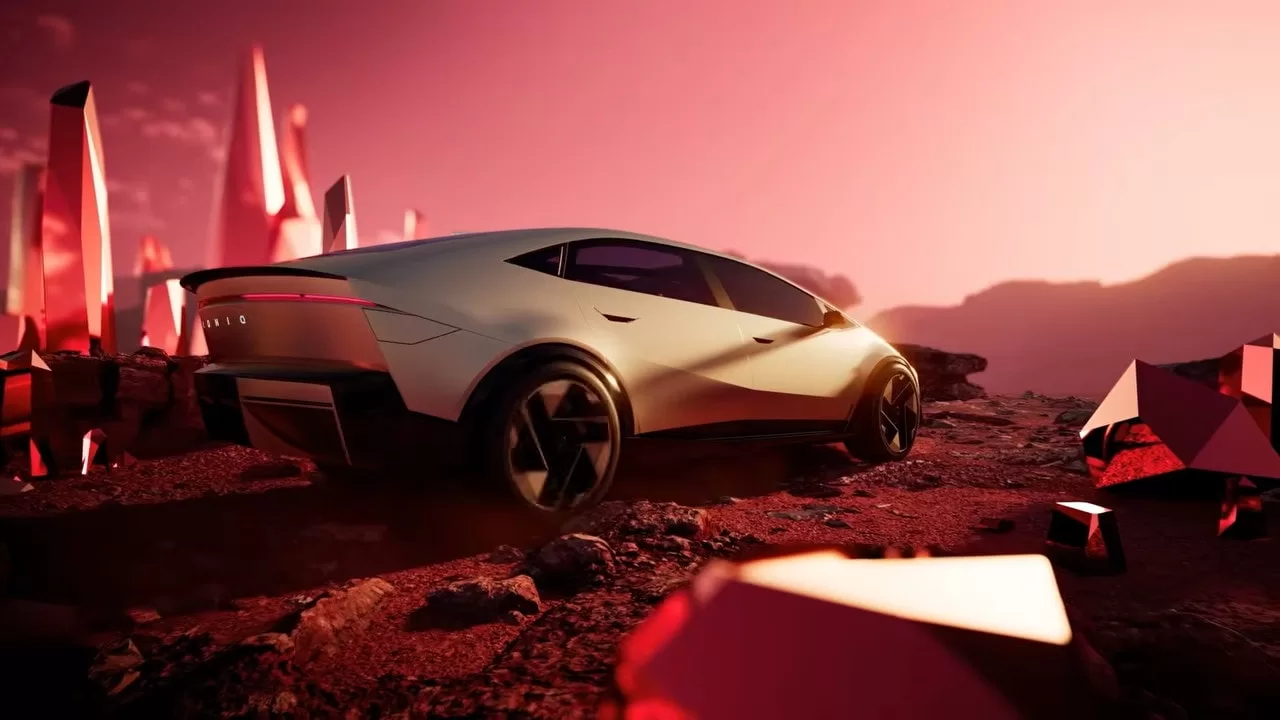
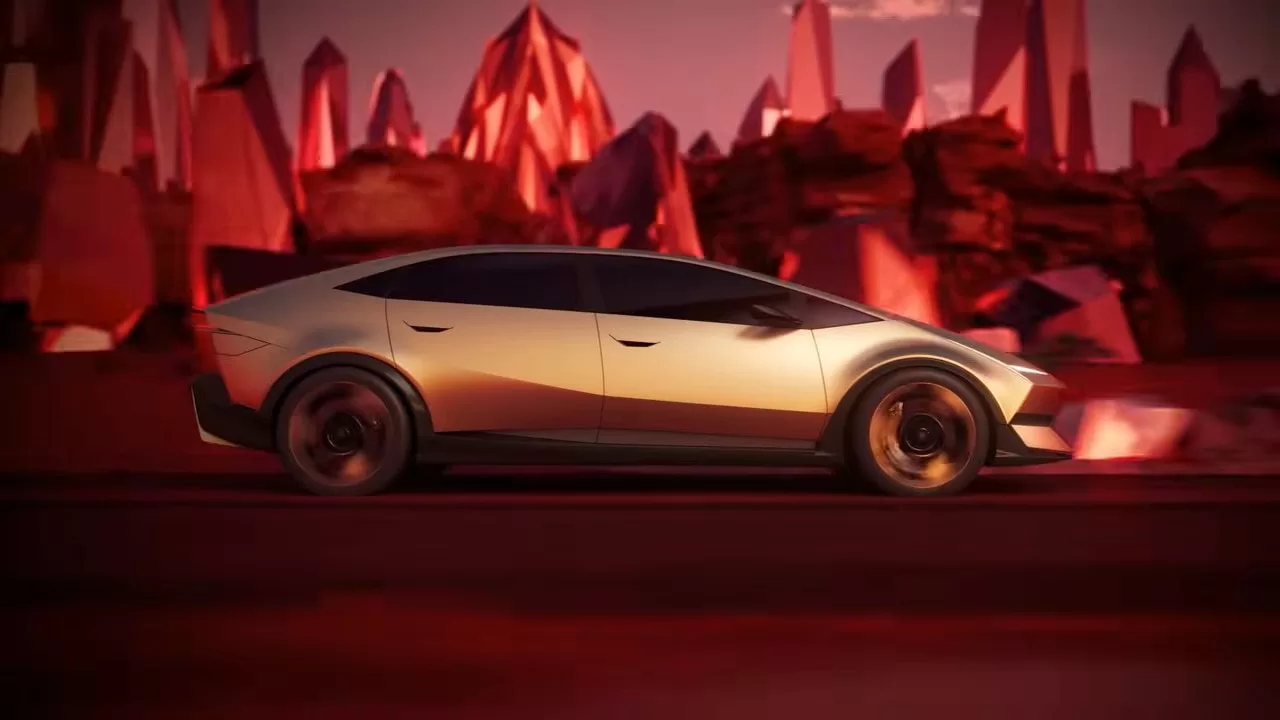
Hyundai used the Beijing Auto Show to place a new electric sedan at the center of its China program. The car carries the Ioniq V name and, unlike other members of the family, this one was developed only for local buyers. The project also marks the first production model derived from the Venus concept, shown here in Radiant Gold.
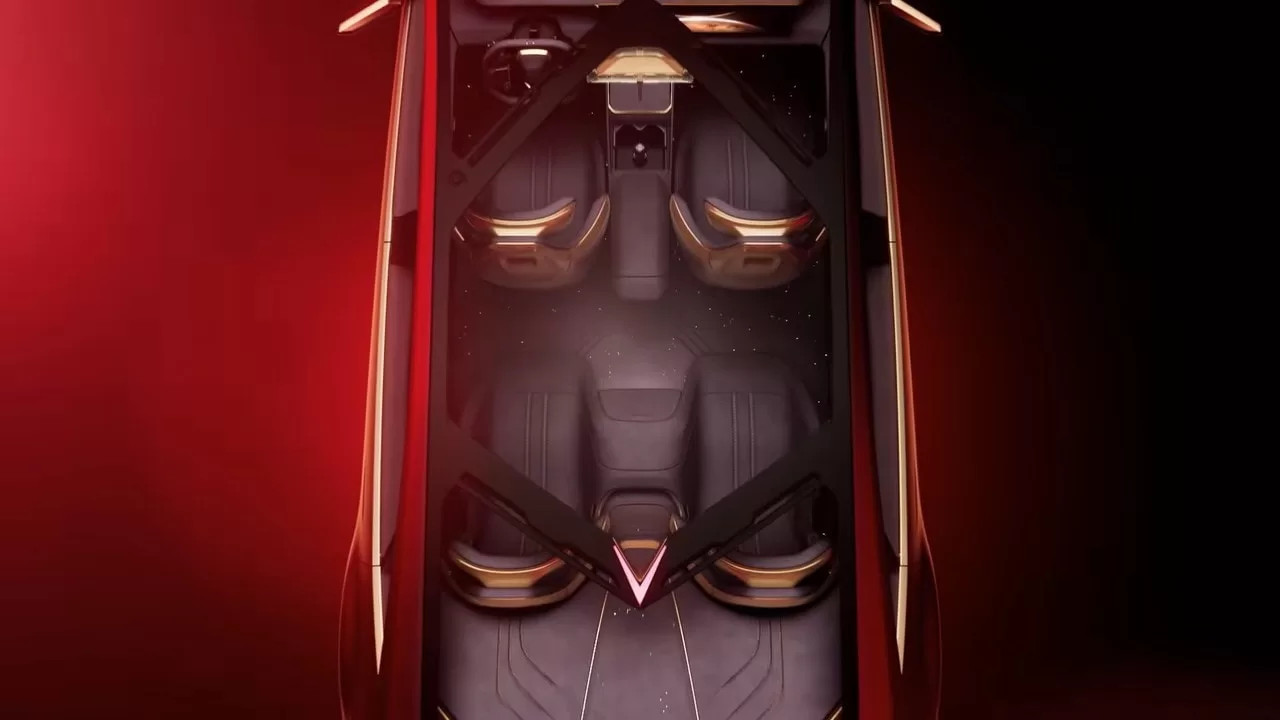
Dimensions place the sedan in the larger part of the segment. Body length reaches 4,900 millimeters, width stands at 1,890 millimeters, and the wheelbase extends to 2,900 millimeters. Cabin packaging follows the same direction. Front passengers receive 1,078 millimeters of legroom, while the second row gets 1,019 millimeters. Shoulder room measures 1,502 millimeters at the front and 1,473 millimeters at the rear.
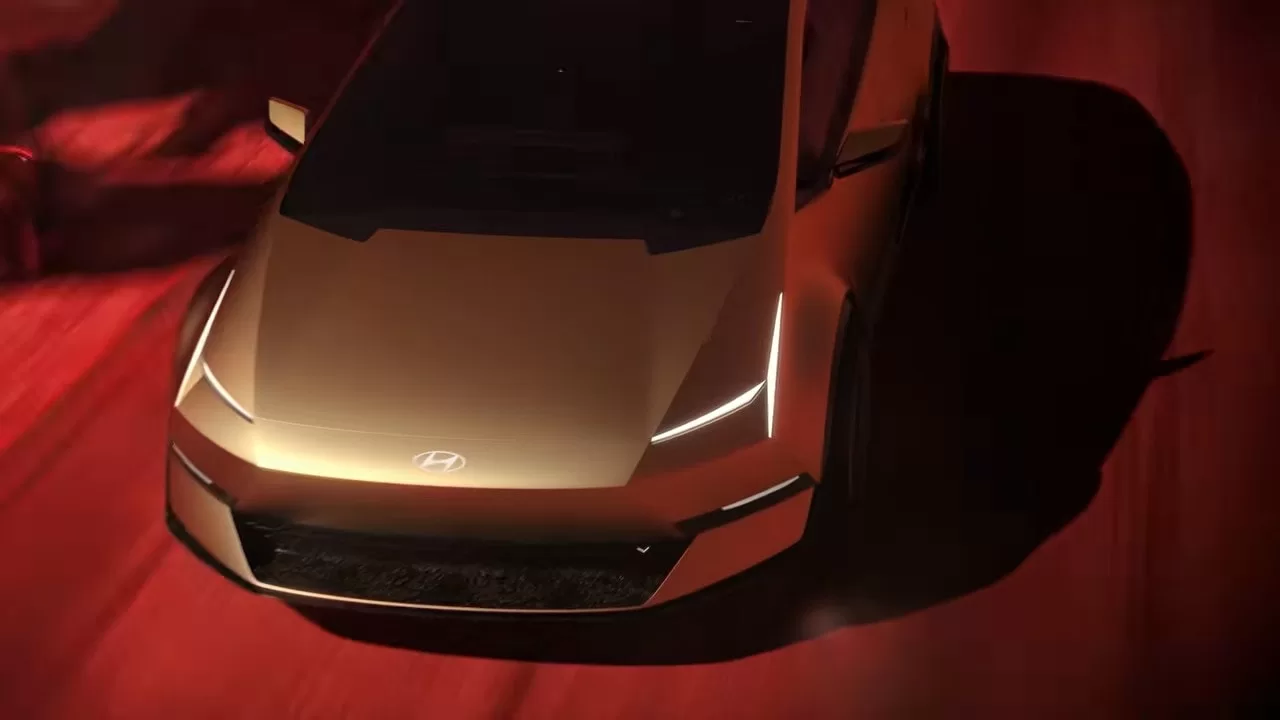
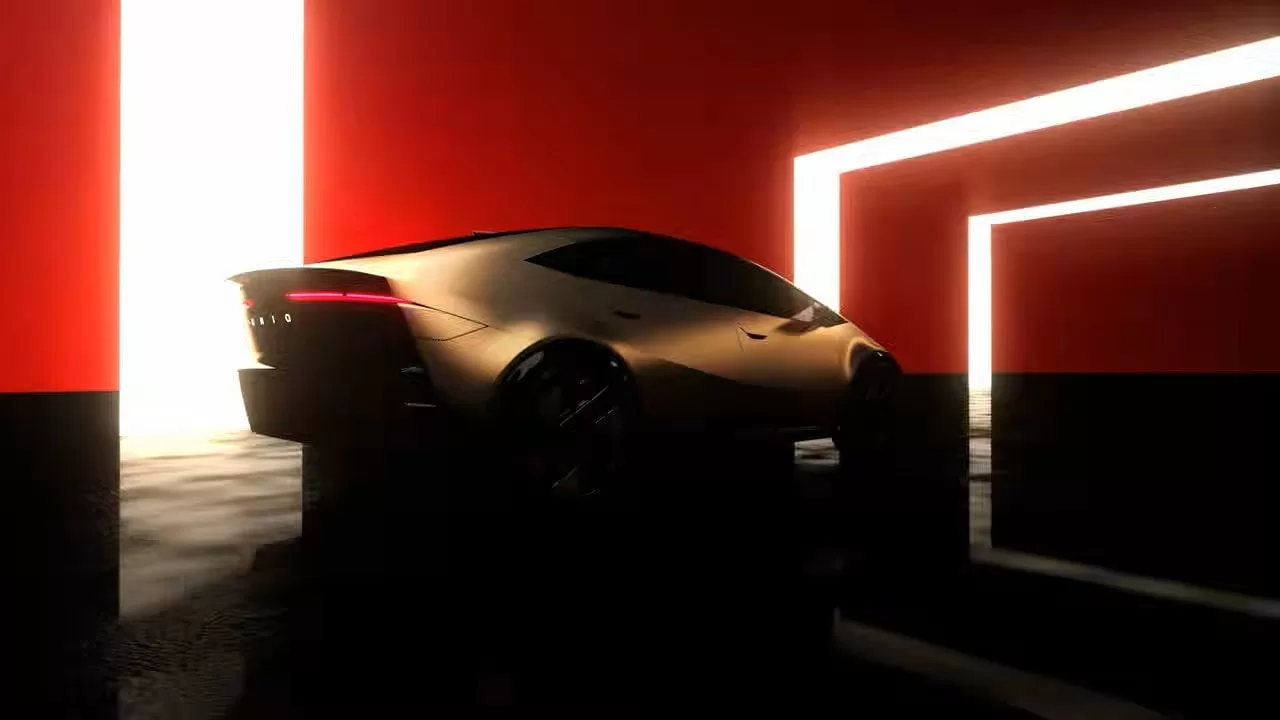
The exterior avoids heavy ornament. Frameless doors shape the side view, while floating mirrors separate the car from the rest of Hyundai’s current electric line. Hyundai links this visual approach to a China-specific design direction called Origin. The sedan keeps a low profile, almost restrained, and the proportions stay close to a classic four-door format.
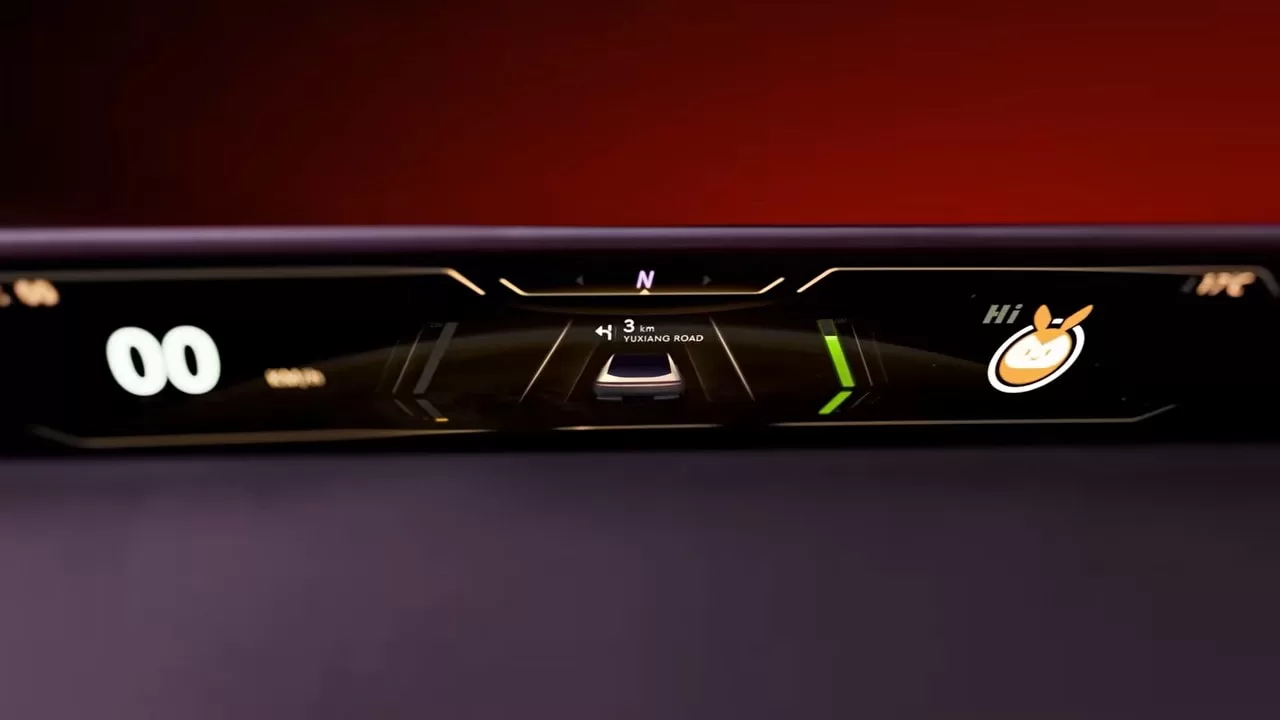
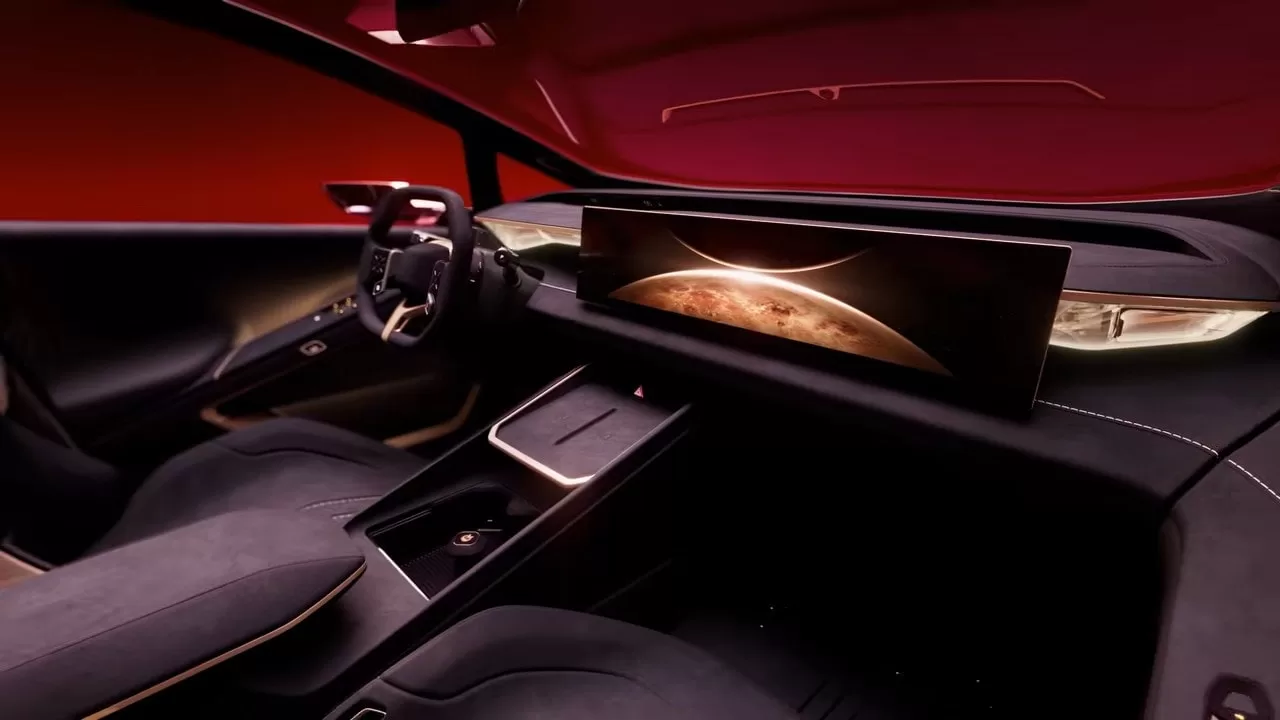
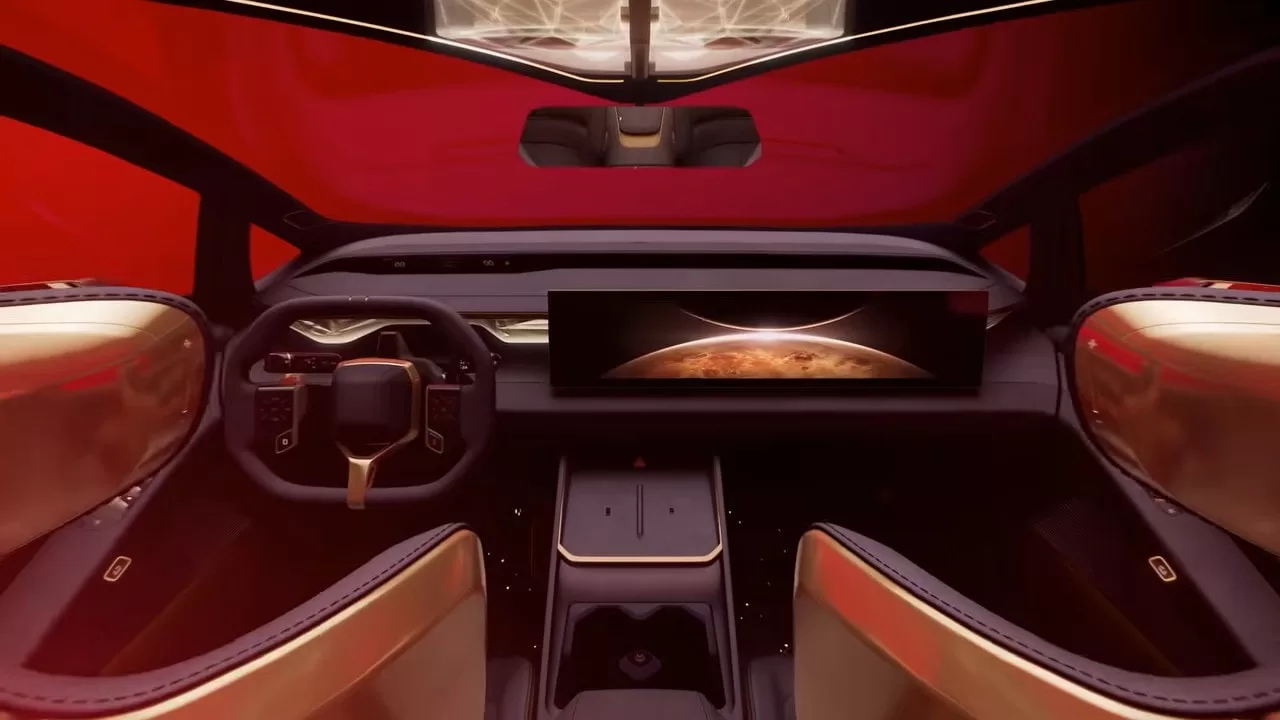
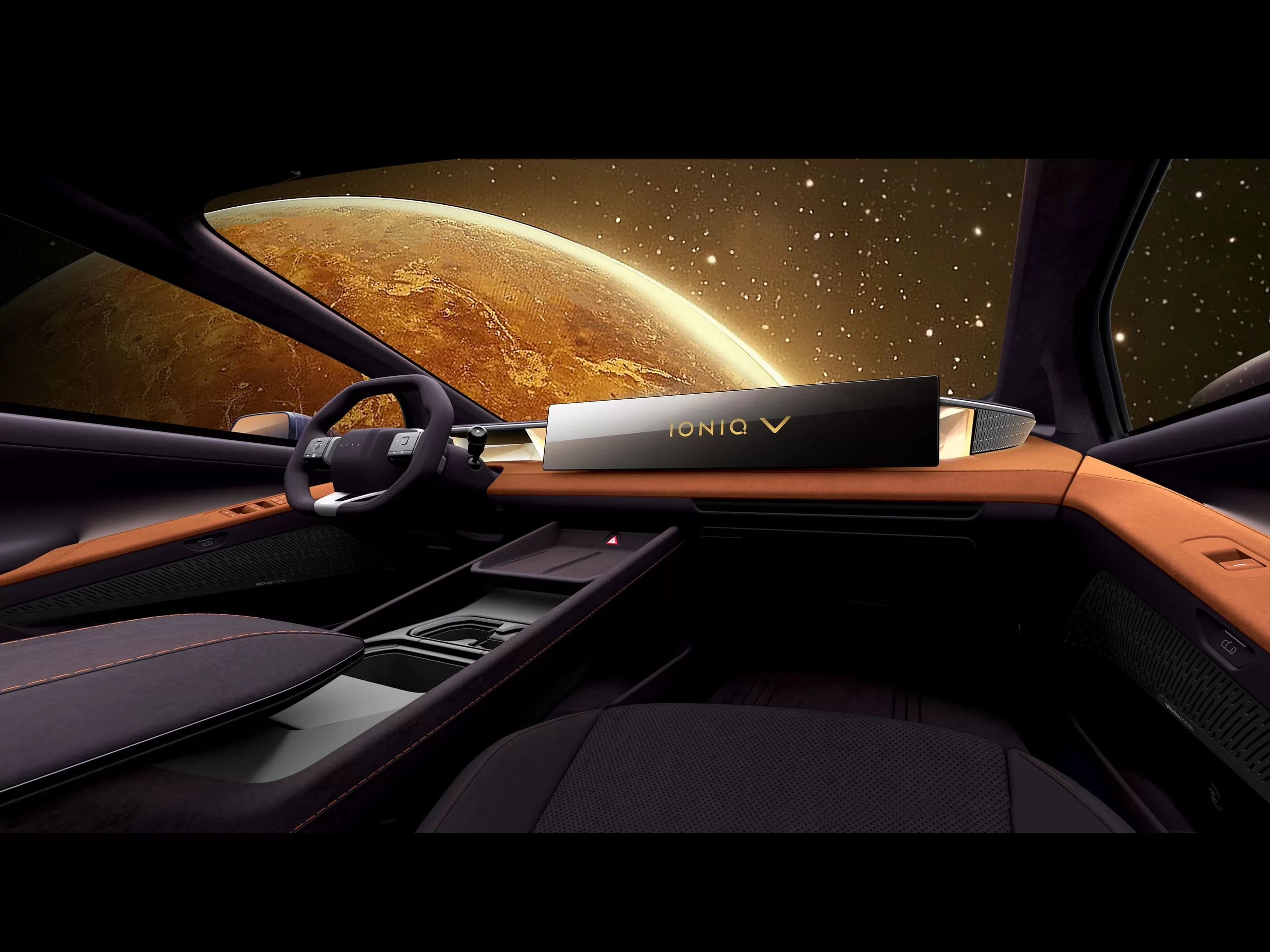
Inside, the dashboard is dominated by a 27-inch ultra-thin 4K panoramic display. A head-up display supports the main screen, and an eight-speaker sound system handles audio duties. Hyundai also confirmed a Qualcomm Snapdragon 8295-powered AI assistant, Momenta driver-assistance technologies, and nine airbags.
Range figures arrived before pricing. Under the China Light-Duty Vehicle Test Cycle, the Ioniq V reaches 373 miles, or 600 kilometers, on one charge. Hyundai did not attach a market launch date, and no price was released during the presentation.
This sedan also opens a broader industrial phase. Hyundai said twenty new models are scheduled for China during the next five years. A sport utility vehicle follows in 2027, tied in the presentation to the Earth concept. Future arrivals include battery-electric and extended-range electric products, with several staying under the Ioniq name and targeting midsize to large categories.
The industrial side already moved earlier. At the end of 2024, Hyundai strengthened ties with Beijing Automotive Group, BAIC, and formed Beijing Hyundai as a joint venture. Output plans now point toward 500,000 vehicles built locally under the strategy called “In China, For China, To Global”.
Hyundai’s CEO José Muñoz addressed the market position directly: “That is why we are tripling down on our commitment to China. With significant investments into Beijing Hyundai, 20 new models coming over the next five years, the official launch of our IONIQ brand in China and the unveiling of IONIQ V, this is the most committed, the most ambitious, and the most exciting chapter we have ever written in this market.”
He also described China as central for Hyundai because local buyers demand electric vehicles faster, supply chains run deeper, and development moves quicker there.
Hyundai Ioniq V & Venus Concept – Photo Gallery