 Eduard Huma
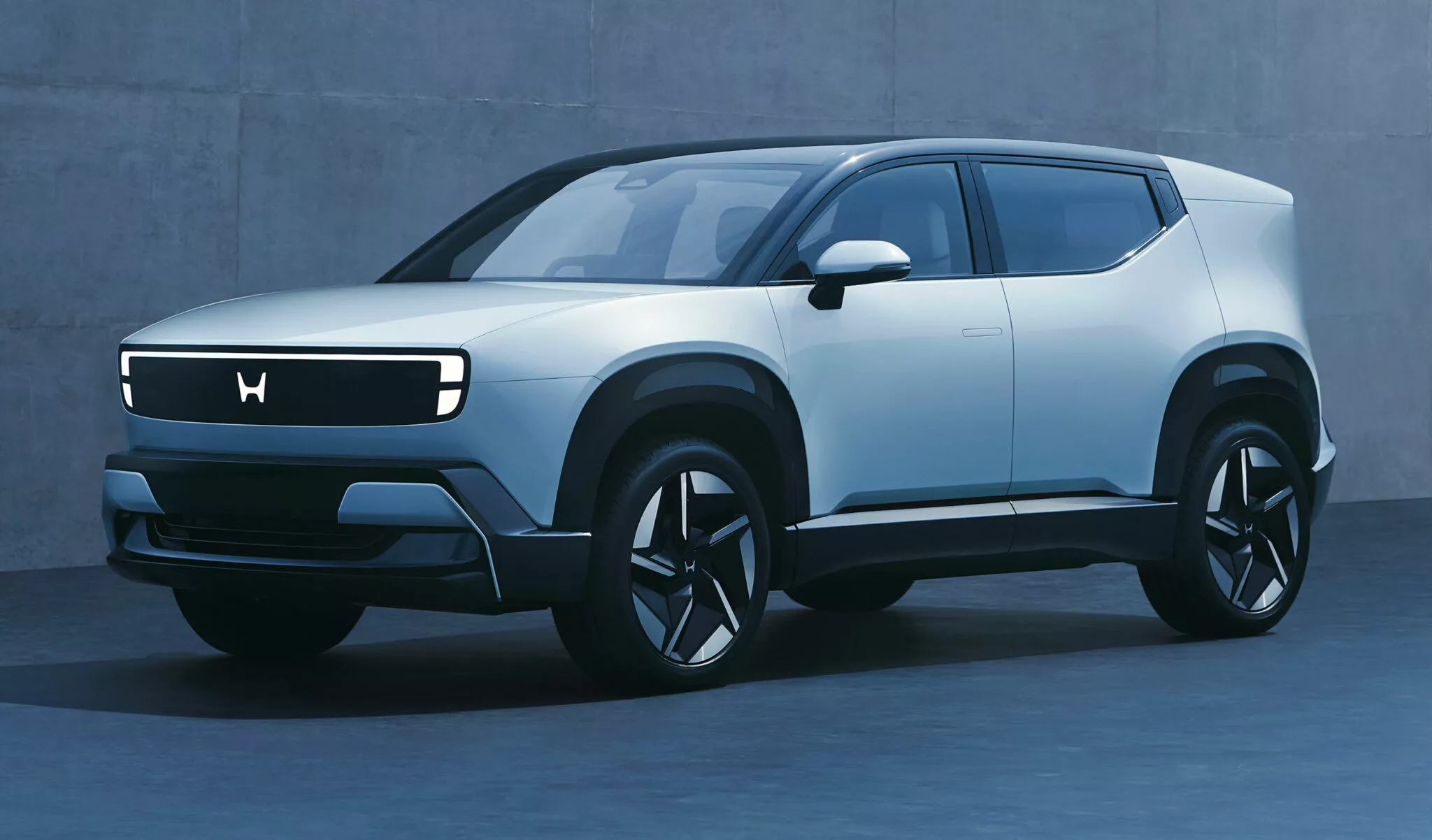
Honda is changing direction in North America. The company has paused plans for a large electric vehicle and battery project in Ontario after demand for hybrid models grew faster than expected across the United States.
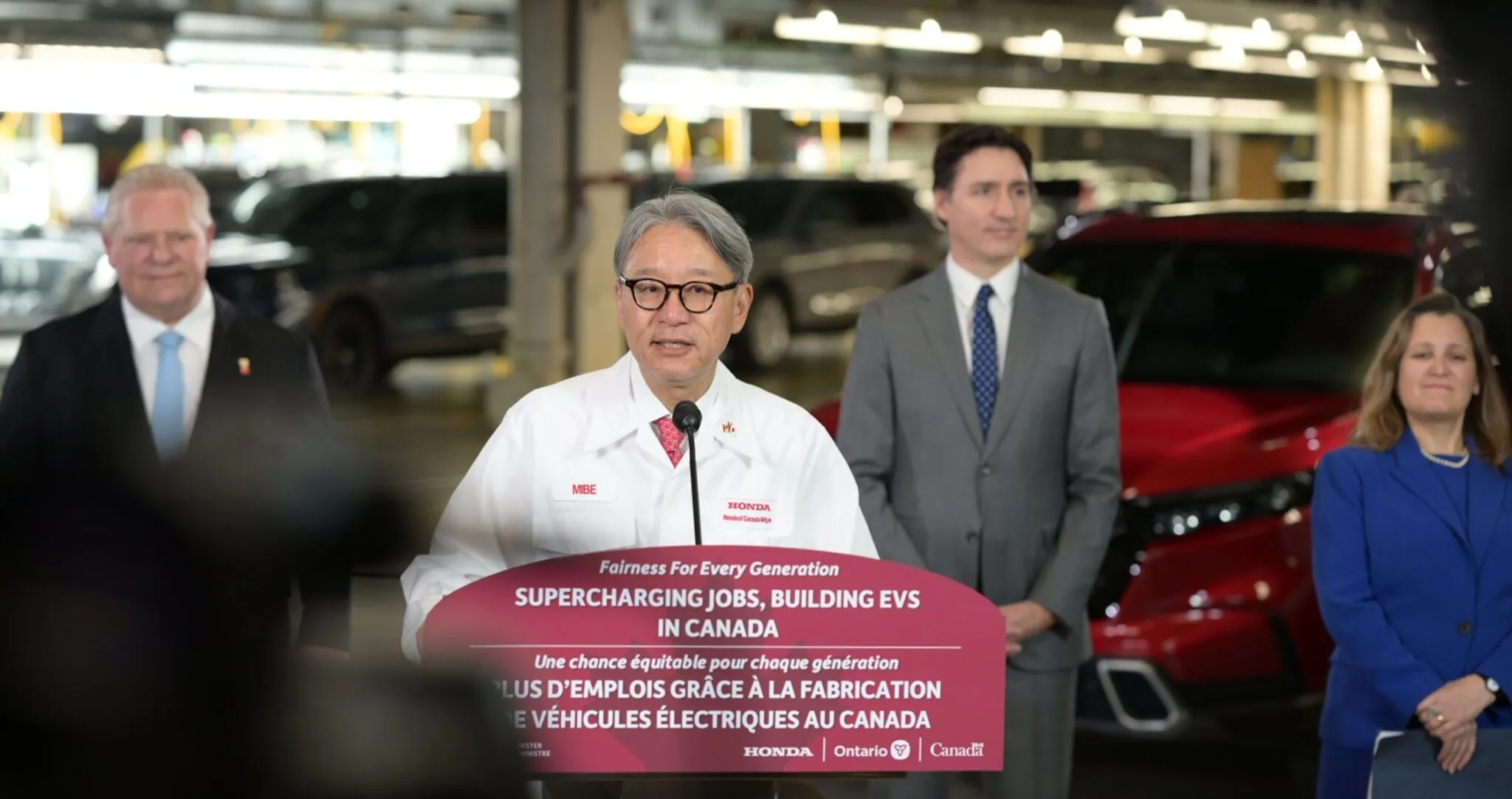
The proposed development in Alliston carried a value of $15 billion CAD, or about $11 billion USD. Honda first announced the project in 2024, presenting plans for a new electric vehicle factory together with battery production facilities. Now the automaker has decided to put the investment on hold indefinitely while reviewing market conditions, according to Nikkei Asia.
The move does not arrive out of nowhere. Honda already pushed the timeline back once before. In May 2025, the company delayed the project by another two years, even after securing financial assistance from Canada and purchasing land connected to the expansion.
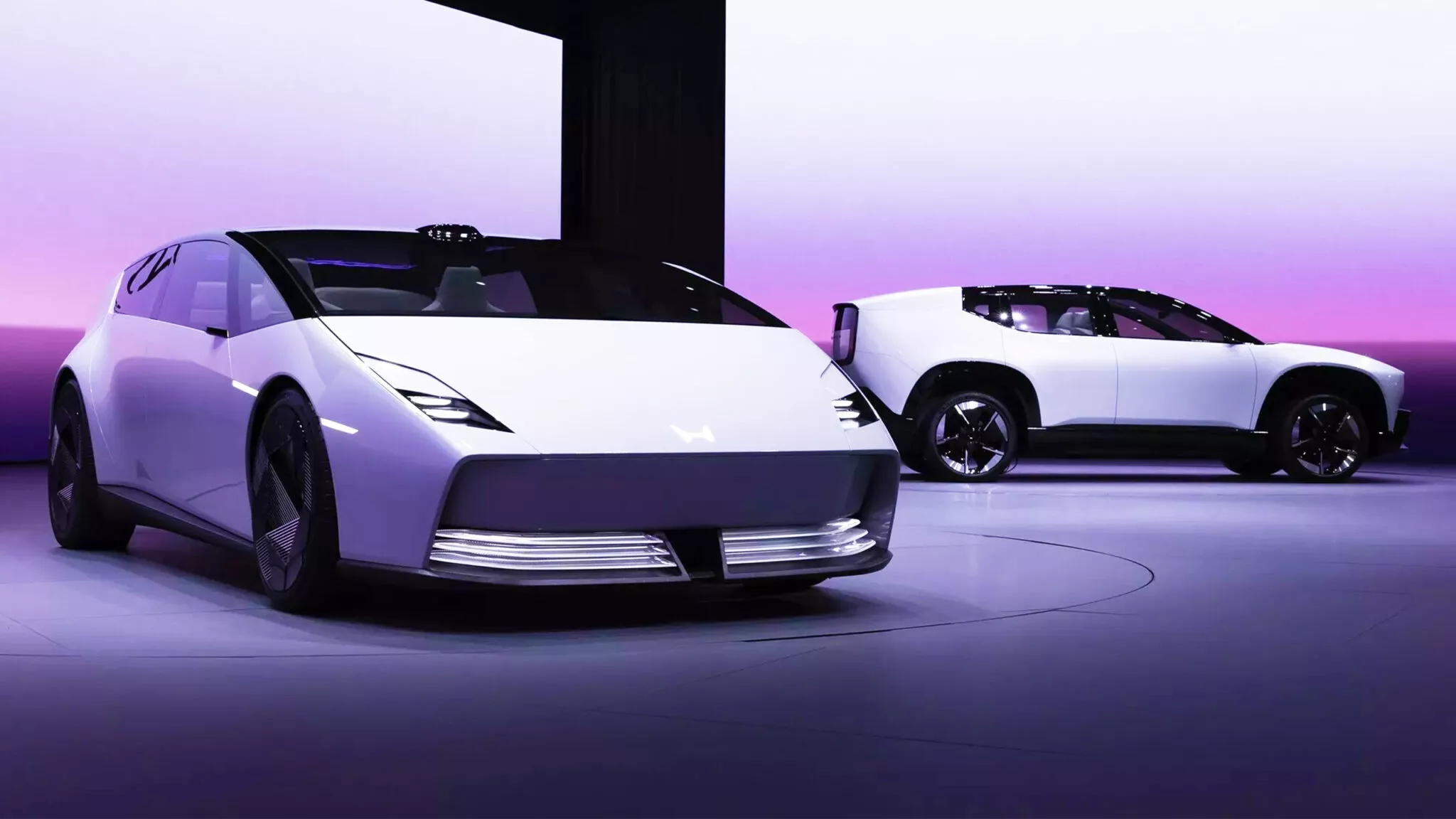
For the moment, production of the Civic and CR-V at Honda’s existing Alliston operation continues unchanged. That plant has been active since 1986.
North America’s electric vehicle market looks different today compared to what manufacturers expected not long ago. Buyers have slowed down their transition toward fully electric models, while hybrids continue attracting steady interest. Honda appears ready to respond to that shift instead of forcing a faster transition.
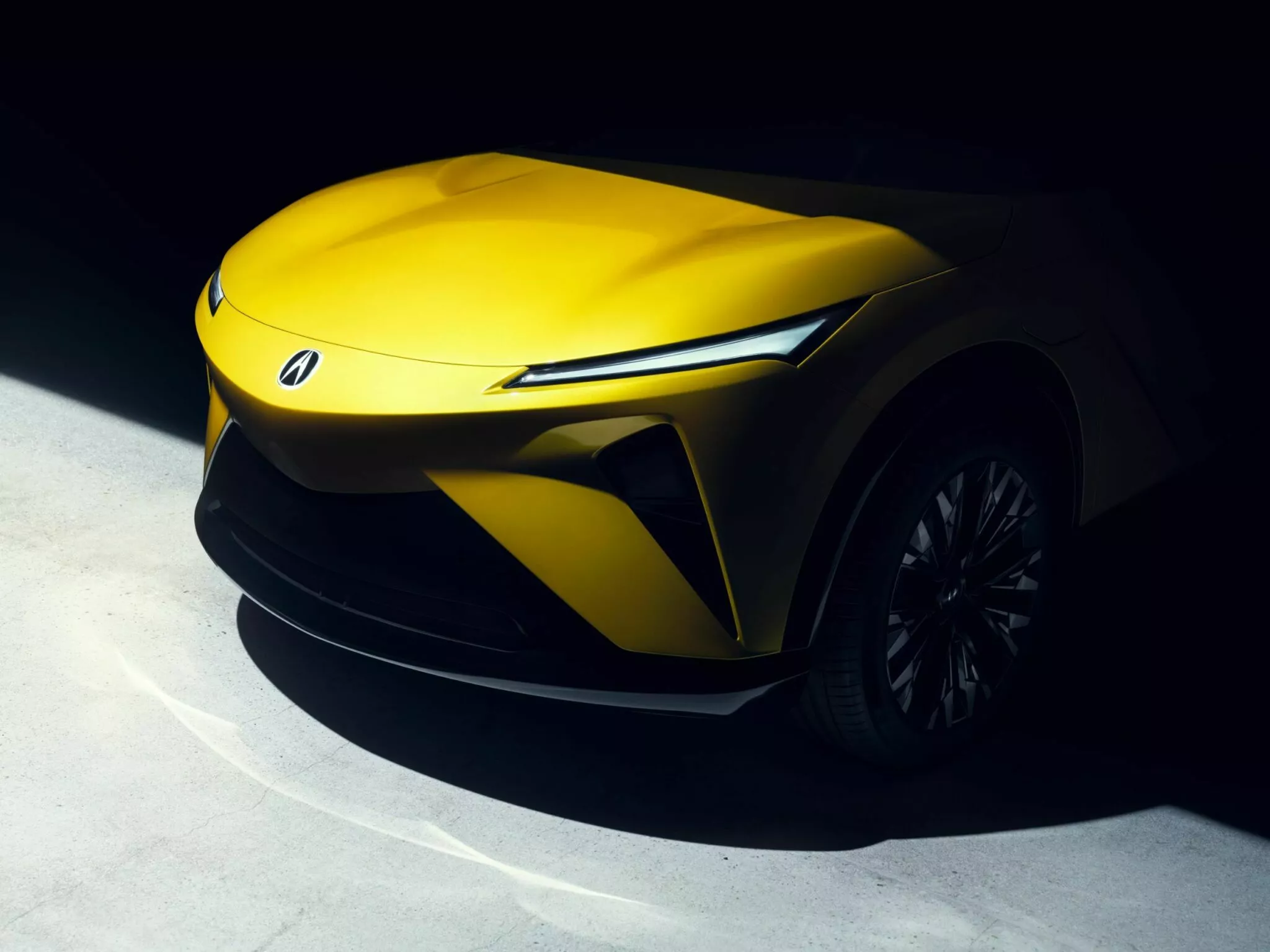
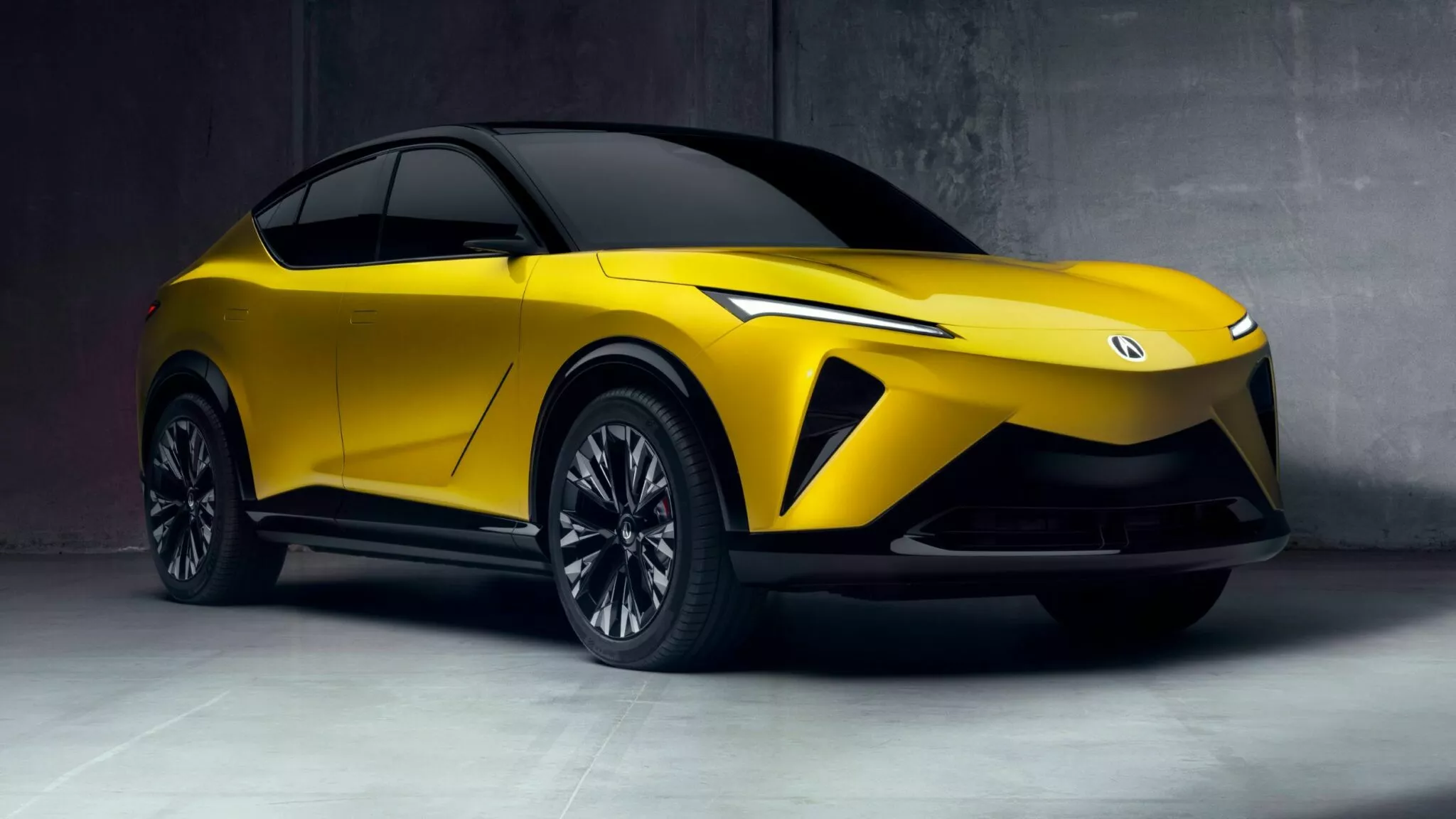
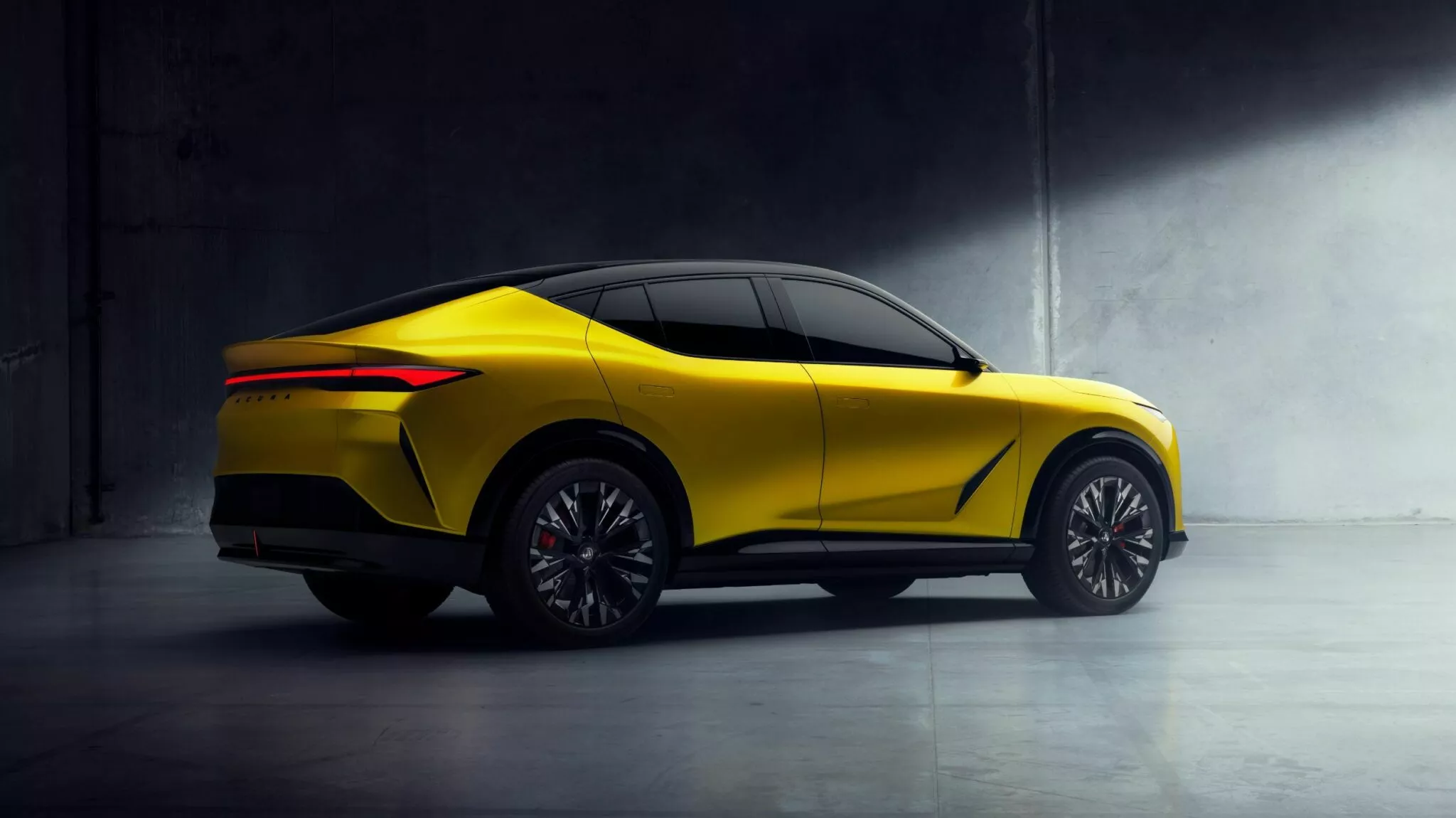
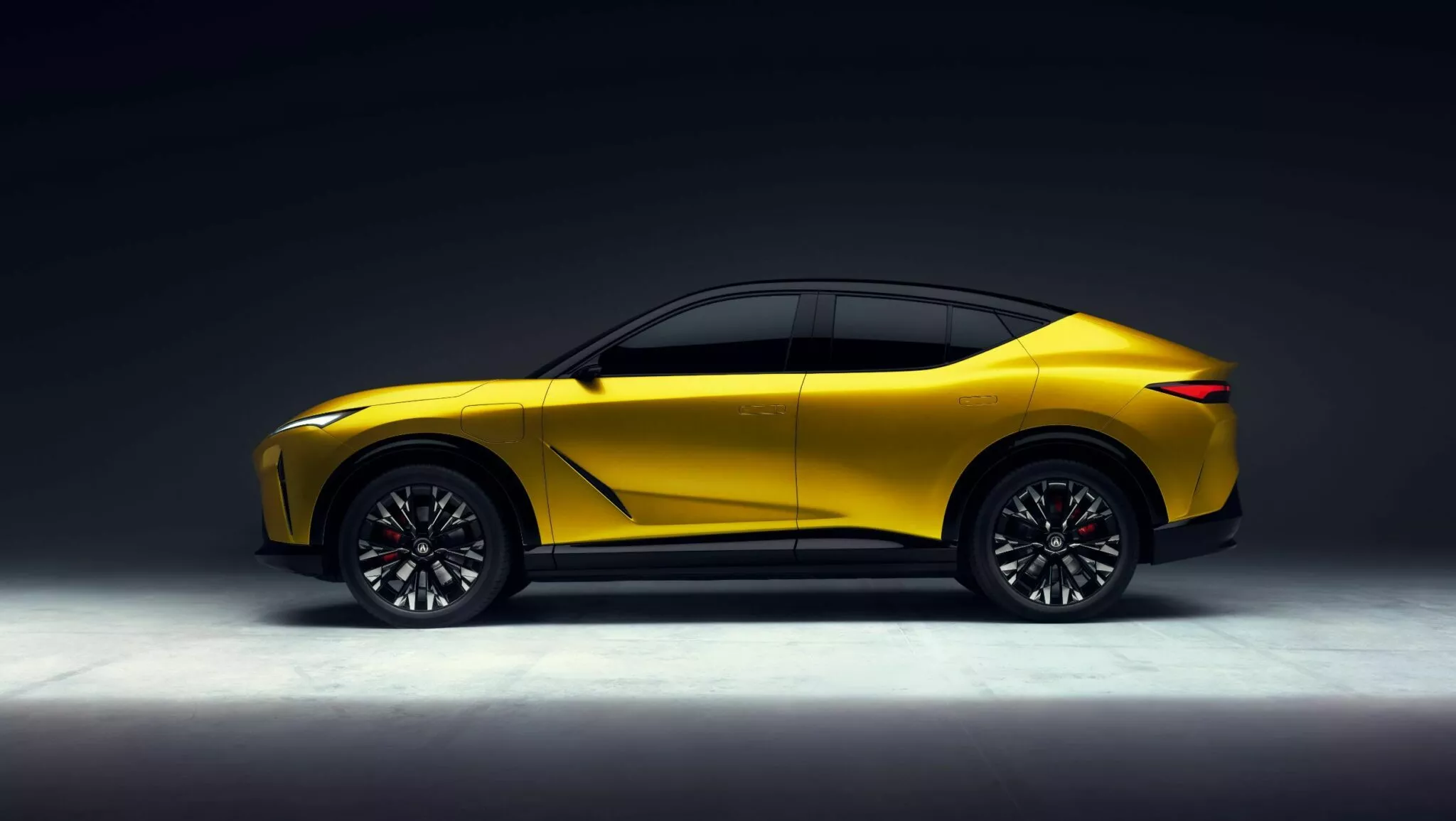
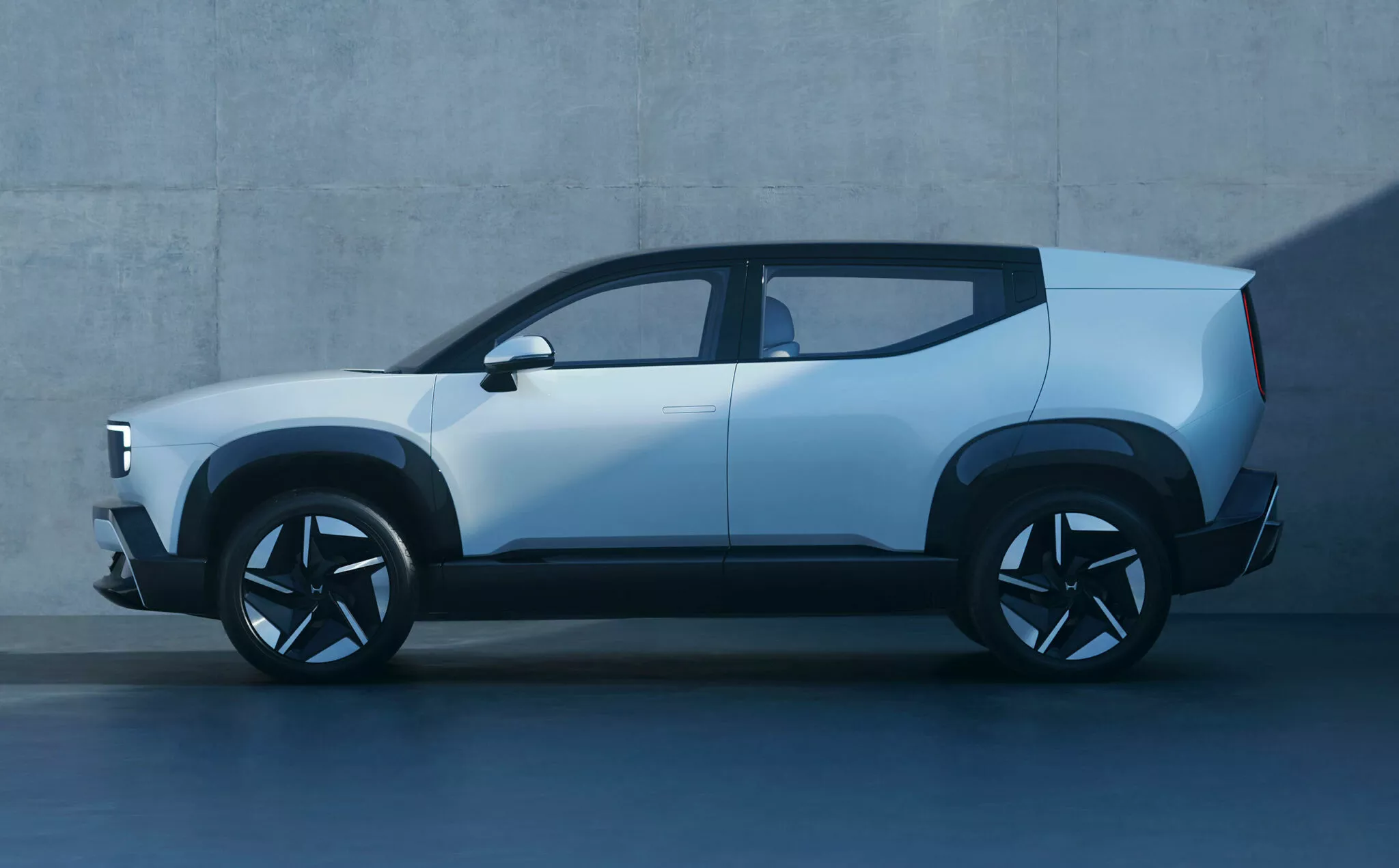
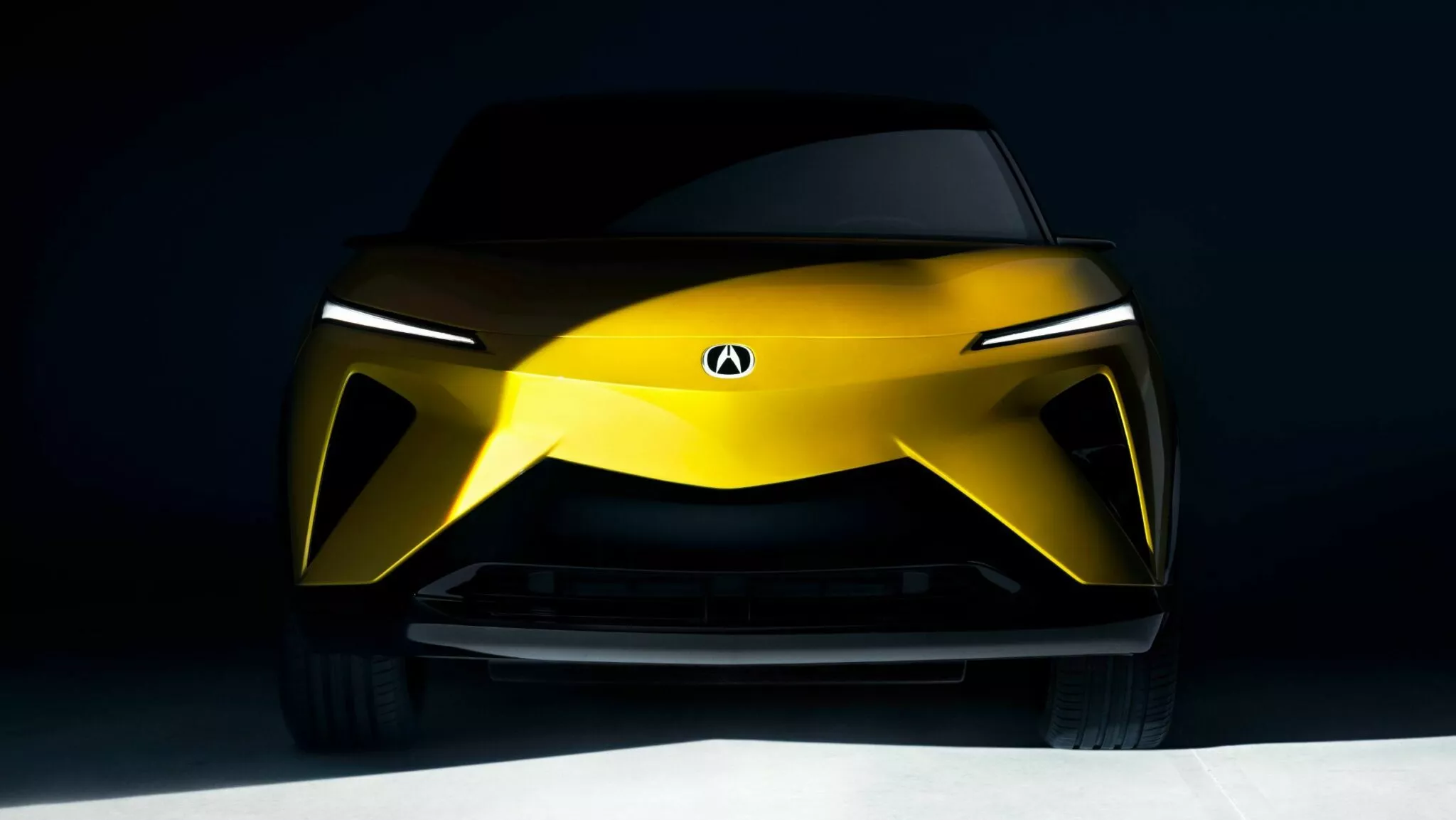
The company has already started trimming parts of its EV program. Honda is gradually ending the Prologue EV program developed with General Motors. Earlier in 2026, three Honda and Acura electric vehicles planned for North American buyers were scrapped even though development work had reached advanced stages. Honda and Sony also stepped away from plans tied to the Afeela electric brand.
There is another issue in the background. Policy changes in the United States have complicated the situation for large EV investments.
Federal incentives supporting electric vehicles have disappeared, making battery-powered models more expensive for consumers. Efficiency regulations have also loosened, reducing pressure on automakers to prioritize EV programs. Add trade uncertainty between Canada and the United States, and large manufacturing projects start looking far riskier.
Industry Minister Melanie Joly addressed the situation publicly. She stated, “American tariffs and changes to US domestic policies are creating real pressures for automakers, prompting some to delay or scale back investments in electric vehicle and battery projects.”
Honda is not abandoning electrification entirely. The company still operates flexible production facilities in Ohio after spending $1 billion on upgrades there. Those lines are capable of producing gasoline, hybrid, or electric models depending on market demand.
Still, the company’s short-term direction has become easier to read. Hybrids are moving closer to the center of Honda’s North American strategy while several electric vehicle programs quietly move into the background.
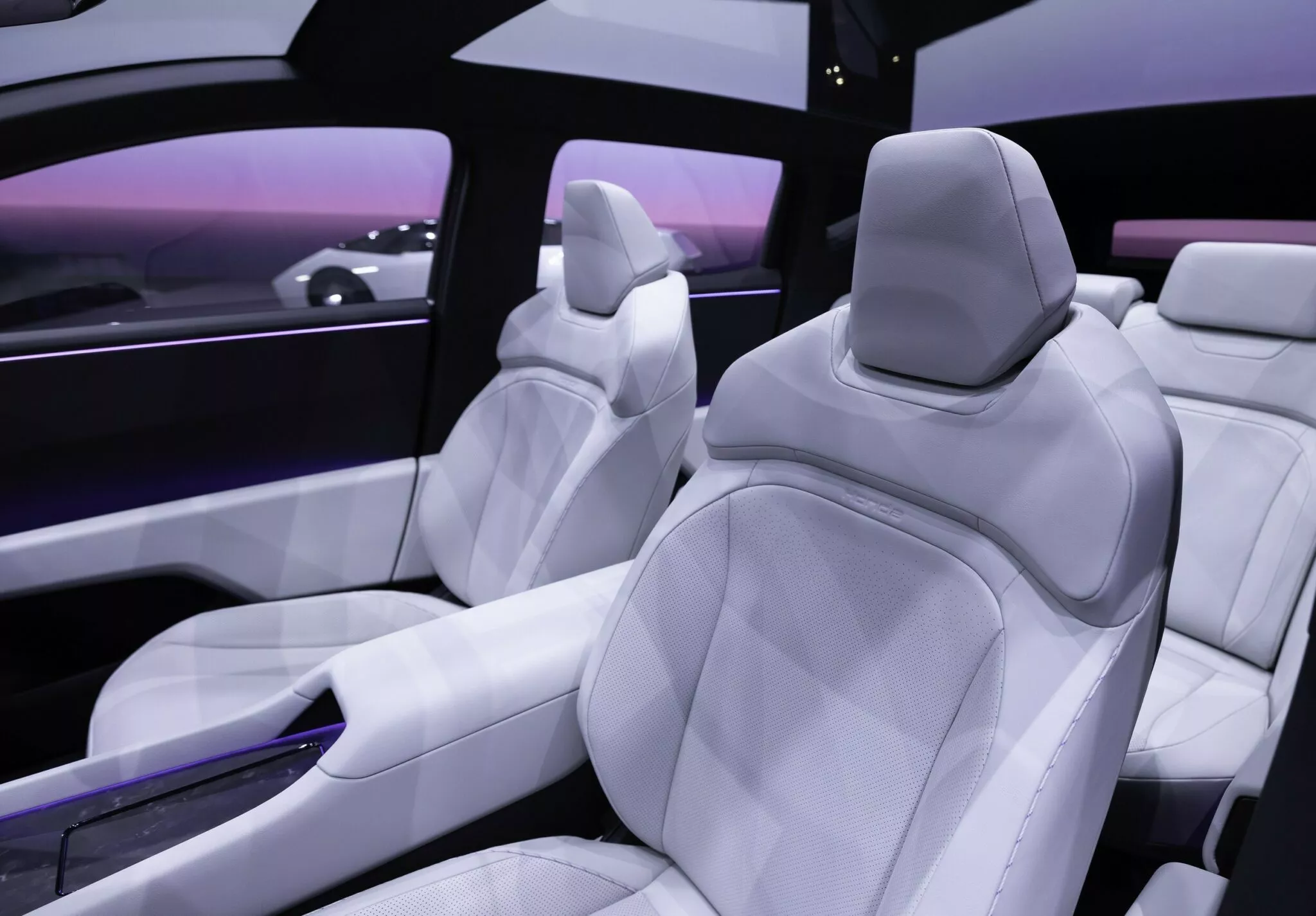
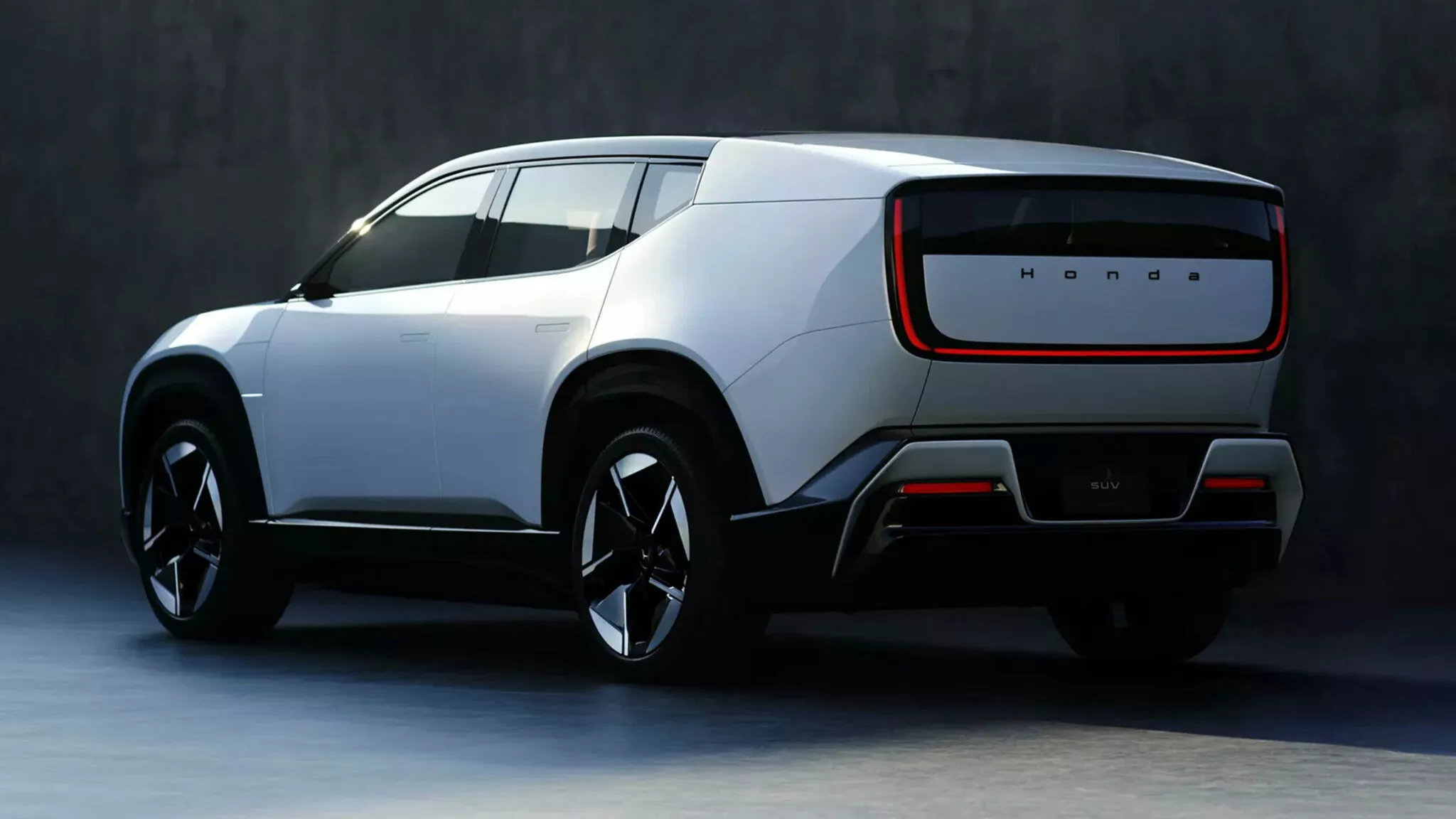
Honda EV Prototypes – Photo Gallery