 Eduard Huma
Independent American car brands once filled showrooms across the country, yet many of them faded long before the modern collector market took shape. Nash belongs to that group. The company disappeared decades ago, and surviving examples in strong condition have become difficult to spot, especially full-size models from the early-1950s period.
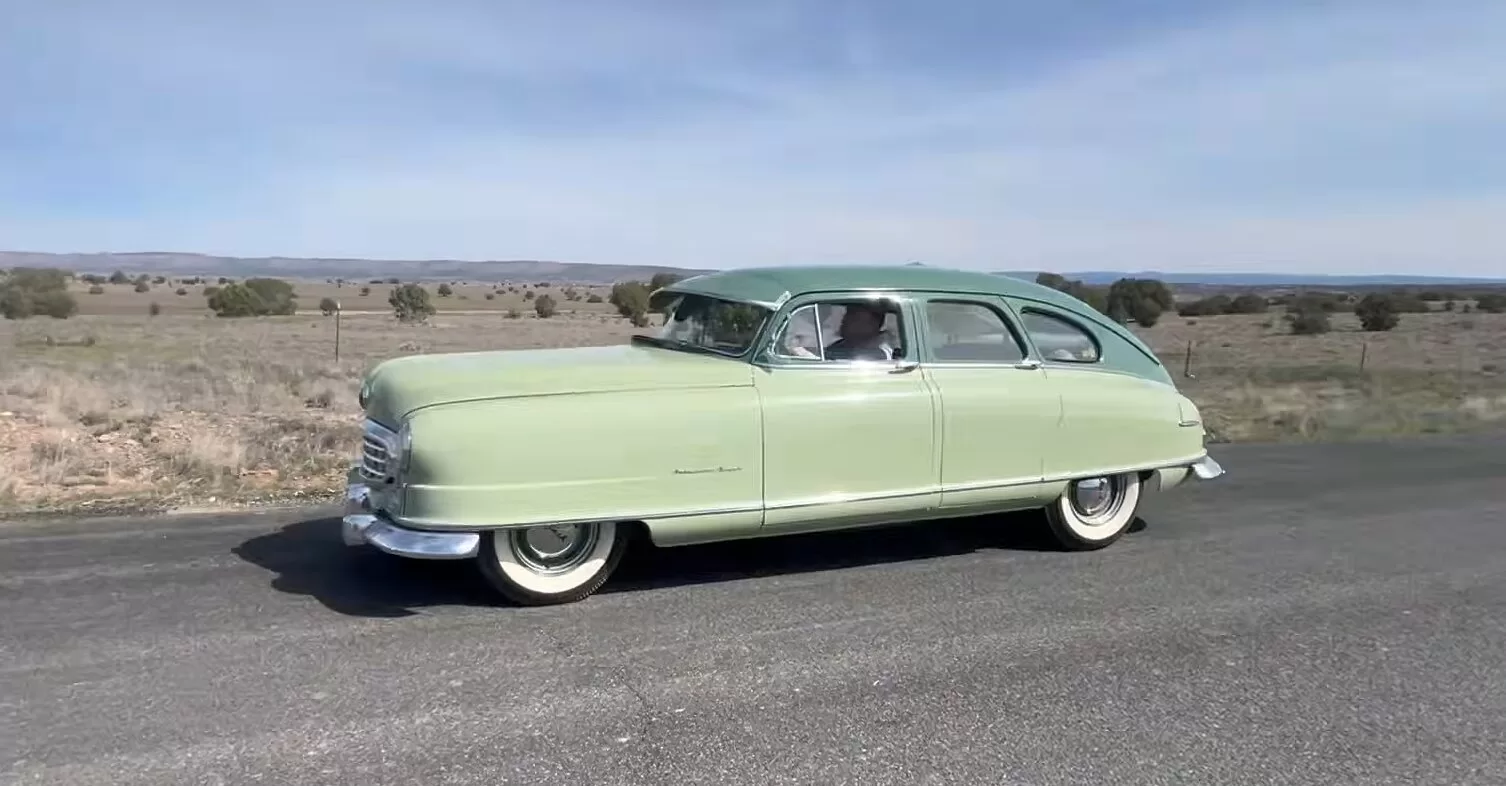
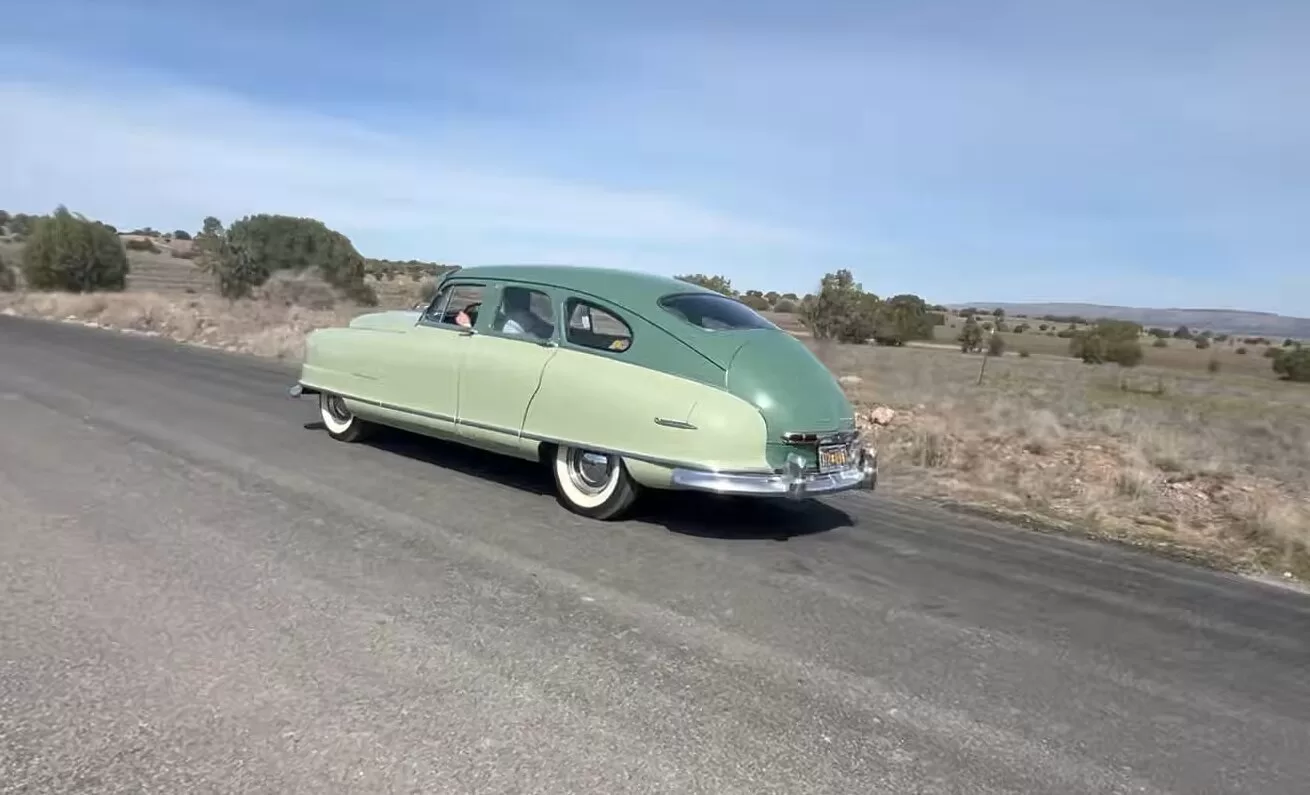
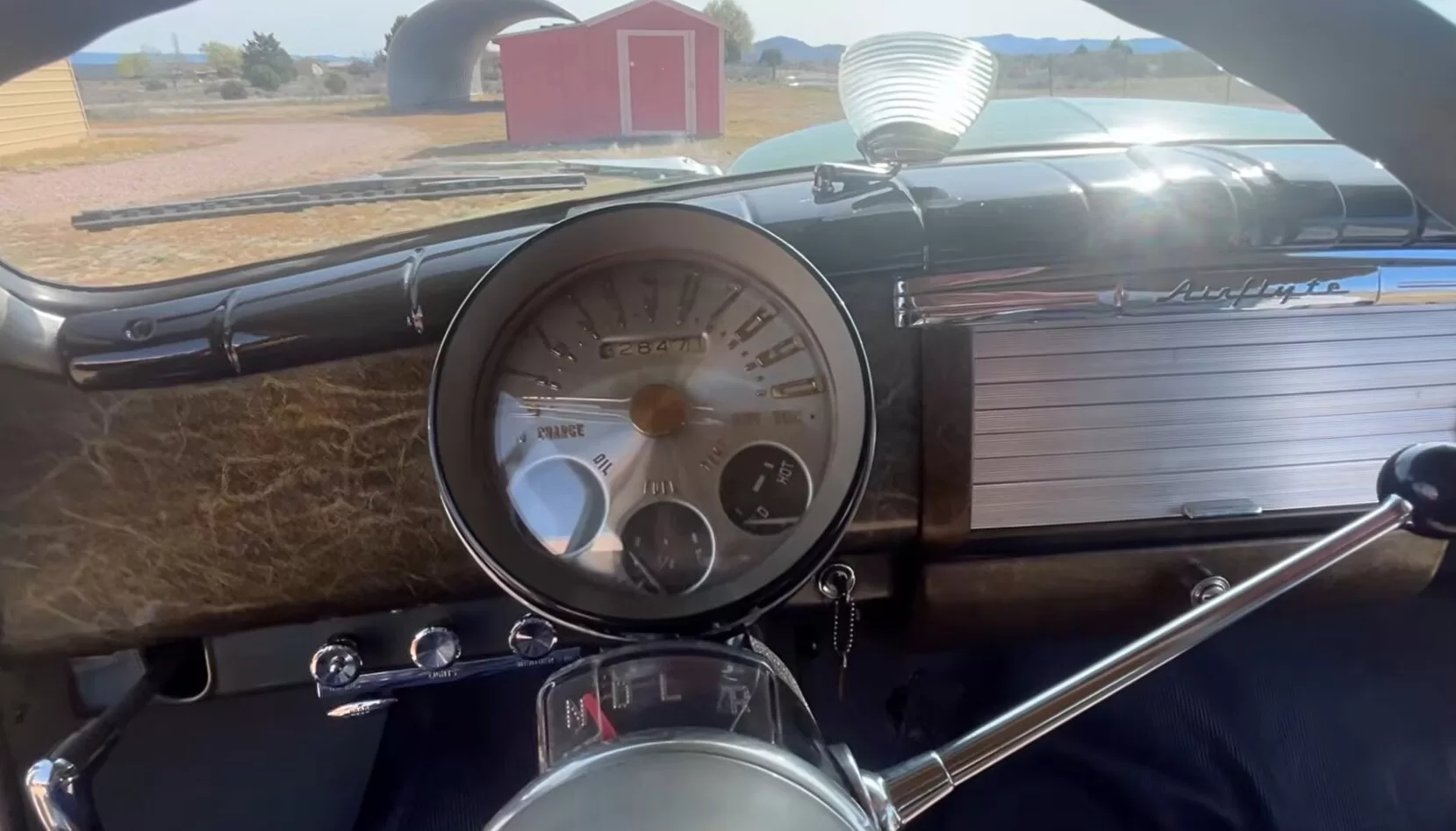
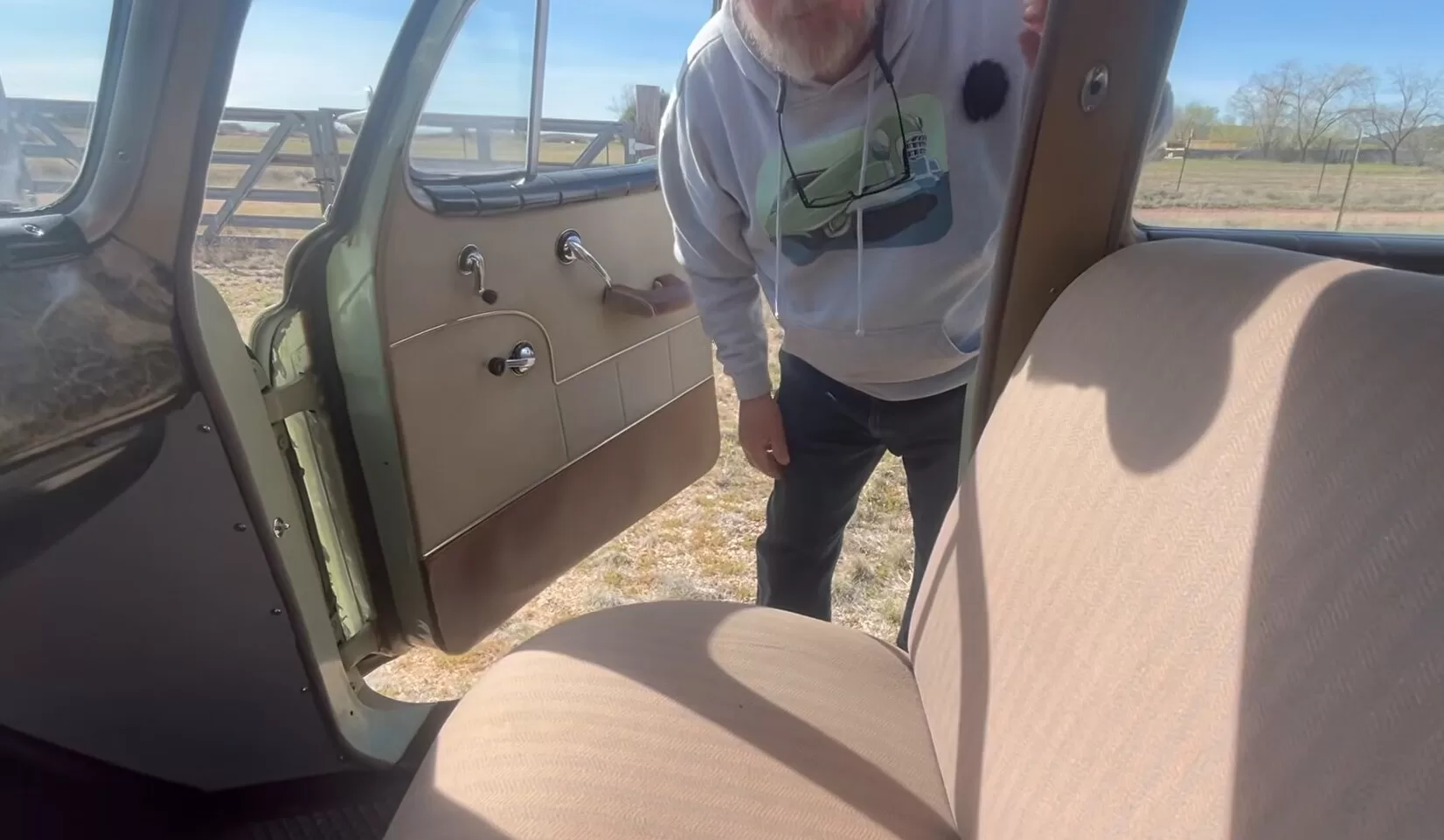
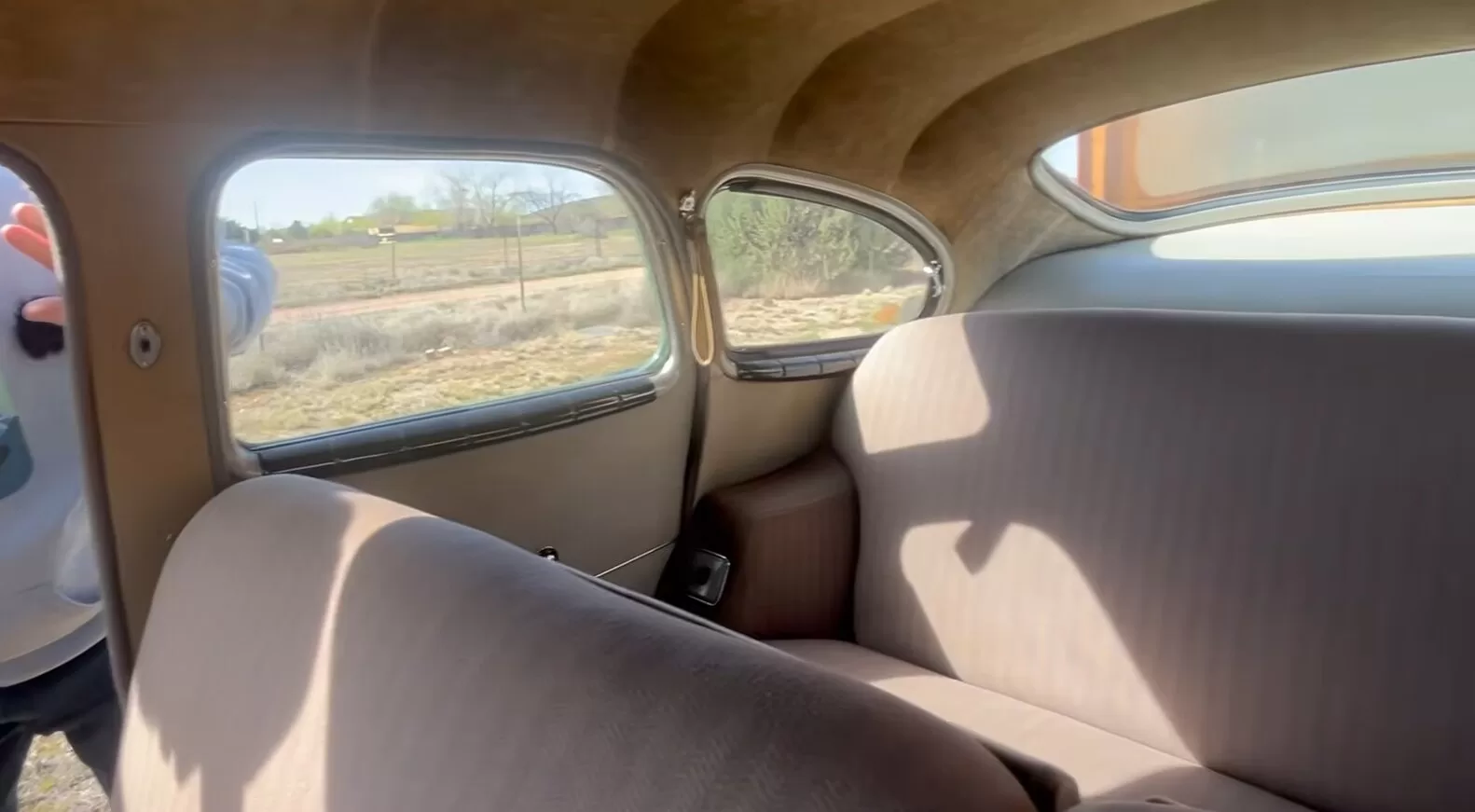
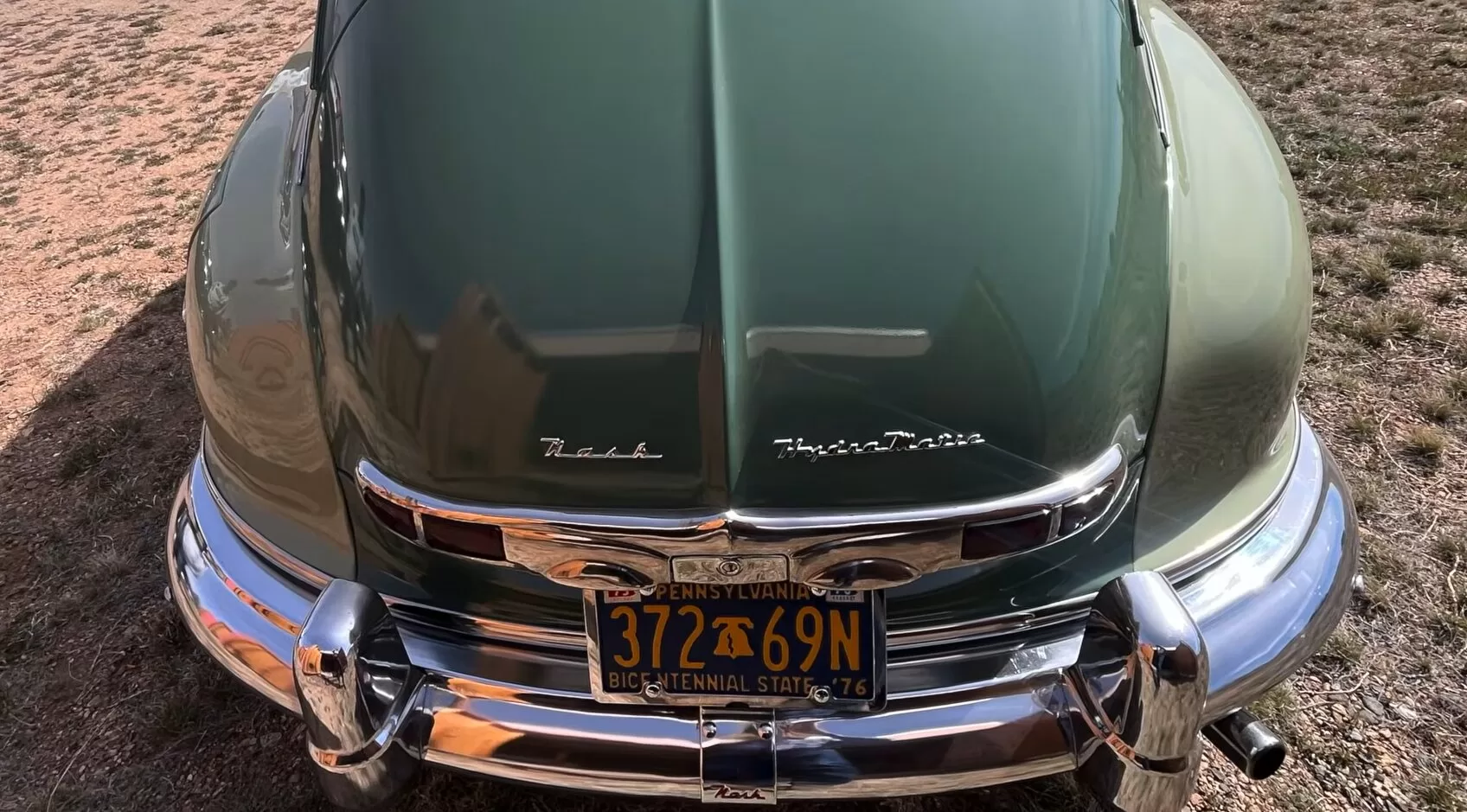
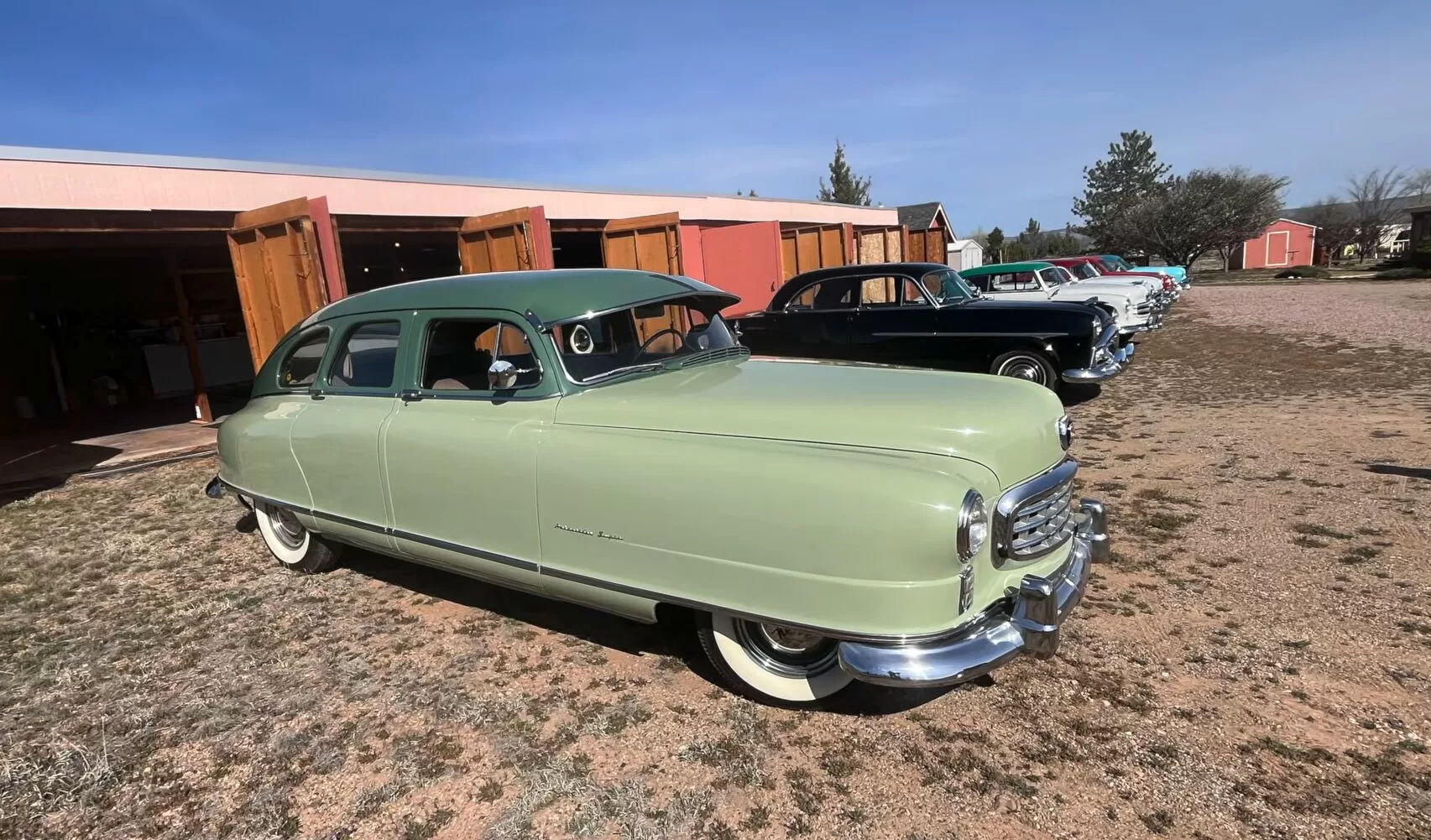
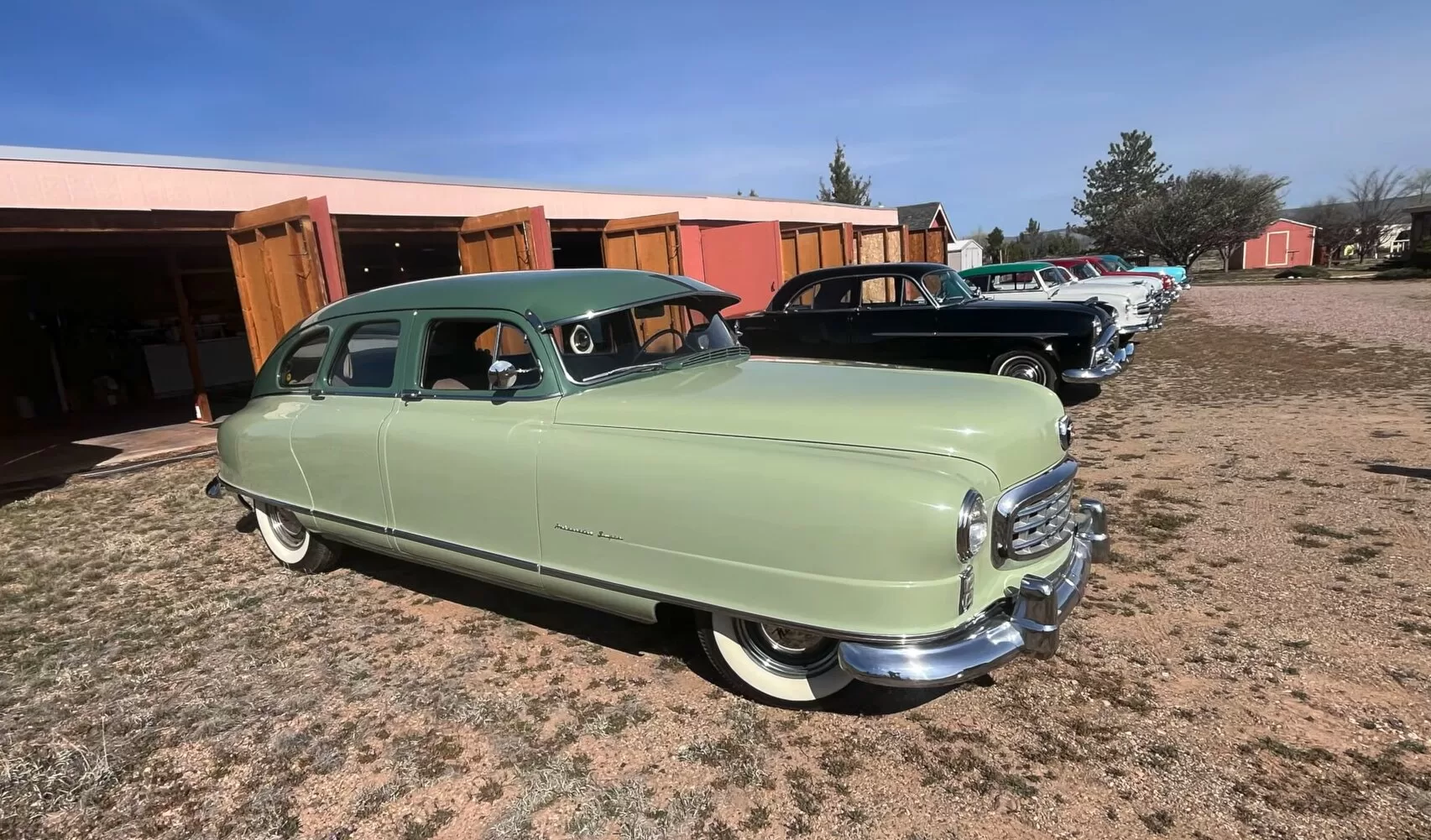
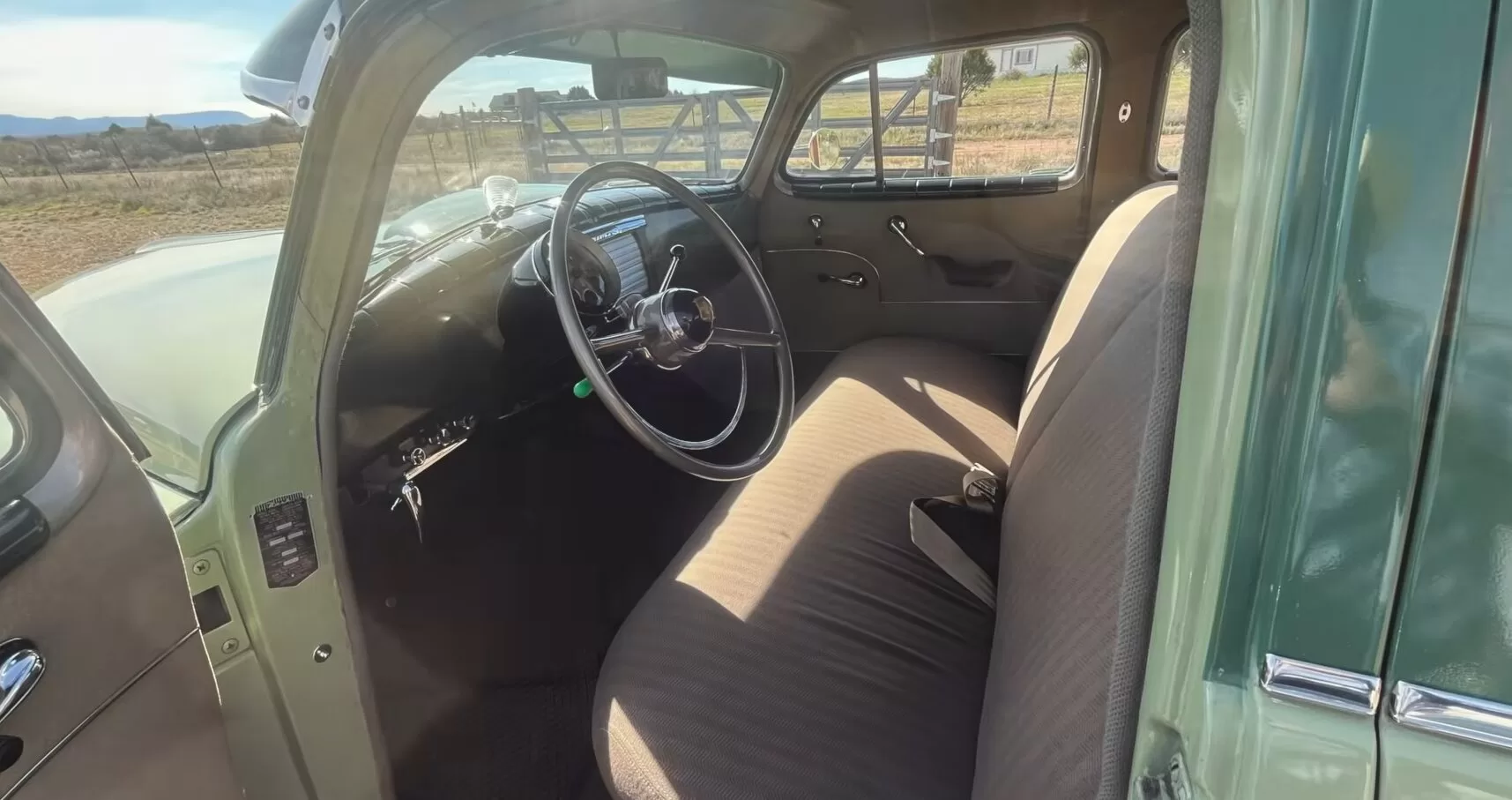
One preserved sedan from that era still survives with unusually little alteration. The 1950 Nash Ambassador owned by Frank Green carries only one repaint completed years ago in the proper factory colors. Beyond that, the sedan still keeps its original interior, along with a numbers-matching drivetrain. The odometer shows 32,000 miles, or 51,499 km.
Nash Motors began operations in Kenosha, Wisconsin, in 1916 under Charles W. Nash, a former president of General Motors. The company later merged with Kelvinator in 1937. Another major change followed in 1954, when Nash-Kelvinator joined Hudson to create American Motors Corporation. Nash itself disappeared in 1957.
Long before the brand vanished, the company introduced several unusual ideas. Weather Eye arrived in 1938 as a ventilation system designed to heat and filter incoming outside air. Nash later introduced what was described as the first affordable, fully integrated heating and air-conditioning setup in 1954. Back in 1941, the company also launched the first American mass-produced unibody automobile.
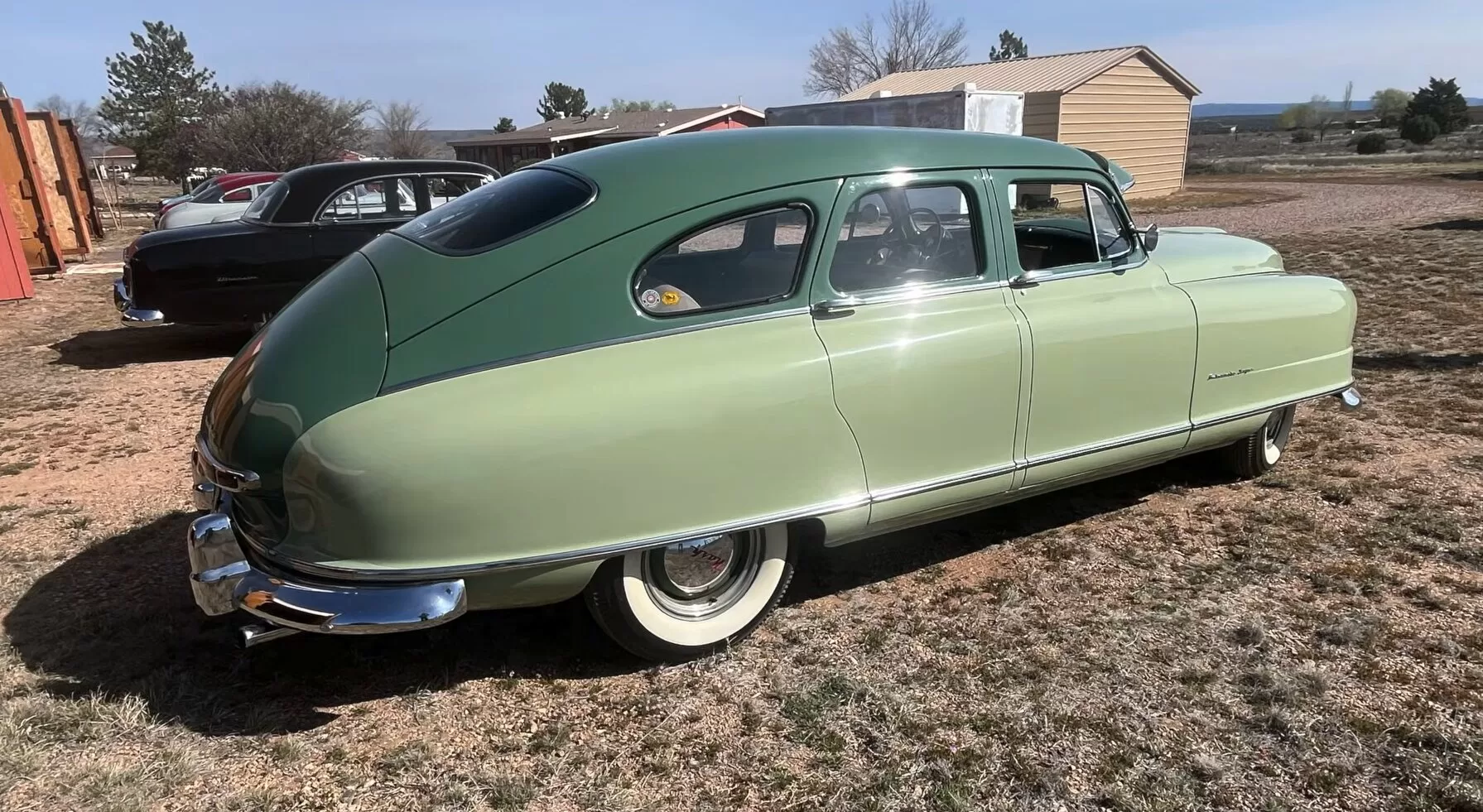
The Ambassador stood at the top of the Nash lineup. The name first appeared in 1927 before becoming a separate model series in 1932. A major redesign followed in 1949, marking the first significant update after production restarted following World War 2. Nash gave the sedan unibody construction and a rounded body shape with enclosed front wheels. People nicknamed the car the “bathtub Nash,” though another label, “Kenosha Duesenberg,” pointed toward the soft ride and upscale interior treatment.
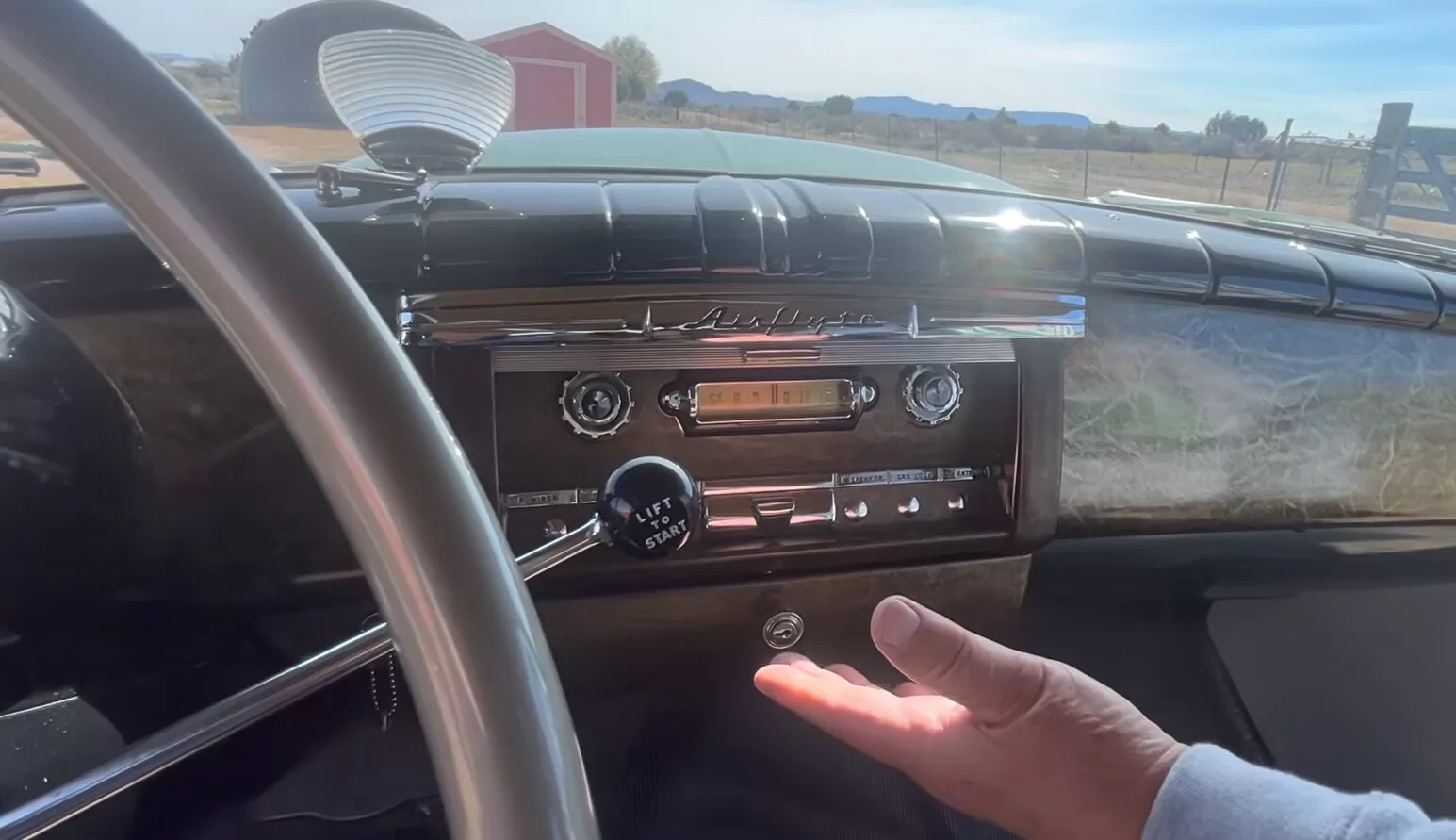
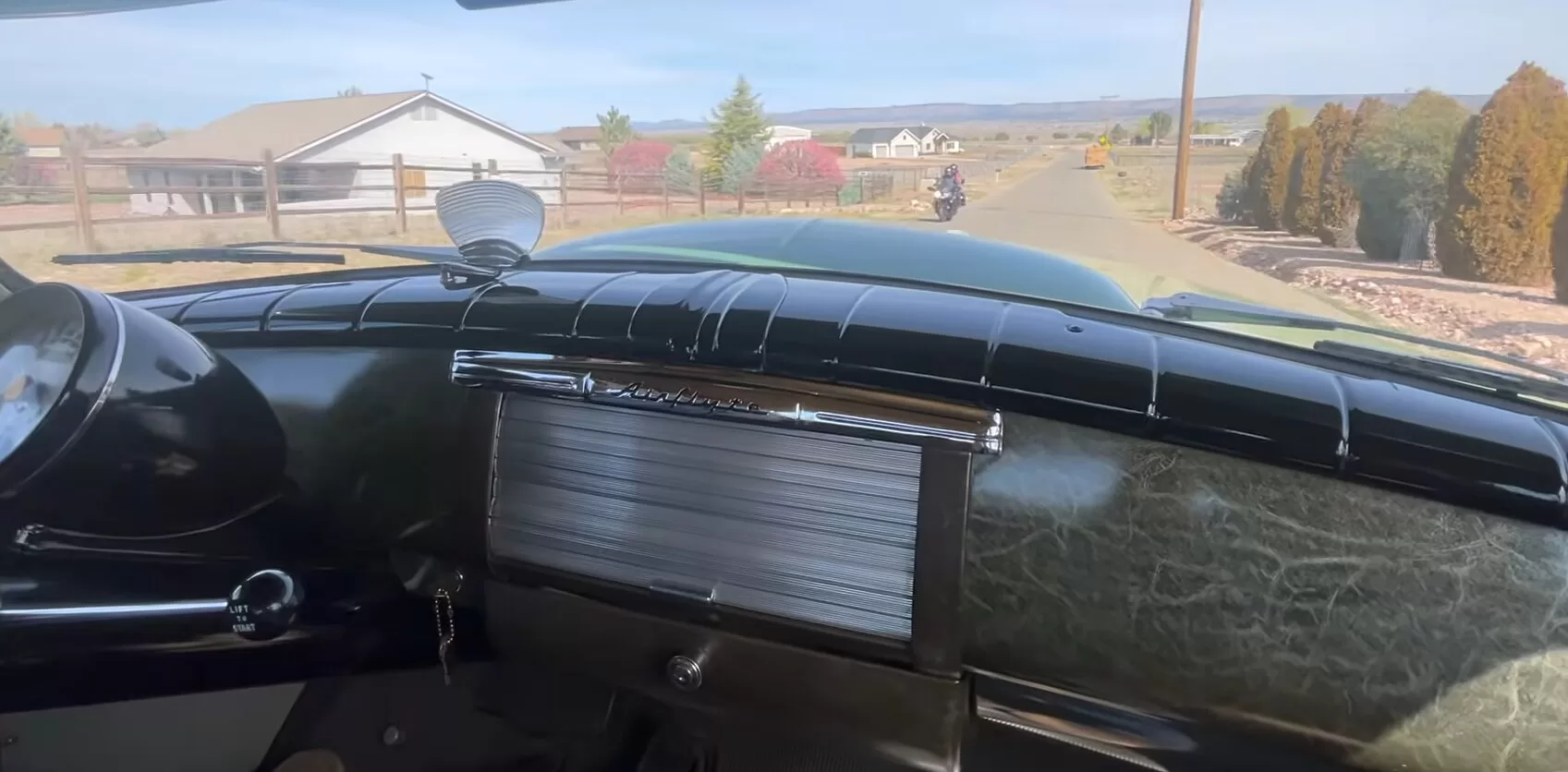
Inside, Nash fitted the Ambassador with several unusual features. The Uniscope gauge pod sat directly on the steering column. Some dashboard controls stayed hidden behind a roll-top center section. The front seats reclined fully and transformed the cabin into a full-size bed. Nash even offered an air mattress. Camping fans noticed.
Power came from a 235-cubic-inch inline-six engine rated at 112 horsepower. Nash paired the engine with a three-speed manual transmission. Buyers had to wait until 1951 for an automatic option.
Around 49,000 Ambassadors left factories in 1950. Few escaped junkyards, barns, or neglect. Frank Green’s sedan did.
1950 Nash Ambassador – Photo Gallery