 Eduard Huma
Electric-car development has spent years following a fairly predictable formula. If customers want more range, give them a bigger battery.
Volkswagen’s new Mission Efficiency takes the opposite approach.
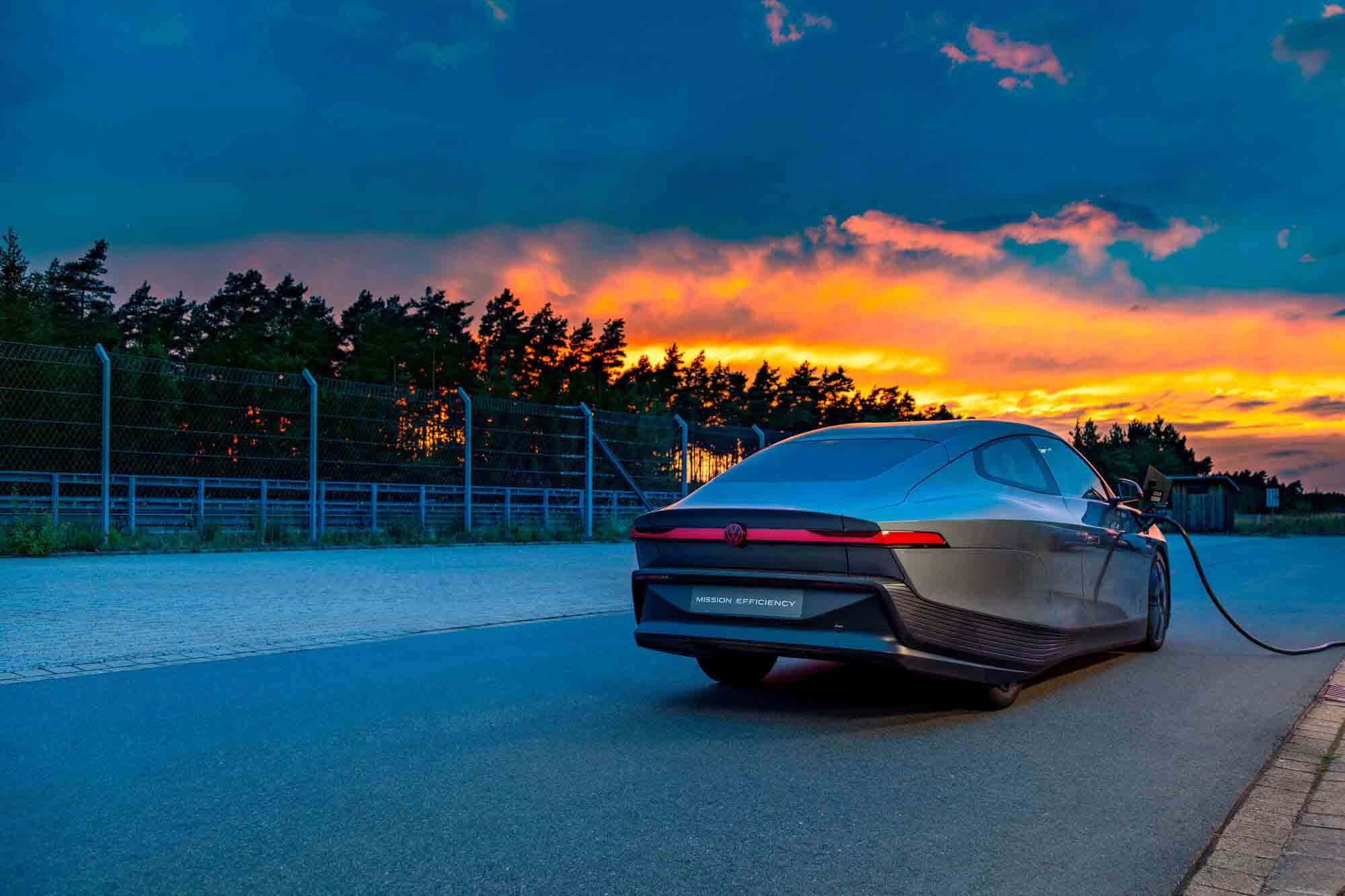
The experimental EV recently completed a 1,278-kilometer journey from Wolfsburg to Vienna with an average consumption of just 6.89 kWh/100 km, excluding charging losses. Including those losses, the figure was still only 7.51 kWh/100 km. More surprisingly, Volkswagen achieved it using a battery with just 54.9 kWh of usable capacity.
That changes the usual range conversation considerably
Mission Efficiency isn’t simply a laboratory shell built around exotic technology. Its 99-kW, or 135-hp, electric motor and much of its underlying MEB+ technology are related to components used by the new ID. Polo. Volkswagen says the prototype was deliberately created to show what can be achieved by reducing the amount of energy a car needs rather than continually increasing how much energy it carries.
Aerodynamics do much of the work.
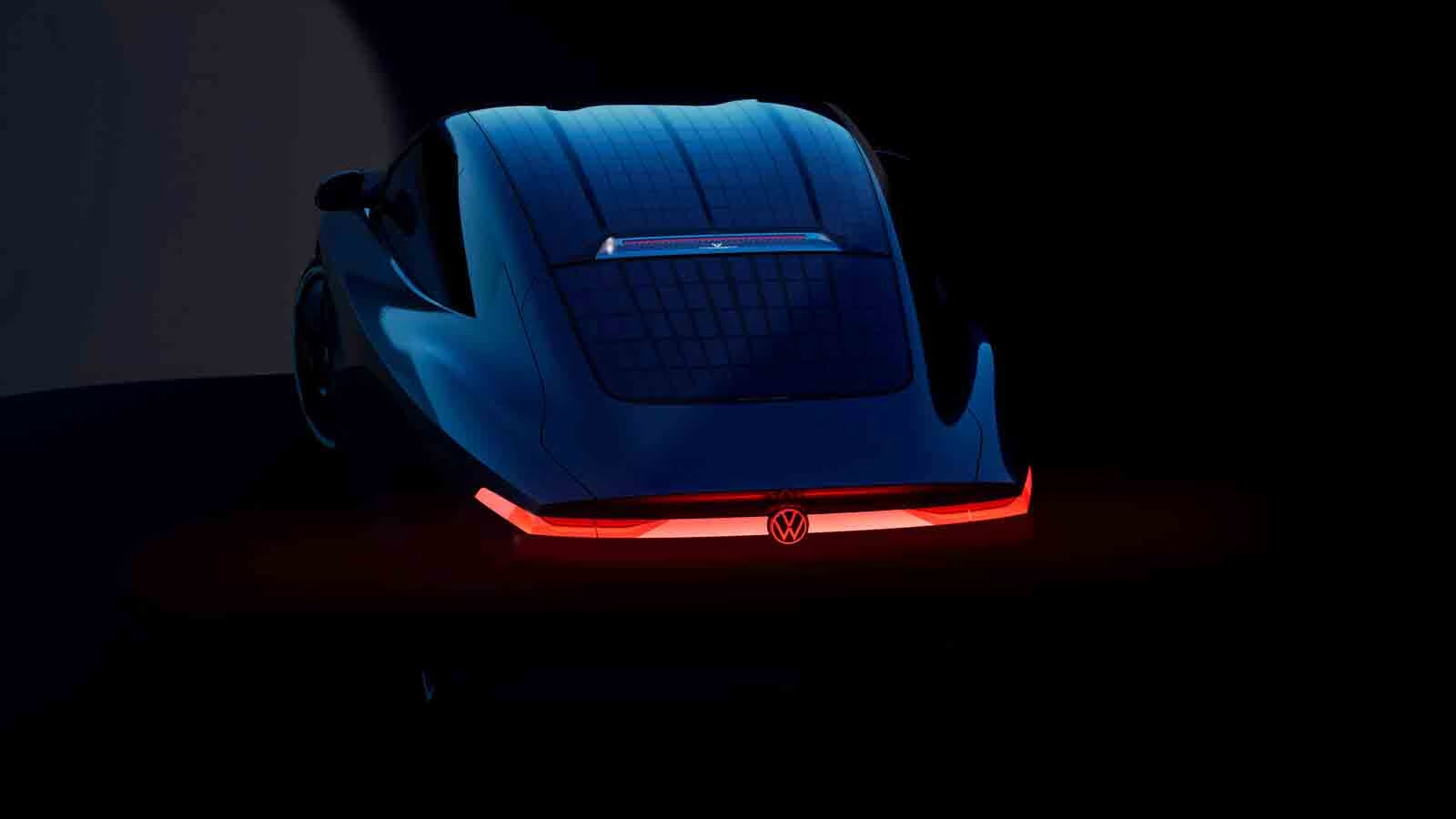
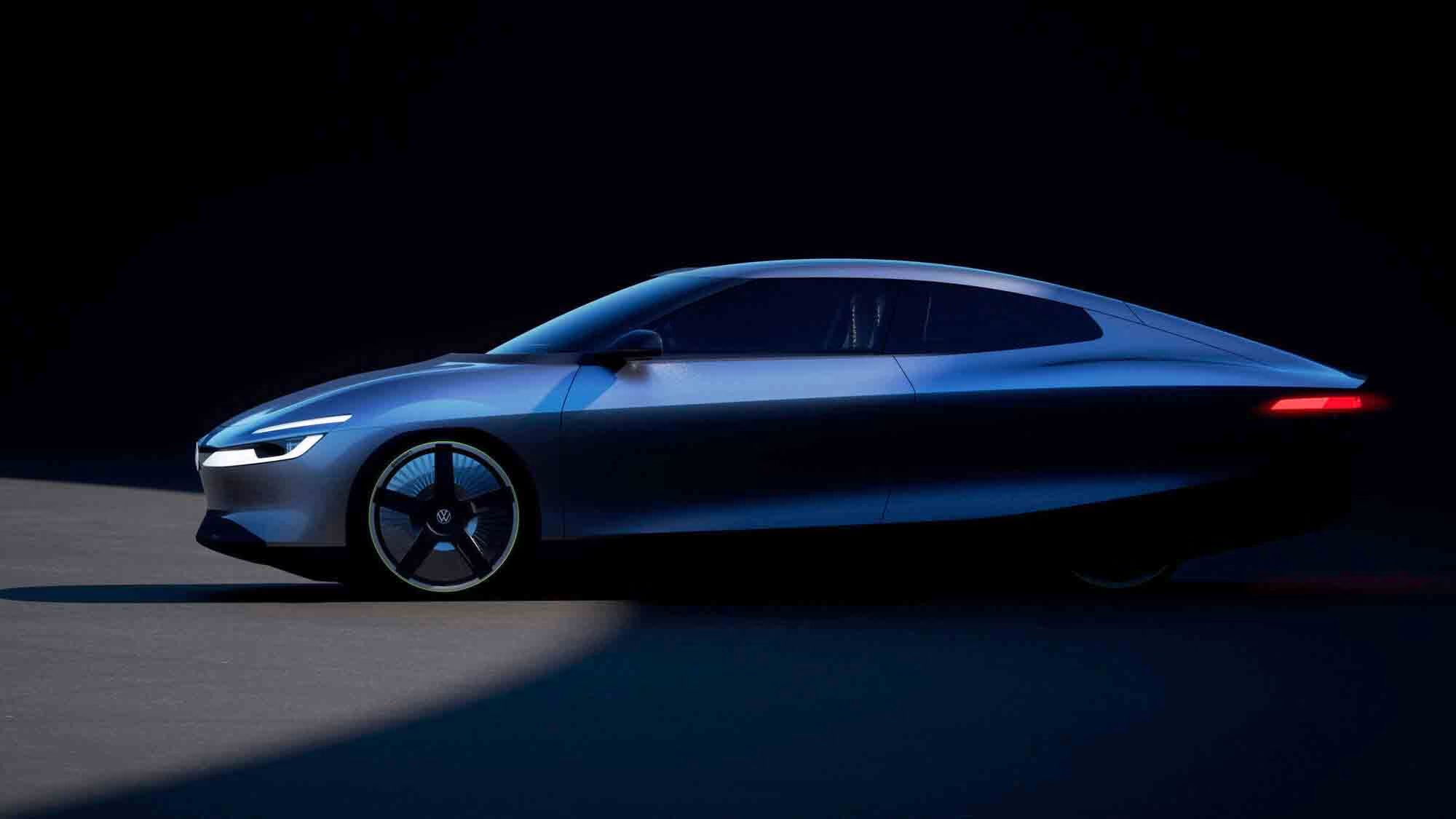
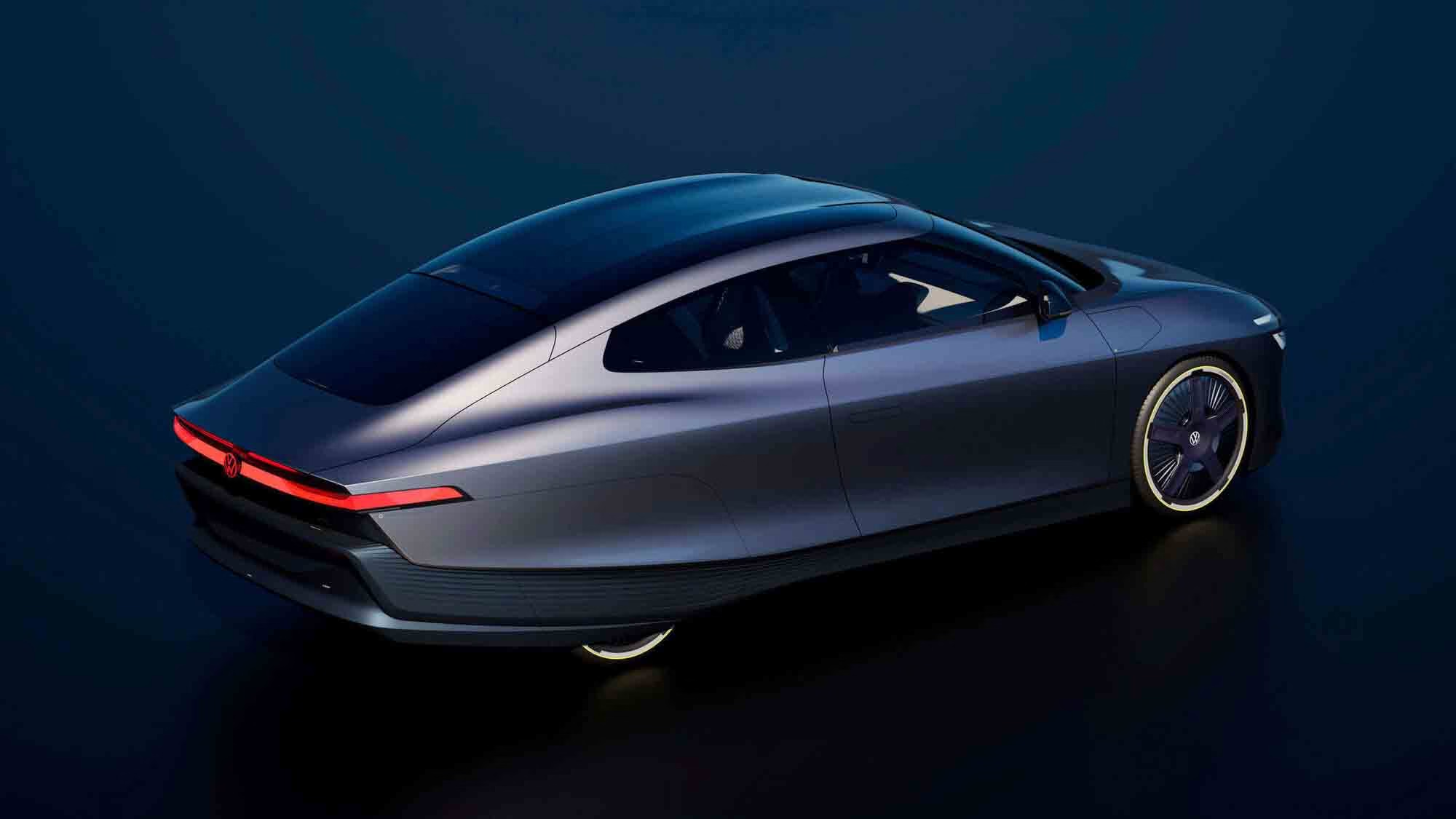
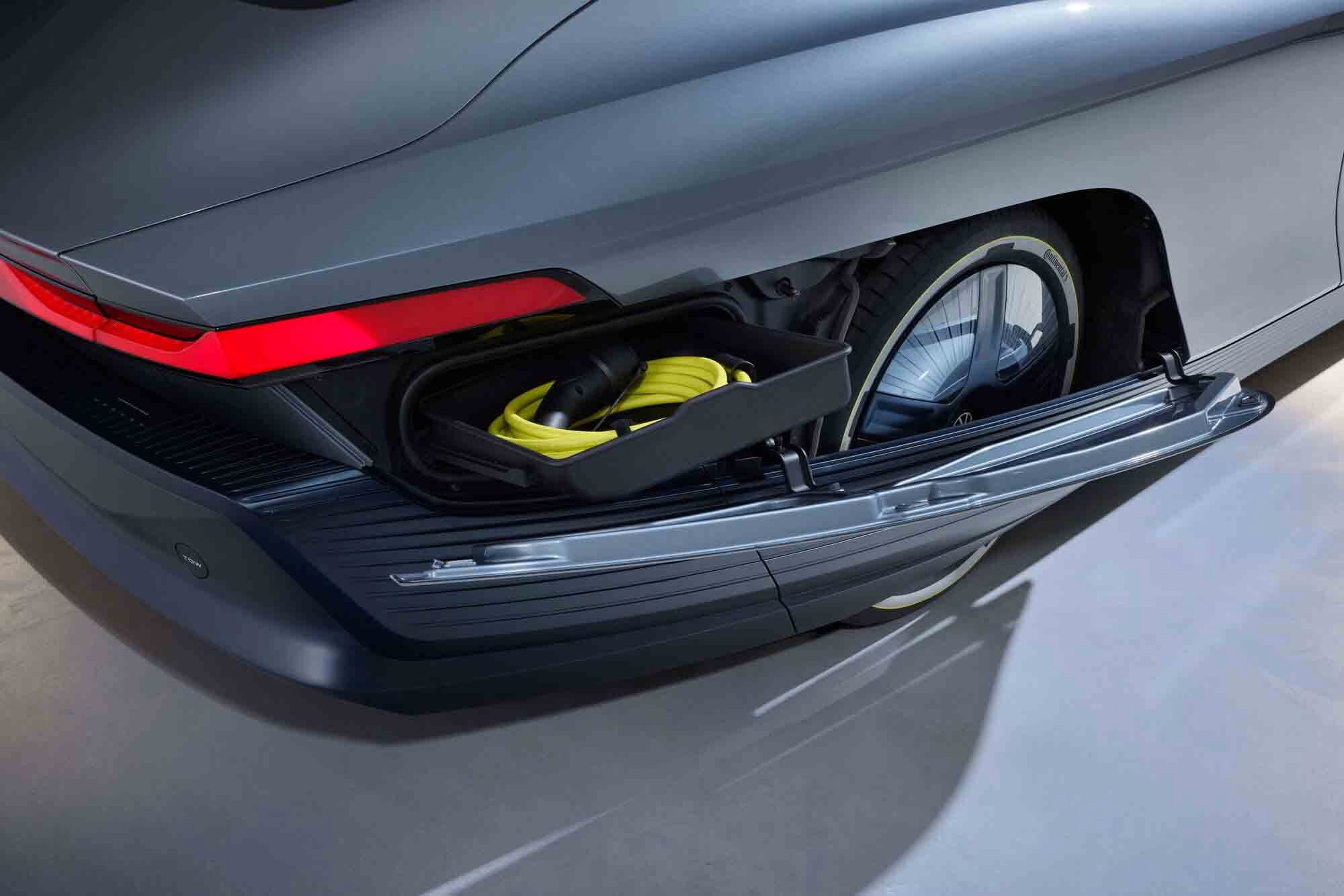
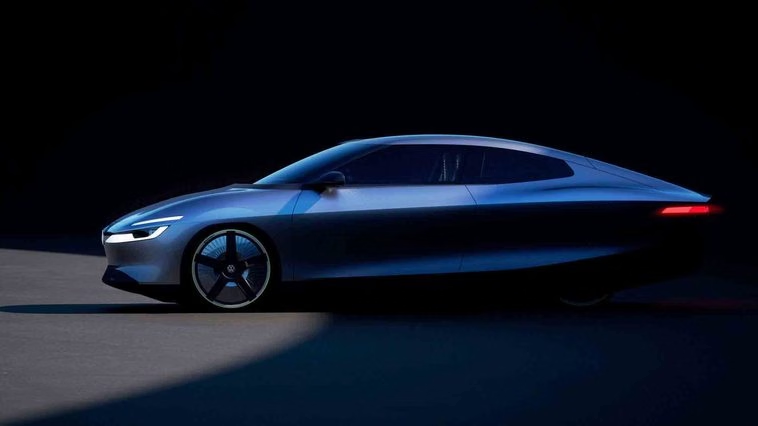
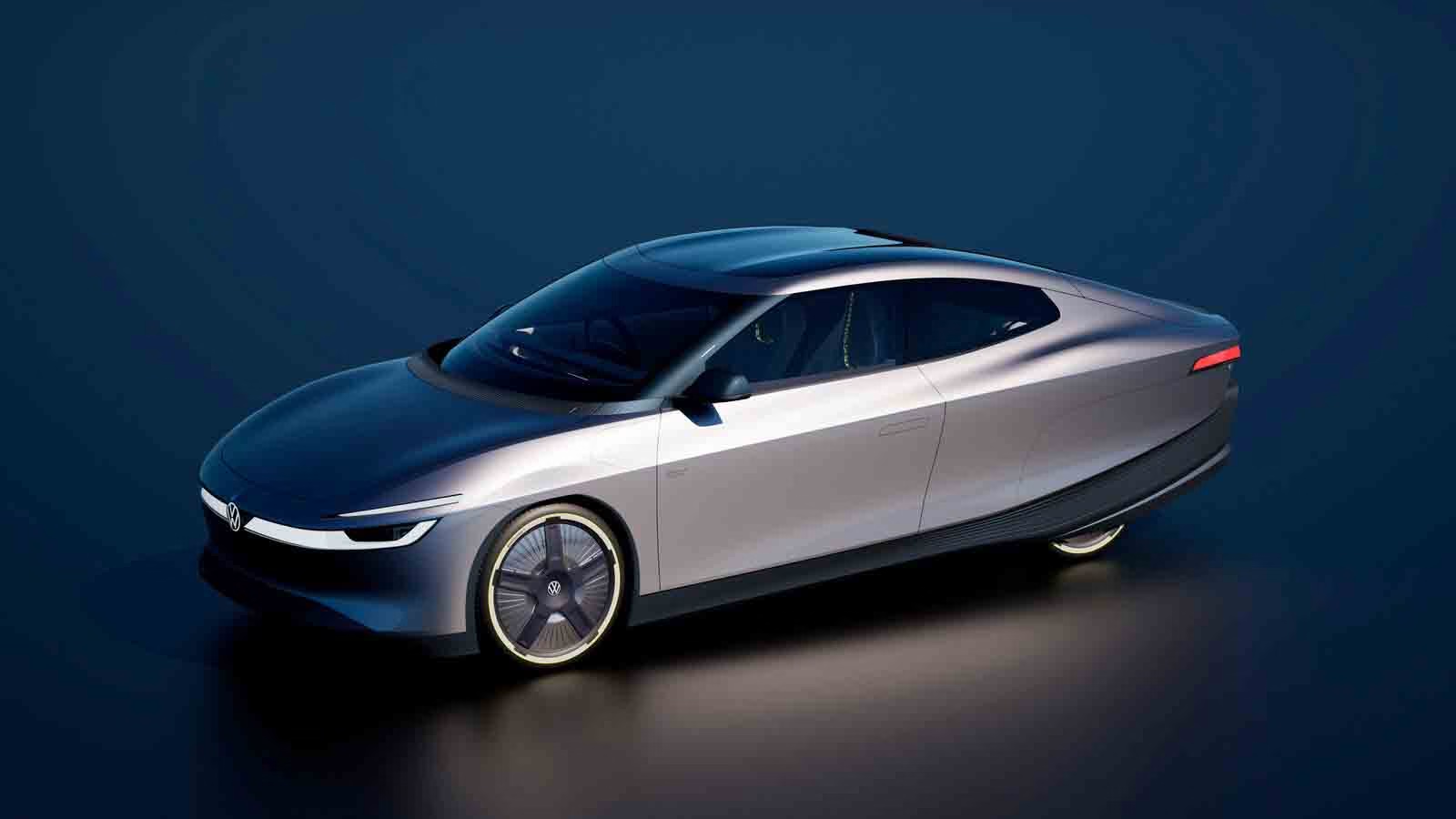
With a drag coefficient of 0.158, Volkswagen claims Mission Efficiency has established a new benchmark among road-approved vehicles. The body tapers dramatically toward the rear, the rear wheels are enclosed and the underbody is covered, while active cooling flaps only open when the car actually needs additional airflow.
At speeds above 80 km/h, Volkswagen says the prototype consumes more than 30 percent less energy than the production ID. Polo. At 140 km/h, it apparently requires roughly as much energy as the Polo does at 100 km/h.
There are clever details elsewhere.
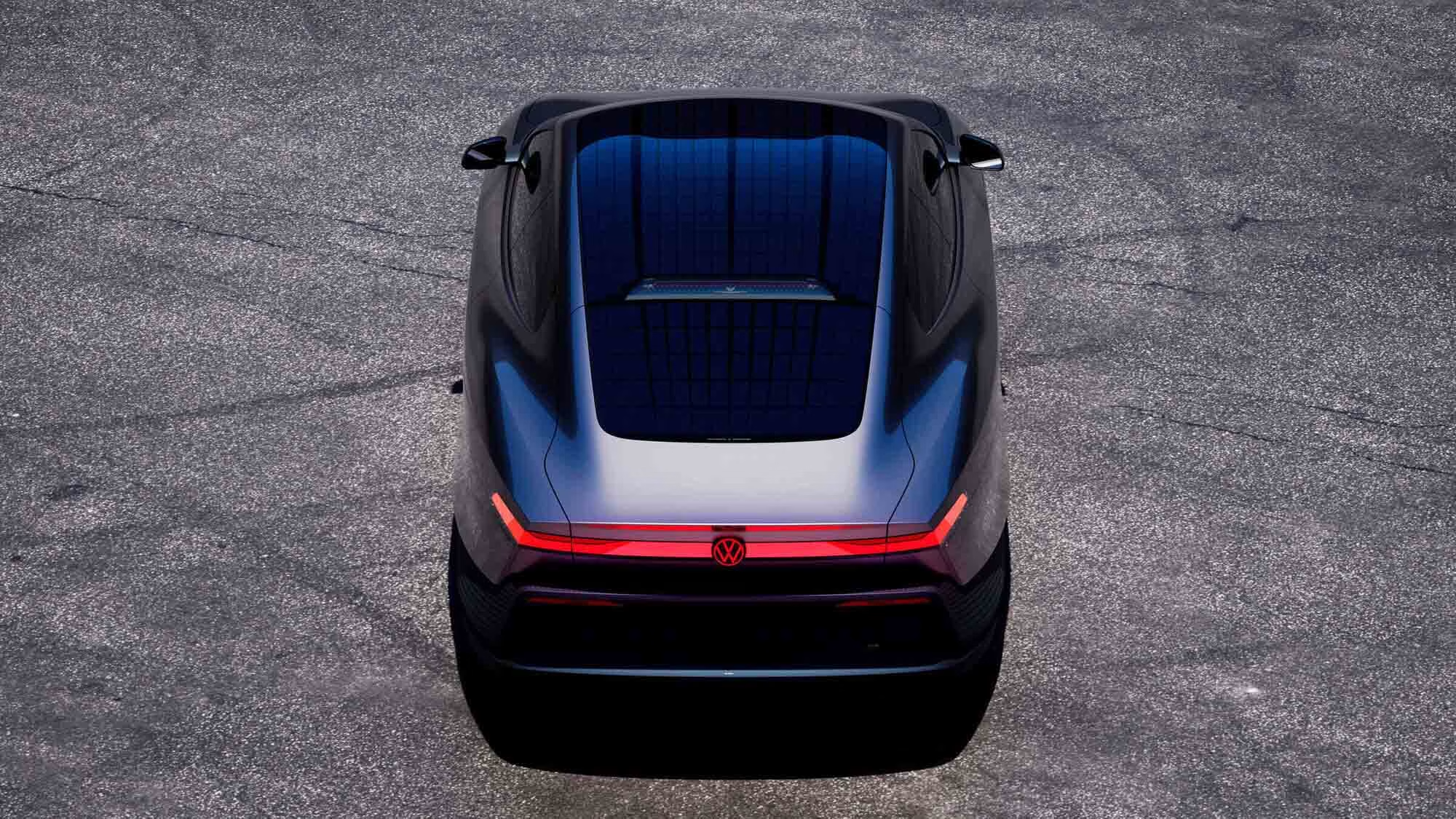
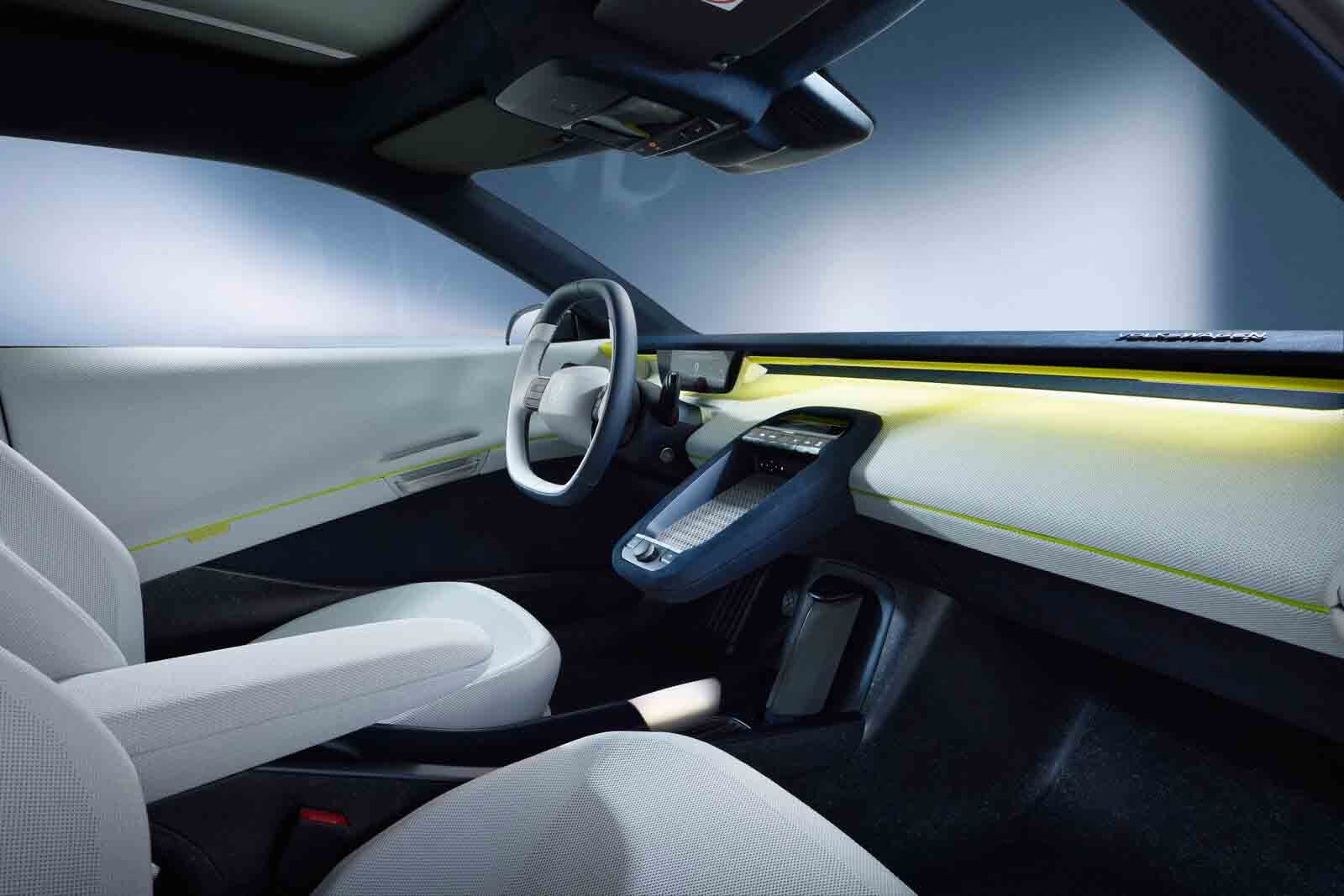
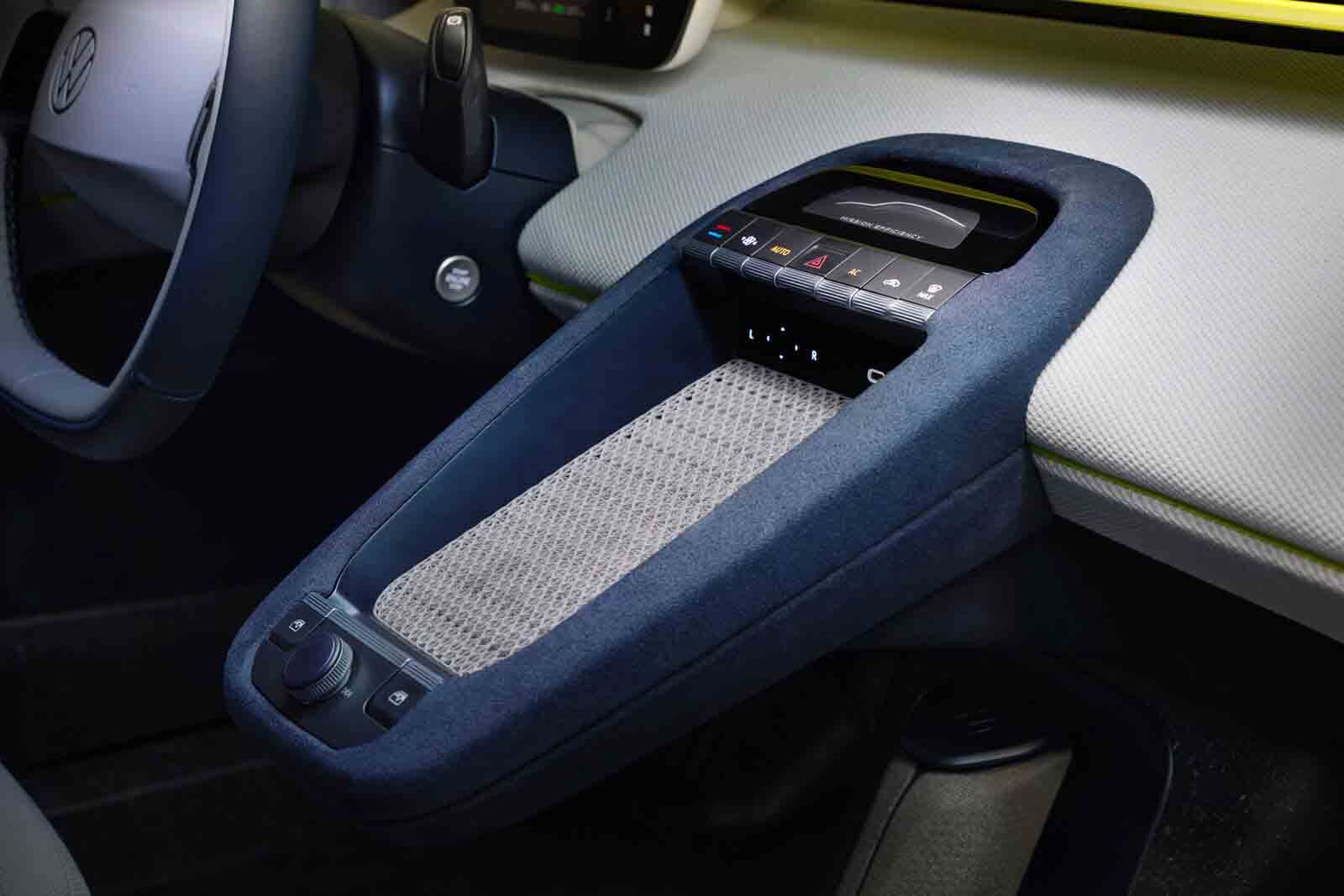
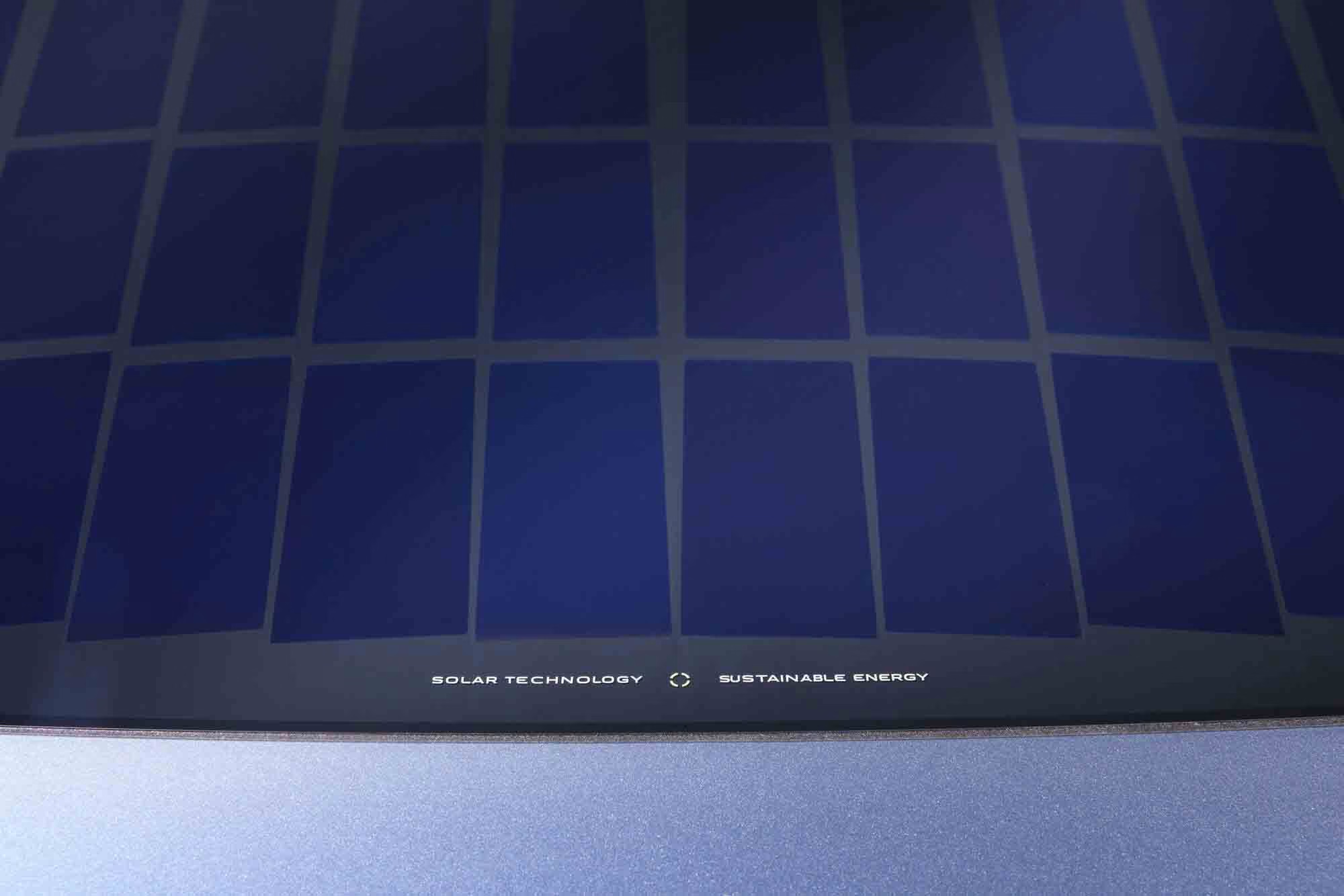
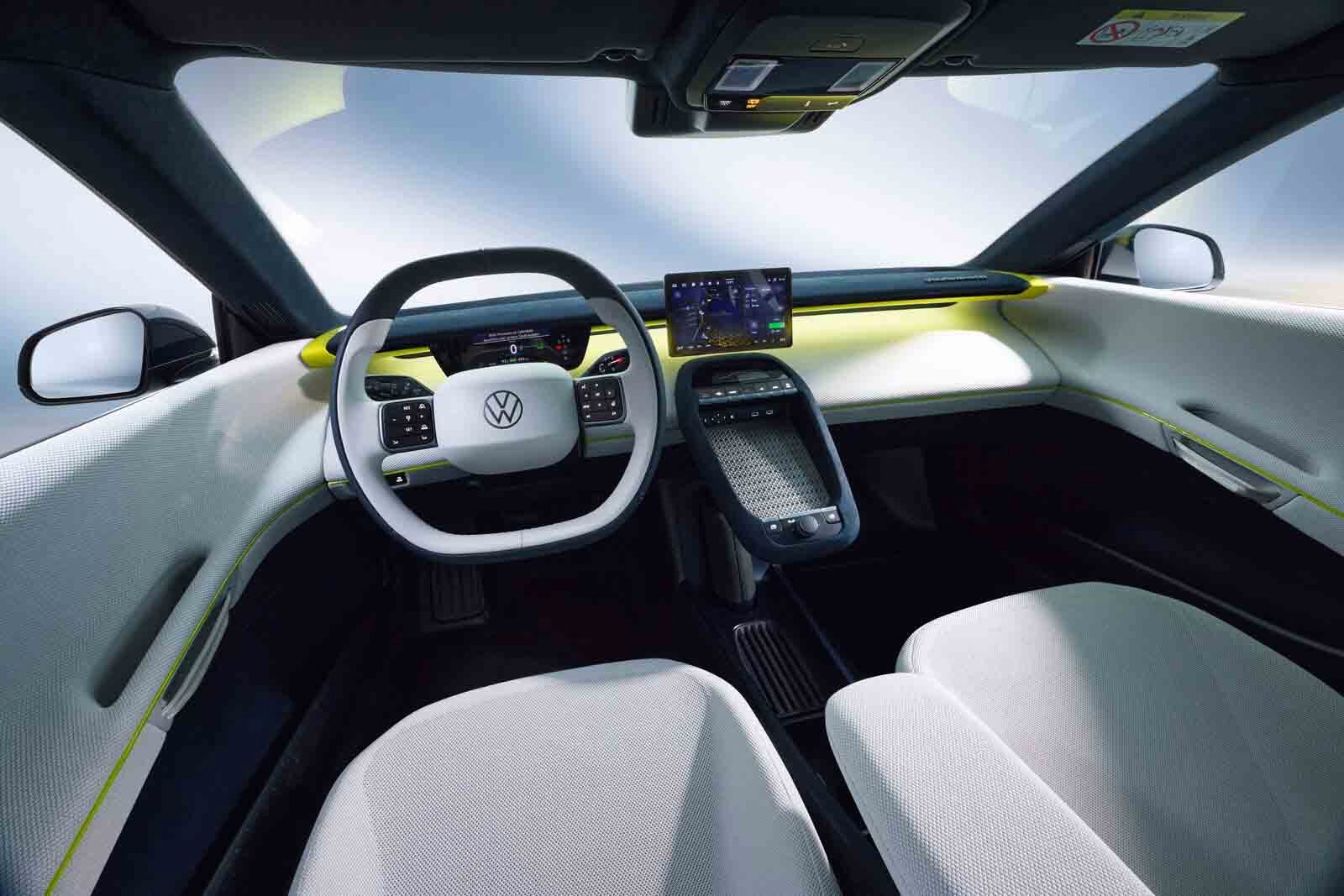
A 370-watt photovoltaic system integrated into the roof and rear section powers auxiliary electrical systems and can, under suitable conditions, contribute the equivalent of up to 30 kilometers of additional range per day. Volkswagen even removed the conventional infotainment screen. Drivers instead attach their own smartphone or tablet, saving weight and avoiding another permanently installed electronic component.
The prototype isn’t completely impractical either.
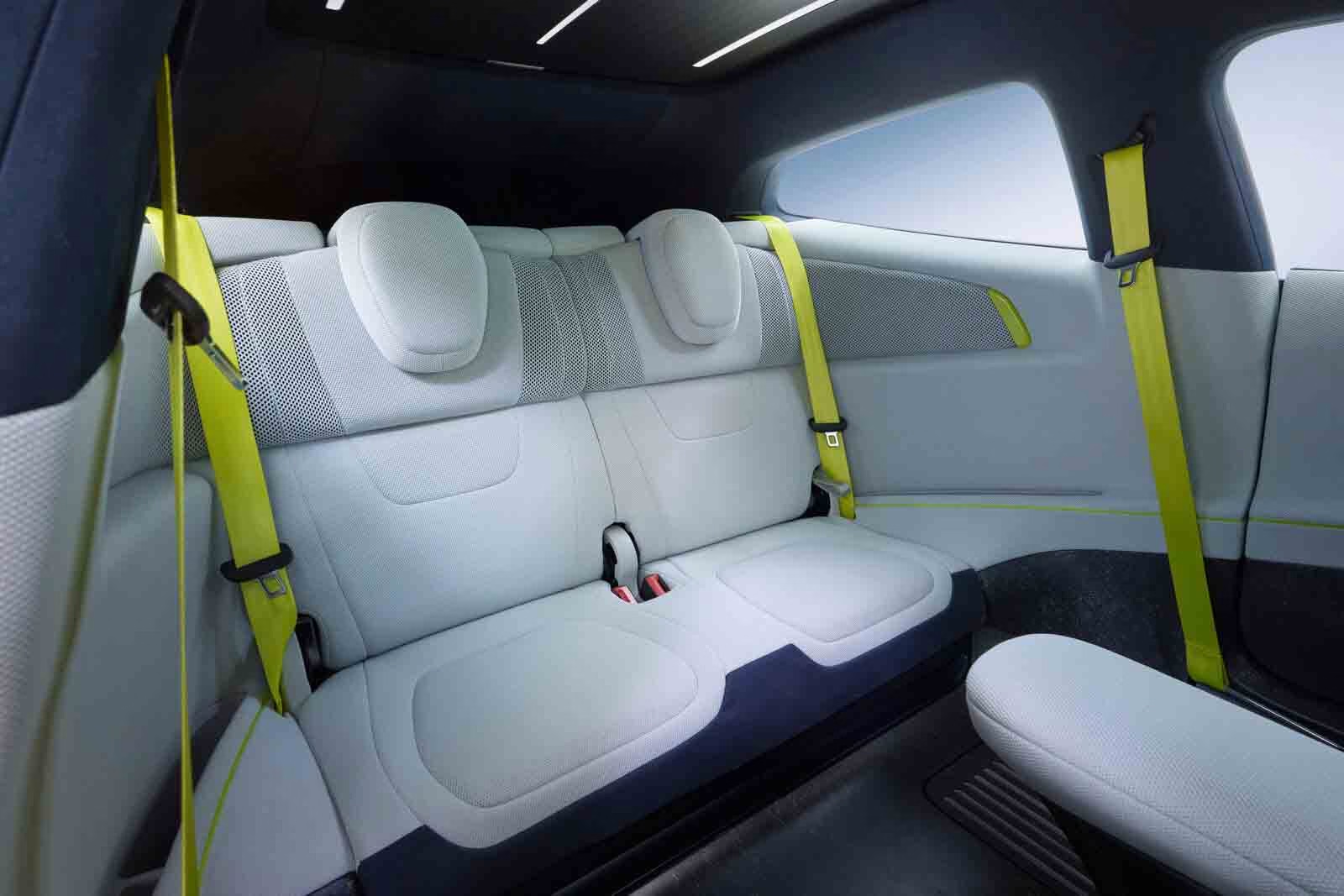
It has four seats, although the rear pair are intended for occupants up to around 1.60 meters tall, plus a surprisingly useful 481-liter luggage compartment. The body is 4.78 meters long but only 1.39 meters high, giving it proportions closer to an aerodynamic GT than another electric crossover.
None of this means Volkswagen is about to sell Mission Efficiency.
It is officially a concept vehicle, and expensive lightweight materials such as carbon-fiber-reinforced composites make some of its solutions unrealistic for an affordable production EV.
But that isn’t really the point.
A 100-kWh battery can produce impressive range figures, but it also adds weight, cost and raw materials. Volkswagen is demonstrating another route: make the car require dramatically less electricity in the first place.
The industry has spent years asking how much battery an EV can carry. Mission Efficiency asks the more interesting question: how little battery can it get away with?